
Review · DANISH DESIGN & ARCHITECTURE IN COPENHAGEN
Urban Design and Livability E-bike Tour
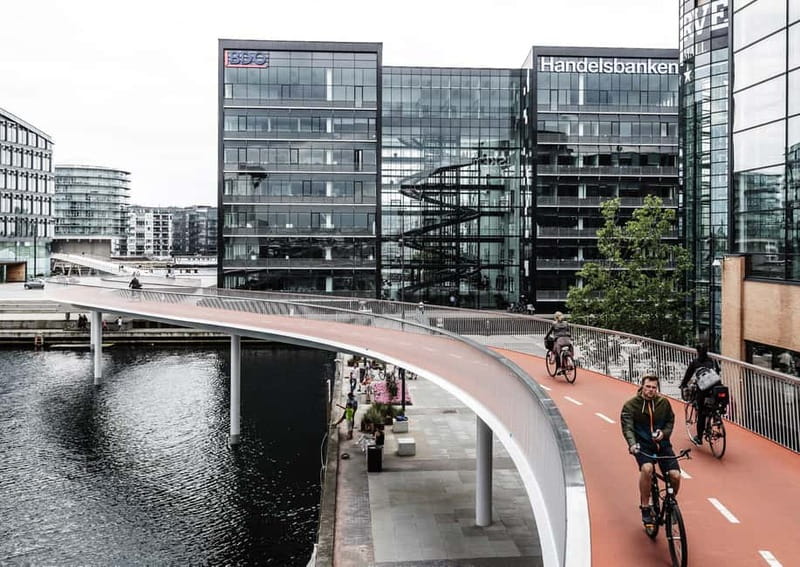
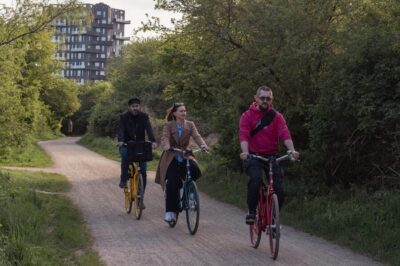
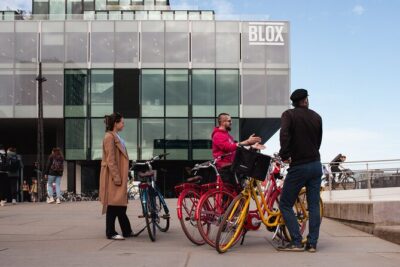
See how Copenhagen works from street level. This three-hour e-bike tour links grand waterfront buildings, former industrial districts, public swimming areas, food halls, and unusual community spaces. I like the small advertised group size of 10 and the way the route shows more than postcard Copenhagen. I also like that guides such as Basha, Mood, Luke, Pasha, Alex, and Rafael bring their own stories and local knowledge to the ride.
The main tradeoff is the amount of cycling. The electric bikes make the distance more comfortable, but this is still an active tour, not a sightseeing bus with occasional photo stops. The brief 10-minute pauses at each location also mean you get a broad look rather than a long visit inside any one place.
In This Review
- Key points to know before booking
- Why this route gives you more than the usual postcard view
- Starting beside the Opera House
- CopenHill, where a recycling plant becomes recreation
- Christiania and a different idea of city life
- Islands Brygge and the harbor made useful
- The Meatpacking District’s food and art connection
- City Hall Square and Copenhagen’s public center
- TorvehallerneKBH for a taste of Copenhagen’s food culture
- Nyhavn, the famous canal with a working past
- Ofelia Plads and the city’s man-made beach
- The Playhouse and sustainable Danish design
- What the guides add to the ride
- How much cycling should you expect?
- Is $78.10 a fair price?
- Who should book this e-bike tour?
- Final verdict: a smart way to get your bearings
- FAQ
- Where does the Urban Design and Livability E-bike Tour start?
- What time does the tour begin?
- How long does the tour last?
- Where does the tour end?
- Is the tour offered in English?
- Is an e-bike included?
- Is a helmet provided?
- Are food and drinks included?
- What happens if the weather is poor?
Key points to know before booking
- Ten very different Copenhagen stops: You move from the Opera House and Nyhavn to Christiania, CopenHill, the Meatpacking District, and modern public spaces.
- Urban design is the real theme: The tour explains how former industrial areas became places to live, swim, eat, work, and gather.
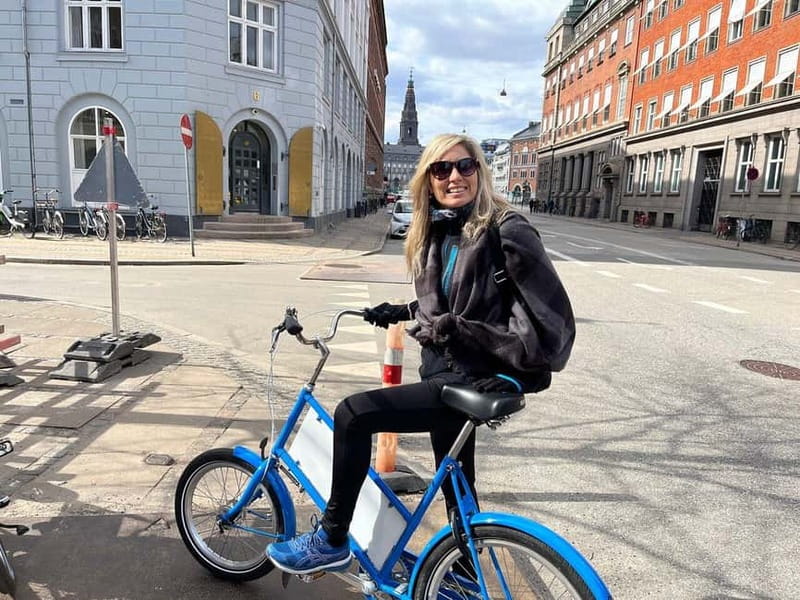
- E-bikes cover a lot of ground: The motor assistance helps, but you should still feel comfortable riding for much of three hours.
- English-speaking, in-person guidance: Guide quality is a major part of the experience, with especially warm praise for Basha, Mood, Luke, Pasha, Alex, and Rafael.
- Food is not included: You can buy food and drinks before or during the ride, but the tour price covers the bicycle and guide, not lunch.
- Good first-day choice: The route gives you a useful sense of several neighborhoods and ideas for the rest of your Copenhagen stay.
Why this route gives you more than the usual postcard view
Copenhagen is easy to admire from Nyhavn, the Royal Palaces, and Tivoli Gardens. This ride asks a more useful question: why does the city feel so livable?
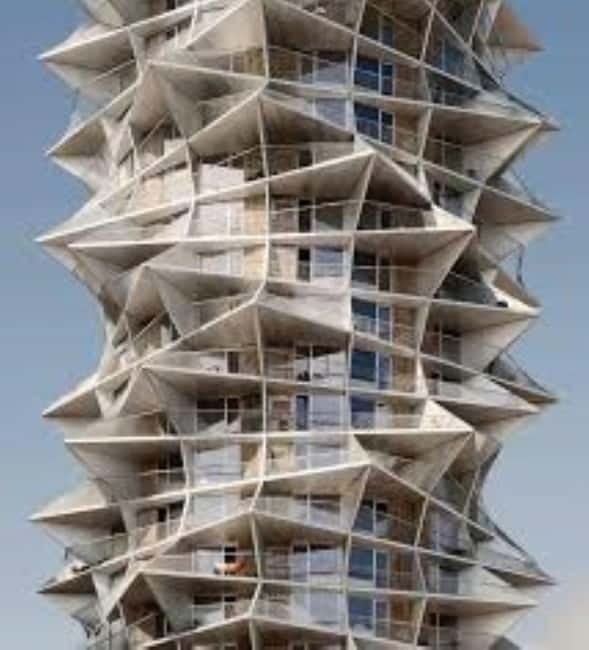
You see how the waterfront has changed, how old working districts found new purposes, and how public spaces are designed for everyday use. A former butcher’s quarter becomes a dining and arts district. An industrial site becomes CopenHill, with recreation built onto a recycling plant. A disused harbor area becomes a place for green space and swimming.
That makes the tour a good fit if you want to understand Copenhagen rather than simply collect photographs. The route also gives you a quick look at areas you might not reach on foot during a short stay.
The tour begins at 11:00 a.m. at Holbergsgade 12 in central Copenhagen and returns there after about three hours. It is offered in English, includes an e-bike, and provides a licensed or certified guide. A helmet is available but optional.
More design and architecture walks:
- Copenhagen: Guided Architecture and Sustainability Tour
★ 4.8 · 73 reviews - Copenhagen Architecture and Sustainability Tour with local Guide
★ 5.0 · 39 reviews - Urban Design and Livability E-bike Tour
★ 4.8 · 21 reviews
Starting beside the Opera House
The Copenhagen Opera House is a fitting first stop. Its modern form helps explain the city’s role as a cultural harbor, and its waterfront setting gives you an immediate example of how Copenhagen has invested in public-facing architecture.
You get about 10 minutes here, so expect an introduction and a chance to look at the building rather than a performance venue visit. The admission is free because no inside ticket is part of the stop.
This short pause sets the tone. The tour is less about entering attractions and more about reading the city around you. You look at buildings, public spaces, and how people use them.
CopenHill, where a recycling plant becomes recreation
CopenHill is one of the route’s most unusual sights. This futuristic recycling plant includes a ski slope, running track, climbing wall, and cafe. It is a clever example of Copenhagen’s interest in combining infrastructure with leisure.
The point is not simply that the building looks striking. It shows how a necessary industrial function can be made visible and useful to the public. Instead of hiding the plant away, the design gives people a reason to visit.
The stop lasts around 10 minutes. That is enough to understand the idea and see the structure, but not enough for skiing, climbing, or a cafe break. If CopenHill interests you, treat this as a preview and plan a separate visit only if your schedule allows.
Christiania and a different idea of city life
Christiania introduces a side of Copenhagen built around individual freedom, artistic expression, and alternative community life. It is unlike the polished waterfront architecture seen earlier, which is exactly why it belongs on this route.
You have roughly 10 minutes here. That short time provides a glimpse rather than a full exploration of the community. The guide can help place Christiania within the wider story of Copenhagen, but you should not expect a long walking visit or an extensive tour of every corner.
For me, this is one of the strongest reasons to choose this experience over a standard city ride. The route does not present Copenhagen as one tidy design success. It includes a place shaped by different rules, values, and ideas about how people can live together.
More rides around Copenhagen:
- Copenhagen: Highlights 3 Hour Bike Tour with a Local Guide
★ 4.8 · 2,312 reviews - Copenhagen Highlights 3 Hour Bike Tour with local Guide
★ 5.0 · 1,125 reviews - 3-hour Copenhagen City Highlights Bike Tour
★ 5.0 · 757 reviews - Copenhagen: 2-hour City Highlights Bike Tour
★ 4.7 · 632 reviews
Islands Brygge and the harbor made useful
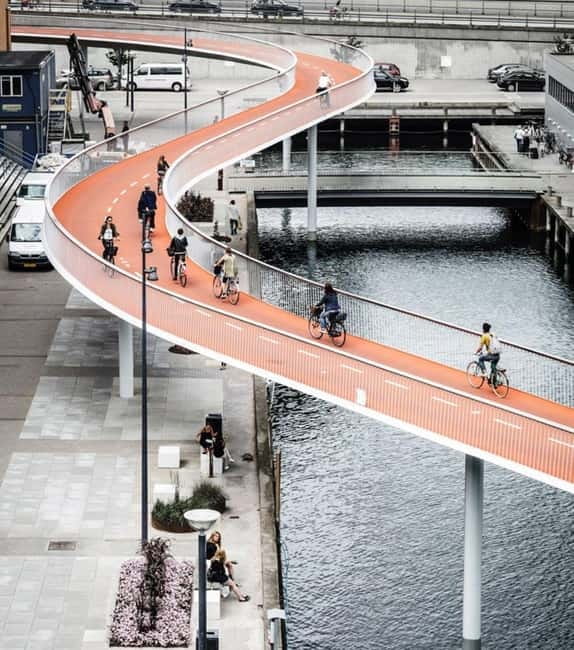
Islands Brygge was once a rundown industrial district. Today it is known for green spaces, swimming areas, and newer architecture. This stop shows urban change in a very practical way.
Rather than treating the harbor as scenery only, Copenhagen has made parts of it useful for daily life. The area gives you a chance to think about public access, recreation, and the changing role of industrial waterfronts.
Again, the scheduled stop is about 10 minutes. You may see the main character of the district, but you will not have time for a swim or a long rest by the water. That is not a flaw if you view the ride as an orientation. It is a limitation if you want to linger at every location.
The Meatpacking District’s food and art connection
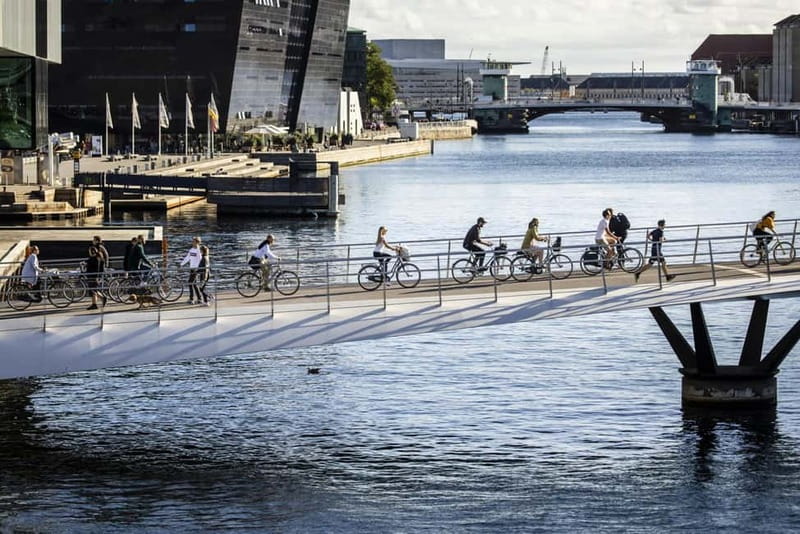
The Meatpacking District was once the city’s butcher quarter. It now mixes artistic energy with restaurants and culinary activity.
This is a useful stop because it connects design with economic change. The buildings and streets are not just attractive backdrops. They show how a working district can gain a new purpose without losing the mark of its original trade.
You get a short look at the area, not a meal. Food and beverages are not included anywhere on the tour, though you can buy them before or during the ride. If you are hungry at 11:00 a.m., eat something before meeting the group or plan to purchase food along the way.
City Hall Square and Copenhagen’s public center
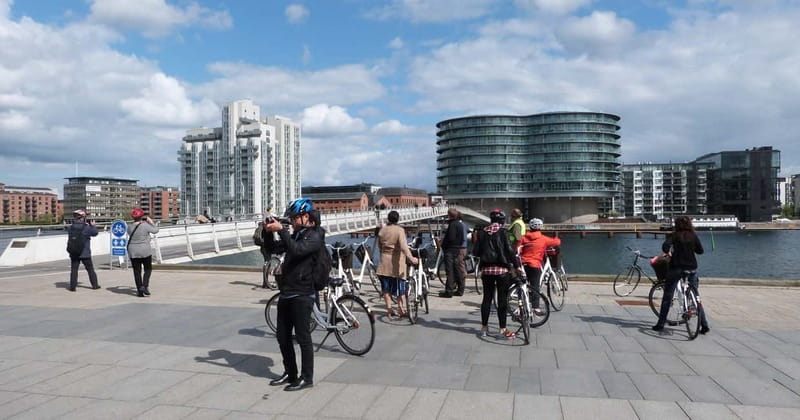
City Hall Square places you beside Copenhagen City Hall and near Tivoli Gardens. It is one of the city’s main public squares and gives the ride a more traditional civic center after the industrial and alternative neighborhoods.
The 10-minute stop lets you take in the scale of the square and the relationship between the city hall, public space, and nearby attractions. It is also a useful orientation point if you are still learning the central city.
You will not enter Tivoli Gardens as part of this experience, and admission to attractions is not included. Think of this stop as a visual introduction to one of Copenhagen’s best-known central areas.
TorvehallerneKBH for a taste of Copenhagen’s food culture
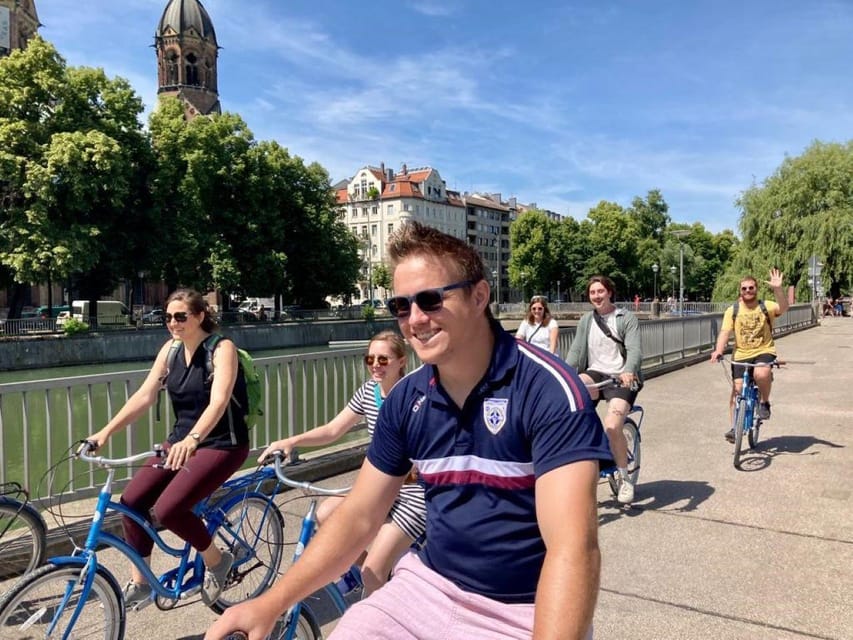
TorvehallerneKBH is a pair of food halls offering Danish and international specialties. It adds an important everyday element to a tour otherwise focused on buildings, public spaces, and neighborhood change.
The food halls show how Copenhagen’s food culture is experienced by locals and visitors alike. You can look at the range of products, note ideas for a later meal, or buy something if timing allows.
The stop is only about 10 minutes, so do not count on a full lunch here. Still, it is a smart inclusion. A city is not only its architecture. What people eat and where they gather tells you plenty about urban life.
Nyhavn, the famous canal with a working past
Nyhavn is the route’s most familiar image: a colorful, roughly 400-year-old canal lined with historic buildings. It remains popular for good reason, with a strong connection to Copenhagen’s maritime past.
The challenge is that Nyhavn can feel familiar from photographs before you arrive. The guide’s role is valuable here because a short explanation can turn a pretty view into a clearer picture of the canal’s place in the city.
You get about 10 minutes, enough for photographs and a quick look. This is not a canal cruise, restaurant stop, or extended history lesson. It is a brief encounter with one of Copenhagen’s essential sights.
Ofelia Plads and the city’s man-made beach
Ofelia Plads offers another example of public space built for more than passing through. This man-made beach in the center of Copenhagen is used for swimming, sunbathing, socializing, and cultural activities.
Its location makes the idea especially interesting. You do not need to leave the city for a waterfront break. The stop helps explain why Copenhagen’s public realm feels connected to the harbor rather than turned away from it.
As with Islands Brygge, you have about 10 minutes. Bring the right expectations: you are seeing the space, not spending an afternoon there. If you want to swim or sunbathe, return on your own later.
The Playhouse and sustainable Danish design
The Royal Playhouse is another waterfront building, but its value on this tour goes beyond theater. It is presented as an example of sustainable Danish design and of Copenhagen’s character as a city open to all.
The building helps tie together several ideas from the ride: public access, culture, modern architecture, and the waterfront as a shared civic space. You can compare it with the Opera House and see how different cultural buildings shape the harbor.
The stop lasts approximately 10 minutes. Admission is not included, and the tour does not promise an interior visit. You are there to understand the building and its place in the city.
What the guides add to the ride
The strongest part of this experience may be the guide. The route covers many subjects, so a good guide has to connect architecture, culture, food, neighborhoods, and daily life without turning the ride into a lecture.
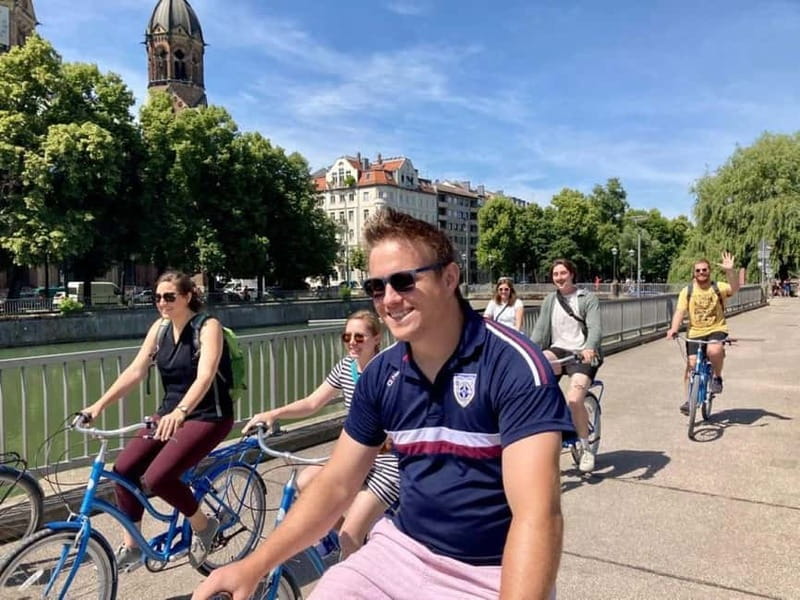
Basha received particularly warm praise for explaining architectural design, urban development, Danish life, and design concepts in a friendly way. Mood was described as entertaining and good at showing neighborhoods that might otherwise remain off your radar. Luke focused on why Copenhagen is such a pleasant place to live, using clear stories rather than only facts.
Pasha was praised for answering questions, offering ideas for the rest of a Copenhagen stay, and keeping the mood light. Alex was noted for giving plenty of information while making time for questions. Rafael, also called Ninja Turtle, was praised for his city and food knowledge and for keeping the group together.
Guide assignments can change, so you should not book on the assumption that one particular person will lead your departure. Still, these names reveal the kind of experience the company aims to provide: personal, social, and tailored through conversation.
One note deserves attention. The published maximum is 10 people, but one account describes a group of 12. If group size is a major factor in your decision, confirm the current number before booking. A small group is especially useful on a bicycle because it is easier to hear the guide and stay together.
How much cycling should you expect?
The tour lasts about three hours and includes 10 stops, each listed at around 10 minutes. The remaining time is spent riding between locations, getting organized, and listening to the guide.
That means you should be comfortable on a bicycle for a substantial part of the morning or afternoon. The electric assistance makes the ride more enjoyable and reduces the effort, but it does not turn the activity into a passive sightseeing trip.
A helmet is optional. Most people can participate, and the meeting point is near public transportation. Since the ride requires good weather, keep a little flexibility in your Copenhagen schedule.
Is $78.10 a fair price?
At $78.10 per person, this is not the cheapest way to see Copenhagen. You can walk through several central areas for free, and public transportation costs less.
The value comes from the bicycle, the guide, the route planning, and the number of neighborhoods covered in three hours. You are paying to connect places that would take more effort to arrange independently, while receiving context about urban design and livability along the way.
I think the price works best for a first or second day in Copenhagen. You get a broad map of the city and can decide which districts deserve a longer return visit. It is less valuable if you already know all 10 stops or prefer to spend an hour at each place.
The 4.8 rating from 18 ratings and a 100 percent recommendation rate point to a consistently positive experience, though the sample is small. The most repeated praise centers on the guides, the small-group feel, the range of neighborhoods, and the way the e-bikes make a long route manageable.
Who should book this e-bike tour?
I would recommend it to you if you want:
- A first-day overview of Copenhagen beyond the standard center
- A practical look at architecture and urban planning
- A social tour with an in-person English-speaking guide
- A way to cover many districts without spending all day walking
- Ideas for restaurants, food halls, swimming areas, and later sightseeing
- An active experience that still provides plenty of guided explanation
You may want to skip it if you dislike cycling, want long visits at major sights, or expect lunch and attraction admission to be included. It also may not suit you if poor weather could disrupt your schedule, since the experience depends on suitable conditions.
Free cancellation is available up to 24 hours before the 11:00 a.m. start time. Changes or cancellations made within 24 hours are not accepted for a refund. If bad weather or too few bookings causes cancellation, you are offered another date or experience, or a full refund.
Final verdict: a smart way to get your bearings
Book this tour if you want to understand why Copenhagen is often praised as a comfortable city to live in, not just a pretty city to photograph. The mix of waterfront culture, former industrial districts, alternative community life, food halls, and public swimming spaces gives you a broader picture than a standard central-city ride.
The short stops are both the strength and the weakness. You see a lot, but you will not settle into any one neighborhood. For most people, that is a fair trade for three hours, an electric bicycle, and a guide who can turn scattered sights into one clear story about Copenhagen.
FAQ
Where does the Urban Design and Livability E-bike Tour start?
The tour starts at Holbergsgade 12, 1057 København, Denmark.
What time does the tour begin?
The listed start time is 11:00 a.m.
How long does the tour last?
The experience lasts approximately three hours.
Where does the tour end?
The ride ends back at the meeting point.
Is the tour offered in English?
Yes. The tour is offered in English with an in-person licensed or certified guide.
Is an e-bike included?
Yes. Use of the bicycle is included in the price.
Is a helmet provided?
Yes. A helmet is available, but wearing one is optional.
Are food and drinks included?
No. Lunch, food, and beverages are not included. You can buy food and drinks before or during the tour.
What happens if the weather is poor?
The experience requires good weather. If it is canceled because of poor weather, you are offered another date or a full refund.
More E-Bikes in Copenhagen
- 2 Hours Copenhagen E-Bike Guided Tours
★ 5.0 · 276 reviews - Copenhagen: Guided E-Bike Tour
★ 4.8 · 141 reviews - E-biking Central Forgotten Giants’ s Adventure
★ 4.5 · 75 reviews - Copenhagen E-Bike Rental
★ 4.7 · 35 reviews
Newest around Copenhagen
- WWII Copenhagen Nyhavn and War Museum Private Walking Tour★ 5.0 · 2 reviews
- Half Day Exploration of Helsingør and Kronborg★ 3.5 · 3 reviews
- Helsingør Castle and Historic City Self-Guided Walking Tour★ 4.0 · 4 reviews
- Full-Day Tour; Castle, Palace & Cathedral, Winter(JAN-MAR)★ 5.0 · 11 reviews
- walking tour – Copenhagen and Christiansborg 3 hours★ 4.0 · 7 reviews
- Copenhagen Walking Tour with Food Testing (smorrebrod dish & snap)★ 4.5 · 10 reviews
- The Philosopher’s Last Walk: An audio tour on the life of Søren Kierkegaard★ 4.5 · 5 reviews
- The Forgotten Giants Private Tour★ 5.0 · 3 reviews
Danish Design & Architecture, compared.
Copenhagen Architecture and Sustainability Tour with local Guide
Read our review →
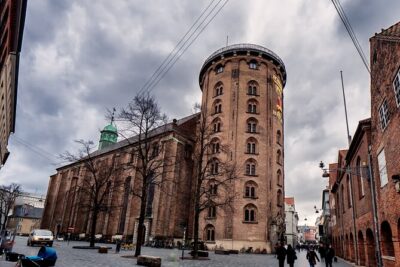
Copenhagen City, Old Town, Nyhavn, Architecture Walking Tour
Read our review →
Danish Design Classic and Modern Style Self-Guided Audio Tour
Read our review →Copenhagen City, Old Town, Nyhavn, Architecture Walking Tour
Read our review →Browse the lists this tour appears in