
Review · MUSEUMS IN COPENHAGEN
Copenhagen: National Museum of Denmark Entry Ticket
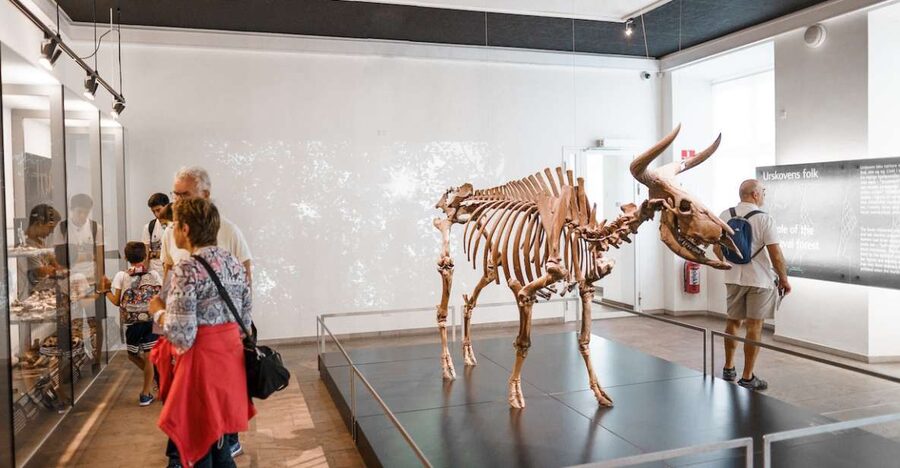
Fourteen thousand years fit inside these walls. Copenhagen’s National Museum brings Denmark’s story together, from Stone Age tools and Bronze Age treasures to Viking expeditions and modern life. I like the Viking Sorceress exhibition for its rare objects and dramatic look at Norse belief, and I like the freedom to explore without being tied to a guide or fixed schedule.
The catch is size. You can see the main sights in two or three hours, but four to five hours is more realistic if you want to read labels and cover several floors. The layout can also feel confusing, and the toilets may be busy at peak times.
In This Review
- Key points to know before you go
- Entering Copenhagen’s National Museum
- Start with the oldest Denmark
- Bronze Age treasures worth slowing down for
- The Viking Sorceress and the Völva
- Vikings, explorers, and Denmark beyond the saga
- Royal culture and the palace-like setting
- A self-guided visit that needs a plan
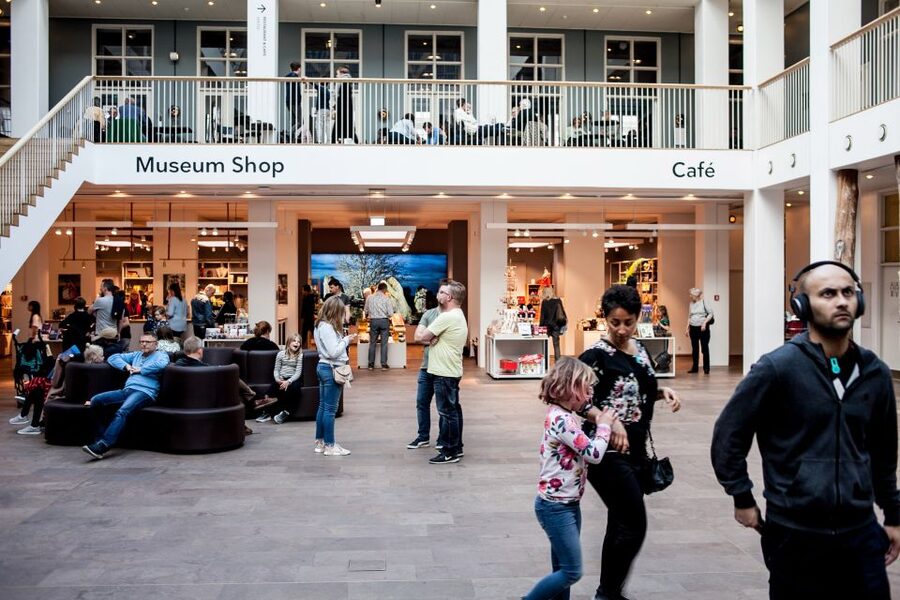
- Cafe, shop, lockers, and practical comfort
- Is the $21 ticket good value?
- Who should book this museum visit?
- Final verdict: book it if you want the full Danish story
- FAQ
- How much does admission to the National Museum of Denmark cost?
- How long is the ticket valid?
- Where do I show my ticket?
- What does the ticket include?
- Can I cancel the booking?
- Can I reserve now and pay later?
- Is the museum wheelchair accessible?
Key points to know before you go
- See 14,000 years of Danish history: The collection moves from Stone Age remains through the Bronze Age, Viking Age, royal Denmark, and later society.
- Make time for Viking Sorceress: This special exhibition examines the Völva, a powerful female seer connected with Viking religion and prophecy.
- Expect famous Danish objects: Bronze Age lurs, the Sun Chariot, Viking material, helmets, and older remains are among the major draws.
- Plan at least three hours: A quick visit is possible, but the museum rewards a slower half-day visit.
- Use the self-guided format to your advantage: You can focus on the rooms that interest you instead of following a fixed group route.
- Take a break at the cafe: The cafe and museum shop receive especially warm praise, adding useful breathing space to a long visit.
Entering Copenhagen’s National Museum
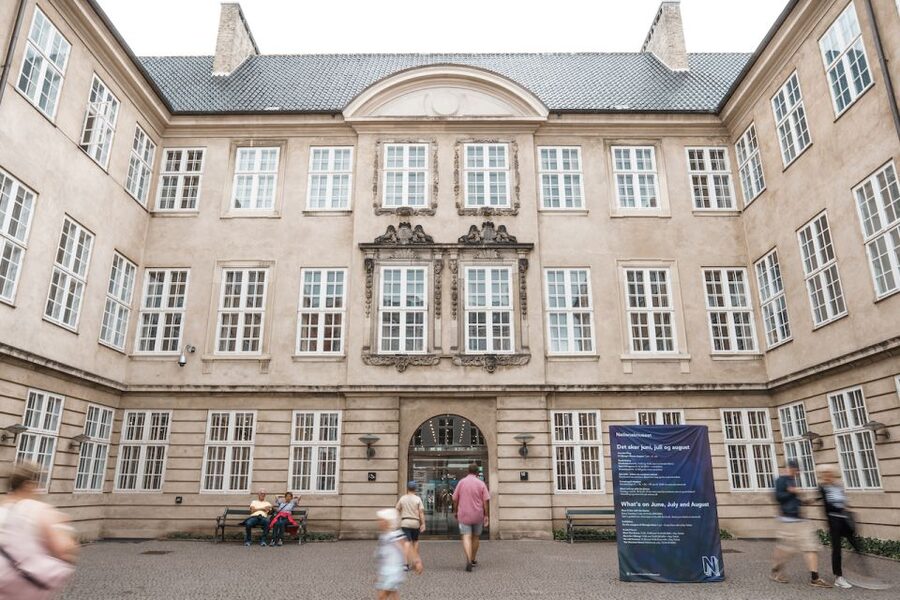
The National Museum of Denmark is in the heart of Copenhagen, and you show your voucher at the museum’s ticketing desk. The admission costs about $21 per person and is valid for 365 days, which is unusually flexible for a museum ticket.
That long validity matters if your Copenhagen plans are still shifting. You do not need to force the museum into your first afternoon, and you could return during a longer stay if you want another look at a favorite gallery. The ticket covers entry, not a guided tour, meal, or special service beyond the museum visit itself.
The museum occupies a large building with spacious rooms and many connected galleries. You may find lockers, a cloakroom, an area for children, toilets, a cafe, and a gift shop. Wheelchair access is available.
Because there is no single compulsory route, take a moment to look at the museum map or orientation material before setting off. The building’s many adjoining rooms can make it easy to lose your sense of direction. I would rather spend five minutes planning than discover near closing time that I missed an entire floor.
Other museums worth the ticket in Copenhagen:
- Exhibition – Home of Carlsberg
★ 4.5 · 281 reviews - Copenhagen: MACA Museum: Banksy & Street Art Entry Ticket
★ 4.5 · 142 reviews - Copenhagen: Danish War Museum Entry Ticket
★ 4.7 · 106 reviews
Start with the oldest Denmark
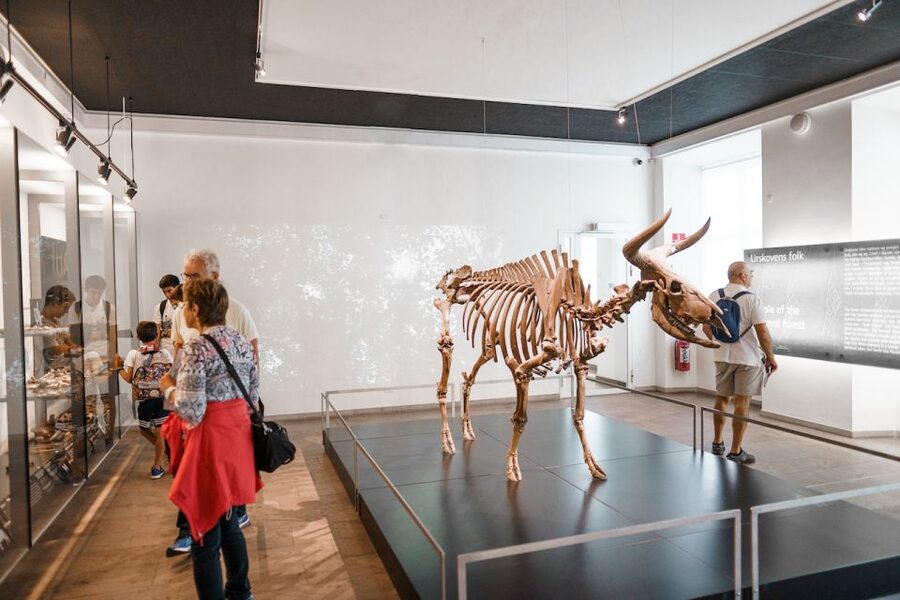
The earliest galleries take you far beyond the familiar Viking image of Denmark. Stone Age remains and objects show how people lived thousands of years before written records. These displays give you a useful base for understanding the country as a place shaped by long cycles of movement, belief, work, and survival.
You can also see objects dating back around 6,000 years. They are not flashy in the modern sense, but that is part of their power. A small tool or fragment can bring you closer to ordinary people who left no written account of their lives.
This section suits you if you enjoy archaeology and gradual change. It may be less appealing if you want only the famous Viking displays, so use the early rooms as context rather than trying to inspect every label. The museum contains a great deal of information, and reading everything from the first case onward can drain your energy before you reach the headline exhibits.
The displays cover Danish society across the ages, not just warfare and rulers. That wider view is valuable because it shows how daily life, technology, religion, and social order changed together.
Bronze Age treasures worth slowing down for
The Bronze Age section contains some of the museum’s most memorable objects. The curved bronze lurs are a particular highlight. Their shape is instantly striking, and they help explain why Denmark’s prehistoric collection is important even to people who do not normally seek out archaeology museums.
The Sun Chariot is another major object to look for. It connects Bronze Age craftsmanship with ideas about the sun and the movement of the heavens. The helmets and other Bronze Age pieces add to the sense that these communities had sophisticated artistic and religious traditions.
You should not rush through these cases simply because they come before the Vikings. The Bronze Age material provides one of the clearest examples of how the museum turns objects into a story. You see not only what people made, but also clues about what they valued and believed.
This part of the museum can be especially good for first-time visitors to Denmark. It gives you a national story that begins long before castles, Christianity, or the Danish monarchy. If you have children with you, the sheer age of the objects may catch their attention, though the museum’s large amount of material can also feel overwhelming for younger visitors.
The Viking Sorceress and the Völva
The Viking Sorceress exhibition is the museum’s most talked-about experience. It focuses on the Völva, a female seer or sorceress associated with prophecy, ritual, and the unseen world of the Viking Age.
The exhibition presents the Völva within the beliefs of her own time. That is more interesting than treating her as a simple fantasy character. You get a look at the complicated relationship between Viking communities, destiny, magic, and the future. Scenes and references from the Eddas and sagas help place the objects within the wider Norse story.
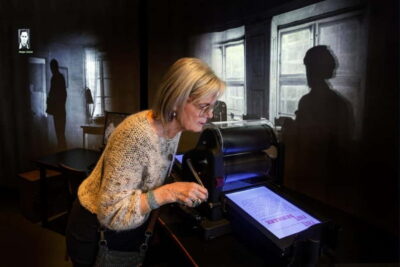
The displays include items linked to Viking sorceresses from more than 1,000 years ago. The exhibition also uses atmospheric scenes and interactive elements, which make it more accessible than a row of cases with long blocks of text. If you want a modern presentation, this is likely to be your favorite part.
The audio material may not satisfy everyone. Some visitors found the audio for the Viking sorceress section less effective than the exhibition itself. I would treat it as an optional aid rather than the main reason to visit.
The special exhibition is a strong choice for anyone interested in Norse mythology, but it is also useful for visitors who know little about Viking religion. It moves beyond the usual image of Viking ships and battles, giving attention to belief, ritual, and women’s roles.
Check the current availability of this exhibition when planning your visit. Some special displays have limited runs, even though the general museum admission is valid for a year.
A few more Copenhagen outings worth comparing
- Copenhagen Card-Discover: 80+ Attractions & Public Transport
★ 4.6 · 5,351 reviews - Copenhagen: Hop-On Hop-Off Bus Tour with Boat Tour Option
★ 3.9 · 4,122 reviews - Private Walking Grand Tour of Copenhagen
★ 5.0 · 3,953 reviews - From Copenhagen: Lund and Malmö 2-Country Tour
★ 4.7 · 3,807 reviews
Vikings, explorers, and Denmark beyond the saga
The broader Viking displays show Denmark’s connection to the sea and to distant parts of the world. The museum presents the Vikings as sailors, raiders, settlers, and explorers who traveled to remote places.
That broader picture is worth keeping in mind. The Viking Age was not only about dramatic combat. It was also about navigation, trade, migration, technology, and contact between cultures. The National Museum uses its objects to make those links visible.
Danish explorers appear in the wider story too. Their curiosity about unknown places connects the Viking voyages with later traditions of seafaring and discovery. You can see how a small country developed a strong relationship with the sea, both through necessity and ambition.
If your main goal is Viking history, head here early in your visit while your attention is fresh. It is easy to spend longer than expected in the Viking rooms, especially if you stop for every object and label.
Royal culture and the palace-like setting
The museum also gives you a taste of royal Denmark and the country’s more formal past. The setting itself has a grand, palace-like feel, which helps create a contrast with the rougher Stone Age and Viking material.
This mix is one reason the museum works well for groups with different interests. One person can focus on archaeology, another on royal culture, and another on social history. You are not restricted to one narrow subject.
The museum is not an art museum in the traditional sense. Fine art is housed in separate Copenhagen museums, so you should not come here expecting a collection centered on paintings. The National Museum is more concerned with objects, people, customs, and historical change.
That distinction matters when you compare it with other Copenhagen sights. If you have only a short city break, you may decide that Christiansborg, the city’s art museums, or another major attraction comes first. The National Museum is strongest when you want to understand Denmark as a country, not simply admire beautiful interiors.
A self-guided visit that needs a plan
You can explore at your own pace, which is one of the ticket’s best features. There is no need to wait for a group, and you can leave a gallery when your concentration fades. A highlight audio tour is also available according to the visit information, and free docent tours have been offered at the museum.
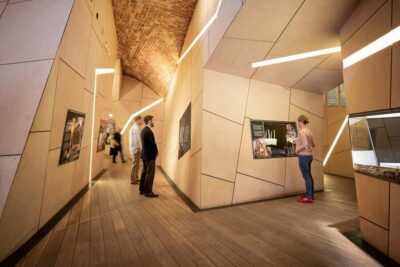
The freedom comes with a small cost: you have to manage your own route. Several rooms connect to one another, and the flow is not always obvious. A first-time visit can feel a little like following a historical maze.
I suggest choosing three priorities before you enter:
- The Viking Sorceress exhibition
- The Bronze Age objects, especially the lurs and Sun Chariot
- The Viking and explorer displays
Then add the Stone Age, royal, and social history sections if time and energy allow. This approach keeps the museum from becoming a race through endless cases.
A quick visit of two to three hours can work if you focus on the main attractions. Four hours gives you a more comfortable pace. Five hours is possible for serious museum fans, but your feet may complain long before the history does. One visitor spent five hours and still had to hurry through a floor before closing, so give yourself more time than you think you need if the museum is a central part of your day.
Cafe, shop, lockers, and practical comfort
The cafe is a real asset. It gives you a place to sit during a long visit, and it offers enough choice for more than a quick coffee. Several people singled out the food, atmosphere, and general quality, so I would plan a break here rather than leaving the museum just as your attention begins to fade.
The gift shop is also tempting. It has Viking and history-themed items, and it is easy to spend more than planned. That can be fun if you want a book or a meaningful souvenir, but set a budget before browsing.
Lockers and a cloakroom make it easier to spend several hours inside. The museum also has an area for children, though the scale and amount of material may overwhelm some younger visitors. Families should set a simple goal, such as the Viking rooms and one prehistoric gallery, rather than attempting every exhibit.
Toilets are available, but they can become crowded. If you are visiting at a busy time, use them before settling into a long gallery session.
Is the $21 ticket good value?
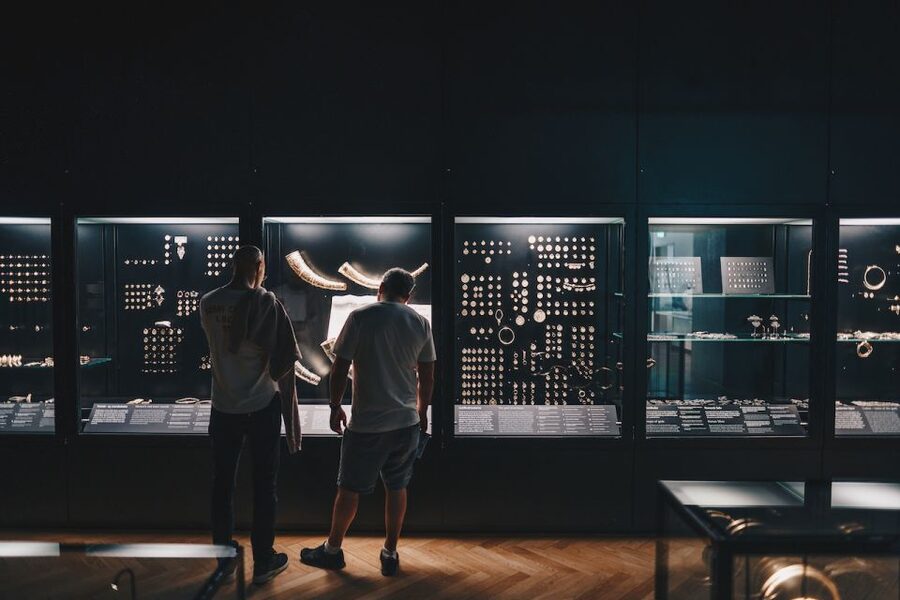
At about $21, the admission is fair if you enjoy museums and plan to stay for several hours. You are paying for a very broad collection, not a short exhibit that can be finished in 45 minutes.
The 365-day validity improves the value further. You can visit when the weather turns wet, return for a second look, or fit the museum around other Copenhagen plans. A self-guided format also means you are not paying for a guide you may not need.
The value is weaker if your Copenhagen schedule is tightly packed. You can see selected highlights in two hours, but you will not fully cover the collection. If you have only a day or two in the city, compare this admission with the other sights you most want to see.
I would rate it as particularly good value for museum fans, families with mixed interests, and anyone drawn to Vikings, archaeology, or Danish society. It is less essential for someone who wants only paintings, modern design, or one quick iconic sight.
Who should book this museum visit?
I would choose this experience if you want a broad introduction to Denmark. It works especially well near the start of a Copenhagen stay, since later visits to castles, churches, archaeological sites, or Viking-related attractions will have more meaning after you have seen the national story in one place.
It also suits rainy-day plans. You can spend several solid hours indoors, take a cafe break, and return to the galleries without having to hurry through the city in bad weather.
Norse mythology fans should make the Viking Sorceress exhibition a priority. Bronze Age enthusiasts should allow extra time for the lurs and Sun Chariot. Families can enjoy the children’s area, but should keep the visit focused.
I would hesitate only if you have very limited time or little patience for large museums. The building is not always easy to follow, and there is enough information to make a rushed visit feel like work.
Final verdict: book it if you want the full Danish story
Book the National Museum of Denmark if you want more than a quick Viking photo opportunity. Its strongest feature is range: Stone Age remains, Bronze Age treasures, Viking voyages, Norse ritual, royal culture, explorers, and everyday Danish society all appear under one roof.
Go with a short priority list, reserve at least three hours, and save time for the Viking Sorceress exhibition, the lurs, the Sun Chariot, and the cafe. If you are visiting Copenhagen for just a weekend, it may not outrank every palace or art museum. But for a clear, object-filled introduction to Denmark, the $21 ticket earns its place.
FAQ
How much does admission to the National Museum of Denmark cost?
The entry ticket costs about $21 per person.
How long is the ticket valid?
The ticket is valid for 365 days. Check availability when choosing your visit time.
Where do I show my ticket?
Show your voucher at the ticketing desk of the National Museum of Denmark.
What does the ticket include?
The ticket includes entry to the museum. It does not list a meal or guided tour as part of the admission.
Can I cancel the booking?
Yes. You can cancel up to 24 hours in advance for a full refund.
Can I reserve now and pay later?
Yes. The booking option allows you to reserve your spot and pay nothing at the time of booking.
Is the museum wheelchair accessible?
Yes. The National Museum of Denmark is wheelchair accessible.
Newest around Copenhagen
- WWII Copenhagen Nyhavn and War Museum Private Walking Tour★ 5.0 · 2 reviews
- Half Day Exploration of Helsingør and Kronborg★ 3.5 · 3 reviews
- Helsingør Castle and Historic City Self-Guided Walking Tour★ 4.0 · 4 reviews
- Full-Day Tour; Castle, Palace & Cathedral, Winter(JAN-MAR)★ 5.0 · 11 reviews
- walking tour – Copenhagen and Christiansborg 3 hours★ 4.0 · 7 reviews
- Copenhagen Walking Tour with Food Testing (smorrebrod dish & snap)★ 4.5 · 10 reviews
- The Philosopher’s Last Walk: An audio tour on the life of Søren Kierkegaard★ 4.5 · 5 reviews
- The Forgotten Giants Private Tour★ 5.0 · 3 reviews
Museums, compared.

MACA Museum ‘Banksy & Street Art: The Early Years’ Art Exhibition
Read our review →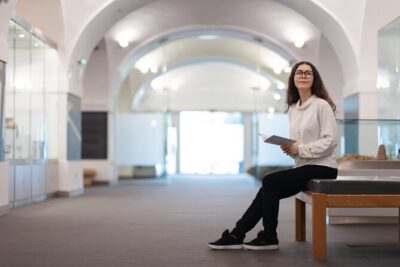
Danish National Museum Copenhagen Archeology History Tour
Read our review →
Browse the lists this tour appears in