
Review · HYGGE EXPERIENCES IN COPENHAGEN
Copenhagen: Highlights & Hygge Guided Walking Tour w/ Lunch
Copenhagen rewards curious walkers. This five-hour tour combines major sights, local food, royal stories, and the everyday Danish idea of hygge, giving you both the postcard city and the quieter corners between it. I especially like the small groups, limited to 10 people, and the chance to learn from guides such as Oskar, Therese, Jacob, and Peter, who bring humor and personal insight to the route.
I also like the included lunch and sweet treat, which turn the day into more than a parade of monuments. The main consideration is the distance: you cover about 10 kilometers, even at a relaxed pace, so comfortable shoes are essential and the tour may feel long if your feet tire easily.
In This Review
- Key points to know before booking
- Starting in Nyboder, where Copenhagen feels human
- The Citadel and Copenhagen’s changing fortunes
- Amalienborg Palace and the changing of the guards
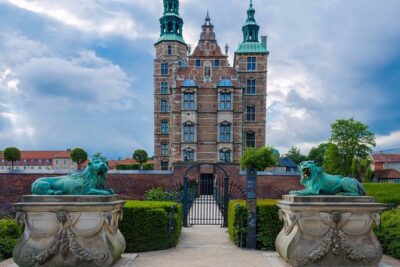
- Rosenborg Palace and stories behind the royal façade
- Christiansborg and the Denmark behind the postcards
- The Little Mermaid and a surprisingly complicated icon
- Lunch, pastries, and the Danish side of hygge
- Why the small group changes the experience
- Is $110 good value for five hours?
- Who should book this walking tour?
- Practical details before you go
- Should you book the Copenhagen Highlights and Hygge tour?
- FAQ
- How long is the Copenhagen Highlights and Hygge walking tour?
- How far do you walk?
- What sights are included?
- Will I see the changing of the guards?
- Is lunch included?
- Is the tour conducted in English?
- How large is the group?
- Where does the tour meet?
- What happens if it rains?
Key points to know before booking
- Royal timing: The route reaches Amalienborg Palace in time for the changing of the guards.
- About 10 kilometers on foot: The pace is gentle, with breaks, but this remains a serious walking day.
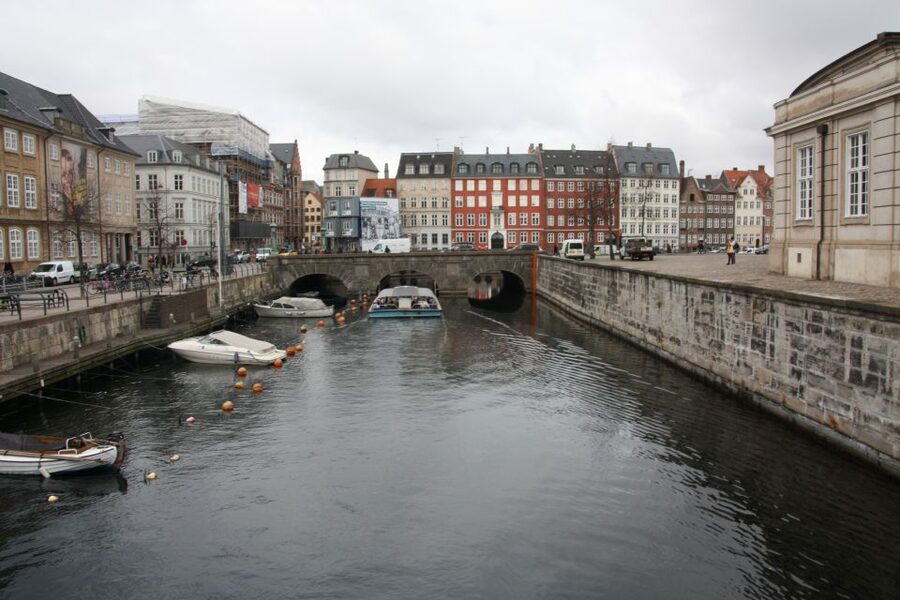
- Major sights plus quieter corners: You see Rosenborg, Christiansborg, the Citadel, Amalienborg, and the Little Mermaid, along with old streets and green spaces.
- Food is part of the experience: A light lunch, a sweet treat, and local pastries or chocolate are included.
- Small English-speaking groups: The group limit is 10, leaving room for questions and personal recommendations.
- Useful first-day orientation: The broad route helps you understand Copenhagen’s layout before exploring on your own.
Starting in Nyboder, where Copenhagen feels human
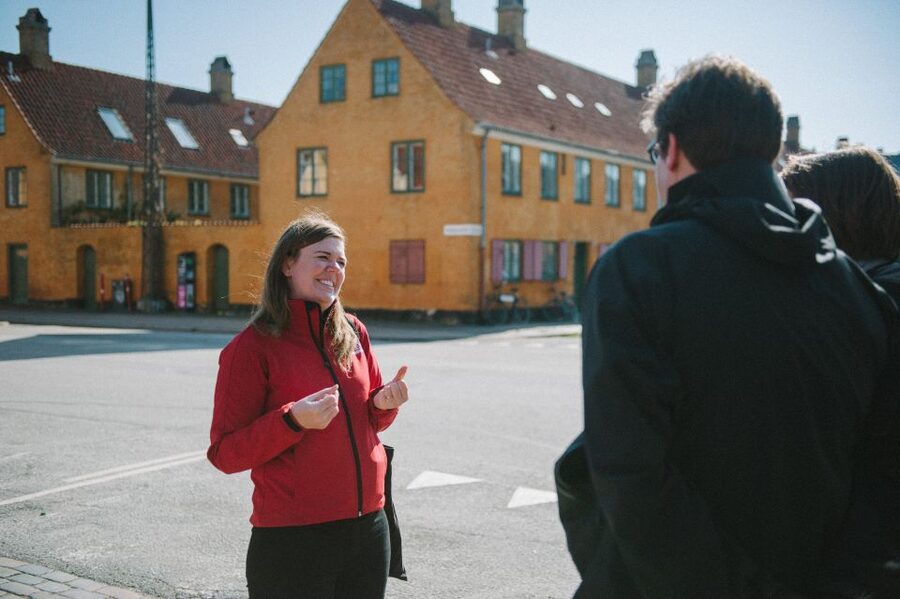
The meeting point is at the statue on the square in front of Krokodillegade 21, in the Nyboder area. This is a useful beginning because Nyboder introduces you to Copenhagen as a lived-in city rather than a collection of grand buildings.
The area is known for its old timber-framed houses and cobblestone streets. From the start, your guide can place the city’s royal and naval past in context while pointing out details you could easily walk past alone. The route is designed around stories, not just photo stops, so you should expect conversation about Danish culture and daily life alongside dates and royal names.
That balance is one of the tour’s strongest features. Guides including Oskar, Therese, Jacob, Kim, Lukas, and Peter have been praised for being friendly, patient, humorous, and able to answer many questions. Their personalities vary, but the consistent pattern is a relaxed English-language tour with plenty of room for discussion.
You may also begin to understand hygge here. It is often reduced to candles, blankets, and attractive interiors, but the tour presents it more broadly as comfort, togetherness, and a sense of well-being. That makes the idea easier to understand because it is linked to how people use public spaces, cafés, gardens, churches, and gathering places.
Other slow, hygge-shaped afternoons:
- Copenhagen: Hygge and Happiness Culture Walking Tour
★ 4.9 · 539 reviews - Good Morning, Copenhagen: Feel The Danish Hygge & Happiness
★ 5.0 · 503 reviews - Copenhagen Walking Tour: Highlights and Hygge w/Lunch
★ 5.0 · 272 reviews
The Citadel and Copenhagen’s changing fortunes
A walk along the Citadel is one of the most atmospheric parts of the route. Its shape and setting give the stop a dramatic feel, with city views and a clear sense of Copenhagen’s defensive past.
This is where the guide’s storytelling matters. Instead of only naming the fortifications, you hear about Copenhagen’s rise and setbacks, and how the city developed around power, trade, defense, and the royal court. The Citadel also gives you a change of pace from the tighter streets of the old center.
Bring a camera, but do not treat the stop as a quick photo break. The guide can help with pictures, including shots that frame the city and the historic surroundings well. That small service is useful for solo visitors and anyone traveling with a group that struggles to get everyone in the same photograph.
The route is slow paced, but the total distance adds up. You will be walking across different surfaces, including cobblestones, so shoes with good support matter more than stylish footwear. An umbrella and weather-appropriate clothing are also sensible because the tour runs in rain or shine.
Amalienborg Palace and the changing of the guards
Amalienborg is the tour’s carefully timed royal moment. The route aims to arrive in time for the changing of the guards, a ceremony that gives the palace square a sense of occasion without requiring you to spend hours waiting.
The palace is also a good place to hear about the Royal Guards. The guides share insider stories about guard life and traditions, including details known to people who have served in the guards themselves. These personal touches help explain why the ceremony matters beyond its formal movements and uniforms.
You will want to pay attention to timing here. The changing of the guards is one of the few parts of the tour that depends on a fixed event, so staying with the group is important. If you stop for photographs or fall behind, you could miss the best part.
Amalienborg also connects naturally to the Danish monarchy. The buildings are not presented as isolated royal decorations. You learn how the palace fits into the city and how royal power has shaped Copenhagen’s streets, institutions, and public image.
Rosenborg Palace and stories behind the royal façade
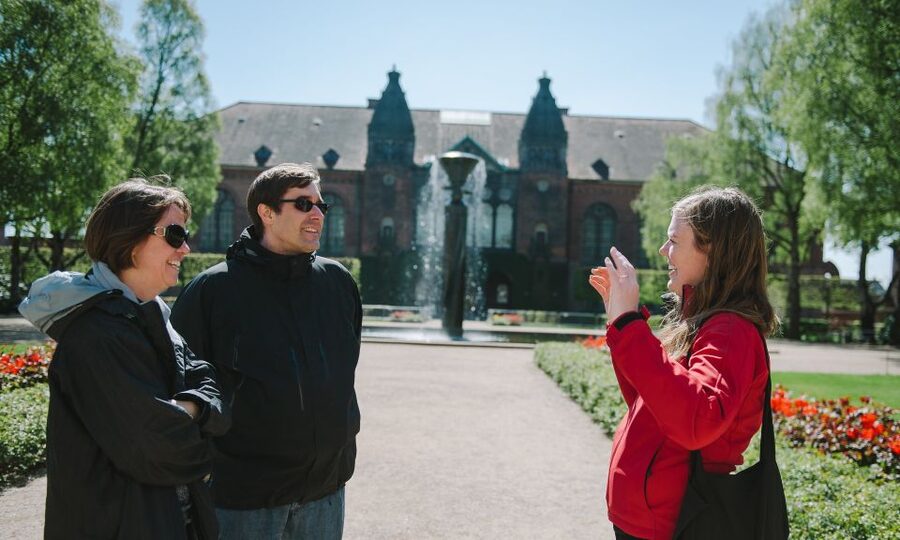
Rosenborg brings another side of the monarchy into the day. The route continues through stories about former kings, including rulers with grand ambitions and complicated private lives.
The guide’s approach is not a dry list of monarchs. Expect anecdotes about grandiose plans, romantic troubles, and the less polished side of court life. Those stories make the palace easier to remember, especially if you are not already familiar with Danish history.
The surrounding area also offers a welcome pause from traffic and stone. Copenhagen’s green spaces are part of the city’s appeal, and the tour uses them to show how Danes make room for calm in an urban setting. This is where the hygge theme feels practical rather than decorative: comfort comes from how people share space, slow down, and spend time outdoors.
The tour does not appear to include extended interior visits to the palaces, so book it for context and exterior sightseeing rather than a museum-focused palace tour. If you want to spend hours examining royal rooms and collections, you would need separate time for that.
Other guided walks in Copenhagen:
- Private Walking Grand Tour of Copenhagen
★ 5.0 · 3,953 reviews - Copenhagen Highlights Walking Tour
★ 5.0 · 2,324 reviews - Politically Incorrect Private Highlights Walking Tour
★ 5.0 · 1,244 reviews - Copenhagen: Group Walking Tour – City Highlights – 2 Hours
★ 4.7 · 1,088 reviews
Christiansborg and the Denmark behind the postcards
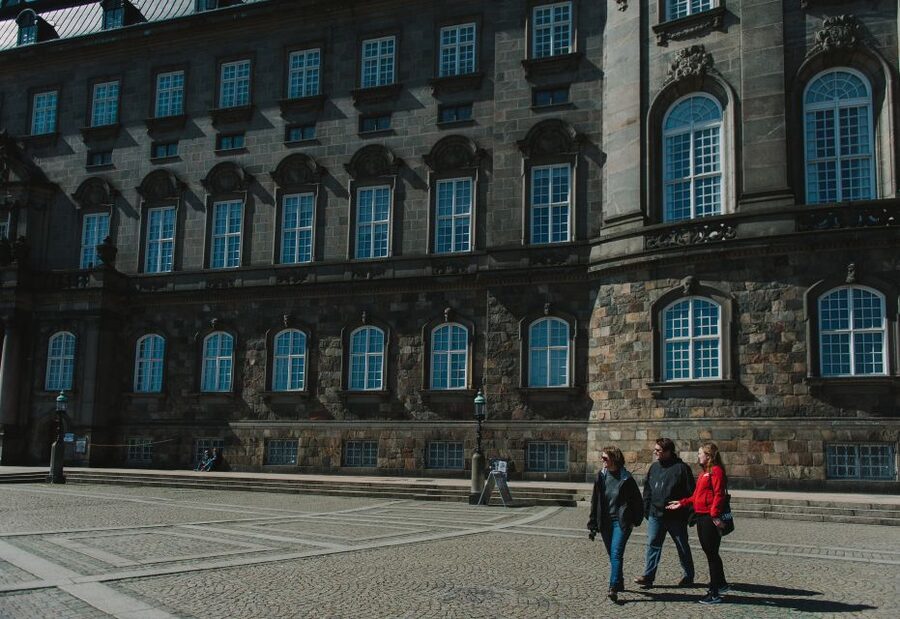
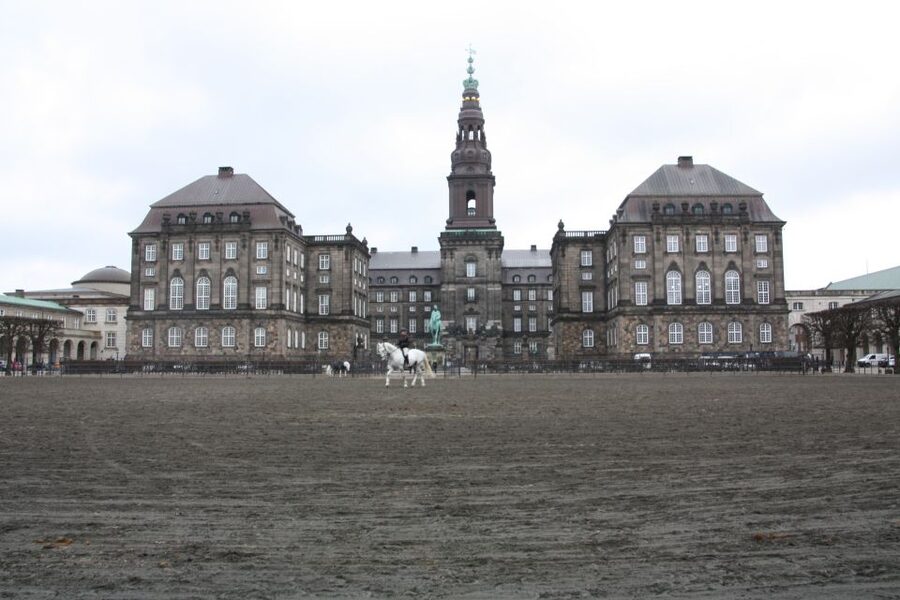
Christiansborg is the political heart of the route. The palace complex includes the Danish Parliament, giving you a chance to connect royal Copenhagen with modern government.
This section expands beyond architecture. Guides discuss the Danish welfare system and how it relates to the country’s sense of happiness and social trust. That is valuable because it moves the tour beyond the usual royal anecdotes and into the question of how Denmark works today.
You also get a look at the tension between old institutions and present-day life. Denmark’s monarchy remains visible, but Christiansborg shows that the country’s political identity is not frozen in the past. The palace serves as a useful bridge between royal tradition, public policy, and daily Danish culture.
The guides are particularly strong when the group asks questions. Several visitors praised Oskar, Jacob, Therese, and others for handling many questions patiently and clearly. If you enjoy stopping to ask how Danish society works, this is likely to be one of the most rewarding parts of the walk.
The Little Mermaid and a surprisingly complicated icon
No first visit to Copenhagen feels complete without seeing the Little Mermaid. The statue is small, easy to underestimate, and often surrounded by people taking photographs. That contrast is part of the point.
The guide explains the surprising stories around the statue and its place in Copenhagen’s public imagination. You get more than a quick look and a camera stop. The context helps you understand why this modest figure has become such a powerful symbol of the city.
This is also one of the more exposed parts of the route, so weather can affect the experience. On a cold or wet day, you may appreciate the guide’s pacing and the planned breaks more than the view itself. Good clothing is not a minor detail here.
The Little Mermaid works best as one piece of a larger day. If this were the only sight on the tour, the stop would not justify the time. Within a route that also includes royal palaces, the Citadel, old neighborhoods, and food, it becomes a satisfying final major landmark.
Lunch, pastries, and the Danish side of hygge
Food is included in a practical way. You receive a light lunch and a sweet treat, with the exact choices shaped by the guide. Past tours have included local pastries, chocolate, and a street-side lunch.
Do not expect a long restaurant meal or a tasting menu. The food is meant to fuel a walking day and add local flavor. That arrangement works well because you do not lose a large block of sightseeing time sitting at a table.
Oskar received particular praise for choosing enjoyable local food, and other guides have been credited with introducing participants to pastries and chocolate along the way. These choices give you useful ideas for the rest of your stay, especially if you want to return to a bakery or try similar Danish treats later.
The food stop also supports the hygge theme. Sharing something small, taking a pause, and talking with the group can explain the concept better than a polished lecture. One memorable tour experience involved a guide who maintained a warm, comfortable atmosphere from the first meeting onward, helping the idea feel natural rather than forced.
Other food and drinks are not included, so carry water and budget for anything extra you want during the day. The lunch is light, not a substitute for every meal.
Why the small group changes the experience
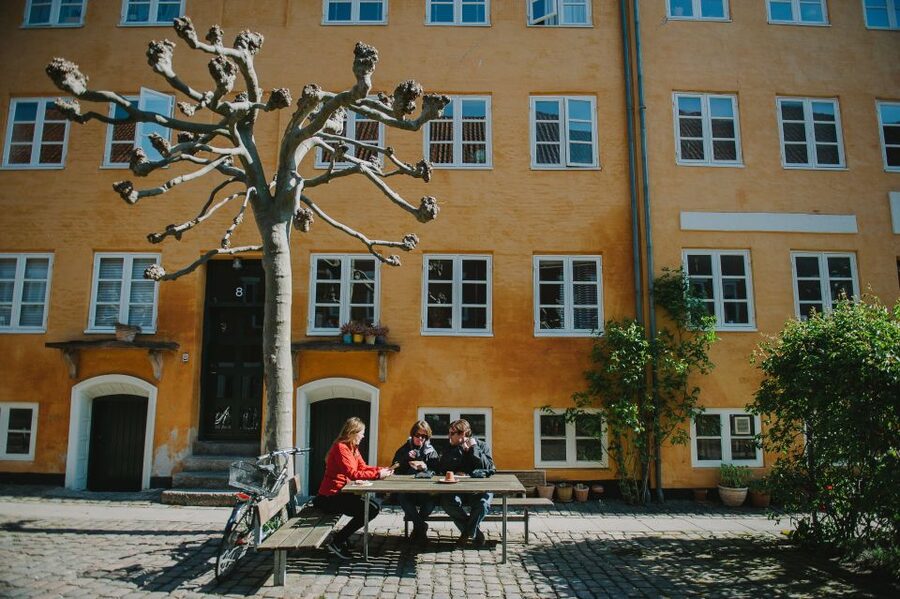
A maximum of 10 participants is a real advantage in a city tour. You can hear the guide more easily, ask questions without interrupting a large crowd, and receive help with photographs or route details.
The small format also allows the guide to respond to different needs. One guide was praised for accommodating a group with varied ages and abilities, while another paced the walk well and included regular restroom breaks. That flexibility matters during a five-hour outing.
There is one trade-off. A slow pace suits people who want time for stories and photographs, but it may frustrate anyone who prefers to move quickly. One person specifically wished the group had walked faster. Since the total distance is about 10 kilometers, the slower rhythm may be a benefit for some and a limitation for others.
The tour has occasionally operated with only one or two participants, which can make the experience feel almost private. You should not assume that will happen on your date, but the small-group structure still gives you a more personal setting than a large city coach tour.
Is $110 good value for five hours?
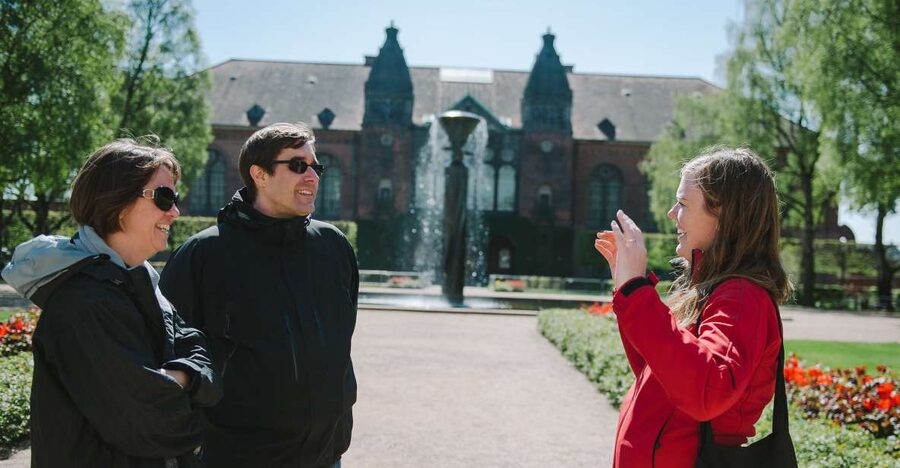
At $110 per person, this is not the cheapest way to see Copenhagen. The value comes from the combination of a local guide, a long walking route, food, historical interpretation, and one-on-one recommendations at the end.
You are covering many of the city’s key sights in a single outing: the Citadel, Amalienborg, Rosenborg, Christiansborg, the Little Mermaid, old streets, and green areas. If you tried to connect all of these places alone, you would need to study the route, plan timing around the guards, and research the background yourself.
The price makes the most sense if you are visiting Copenhagen for the first time or staying only a short while. Several people found that the route helped them get their bearings and decide what to see afterward. I would schedule it on your first or second day if possible, then return later to the places that deserve more time.
It is less compelling for a repeat visitor who already knows the central sights and wants a specialist museum, food tour, or architecture walk. The included food is modest, so do not book it mainly for lunch. Book it for the citywide orientation and the guide’s local interpretation.
Who should book this walking tour?
I would recommend it to first-time visitors, history fans, curious couples, families with older children, and anyone who likes asking questions. It also suits cruise passengers who need a broad look at Copenhagen within a single day, though you should confirm that the five-hour schedule fits your ship’s departure time.
You should be comfortable walking about 10 kilometers. The pace is not described as strenuous, and breaks are included, but this is not a short stroll between nearby monuments.
The tour is especially useful if you want to understand Denmark as well as photograph Copenhagen. The discussion of welfare, social values, royal traditions, food, and hygge gives you more context than a simple highlights route.
Practical details before you go
The tour is in English and led by a live guide. Bring comfortable shoes, weather-appropriate clothing, and an umbrella if rain is possible.
It runs rain or shine, and starting times vary, so check availability before booking. Cancellation is free up to 24 hours in advance, and you can reserve now and pay later, which helps if your Copenhagen plans are still shifting.
Because the route covers so much ground, keep your day afterward light. You may want time to rest, especially if you are not used to long urban walks. The tour includes breaks, but it is still a substantial outing.
Should you book the Copenhagen Highlights and Hygge tour?
Book it if you want one well-rounded introduction to Copenhagen, with the royal sights, the Little Mermaid, local food, and a clear explanation of Danish culture. The strongest reasons are the small group, the thoughtful pacing, the changing of the guards, and guides who bring warmth and humor to the city’s past and present.
Skip it if you want extensive palace interiors, a fast route, or a short and easy walk. At $110, it asks you to commit both money and energy. For a first visit, though, the combination of broad coverage, personal guidance, and practical recommendations makes it a useful way to get oriented quickly.
FAQ
How long is the Copenhagen Highlights and Hygge walking tour?
The tour lasts five hours. One past experience ran closer to six hours, so you should leave some flexibility in your schedule.
How far do you walk?
You cover approximately 10 kilometers. The pace is slow and breaks are included, but comfortable shoes are essential.
What sights are included?
The route includes the Citadel, Amalienborg Palace, Rosenborg Palace, Christiansborg Palace and the Danish Parliament, the Little Mermaid, old parts of Copenhagen, green spaces, and other city highlights.
Will I see the changing of the guards?
The tour is timed to reach the Royal Palace at Amalienborg in time for the changing of the guards.
Is lunch included?
Yes. The price includes a light lunch and a sweet treat. Past food choices have included local pastries, chocolate, and a street-side lunch.
Is the tour conducted in English?
Yes. The tour has a live English-speaking guide.
How large is the group?
The group is limited to 10 participants.
Where does the tour meet?
The meeting point is at the statue on the square in front of Krokodillegade 21 in the Nyboder area.
What happens if it rains?
The tour runs rain or shine. Bring weather-appropriate clothing and an umbrella if needed.
More Lunch Experiences in Copenhagen
- Copenhagen: Hard Rock Cafe with Set Menu for Lunch or Dinner
★ 4.2 · 437 reviews - Copenhagen Private Full Day Tour with Lunch Option
★ 5.0 · 125 reviews - Hard Rock Cafe Copenhagen with Set Menu for Lunch or Dinner
★ 4.0 · 107 reviews - Malmö Full Day Private Trip, Sightseeing Tour & Lunch Option
★ 5.0 · 93 reviews
Newest around Copenhagen
- WWII Copenhagen Nyhavn and War Museum Private Walking Tour★ 5.0 · 2 reviews
- Half Day Exploration of Helsingør and Kronborg★ 3.5 · 3 reviews
- Helsingør Castle and Historic City Self-Guided Walking Tour★ 4.0 · 4 reviews
- Full-Day Tour; Castle, Palace & Cathedral, Winter(JAN-MAR)★ 5.0 · 11 reviews
- walking tour – Copenhagen and Christiansborg 3 hours★ 4.0 · 7 reviews
- Copenhagen Walking Tour with Food Testing (smorrebrod dish & snap)★ 4.5 · 10 reviews
- The Philosopher’s Last Walk: An audio tour on the life of Søren Kierkegaard★ 4.5 · 5 reviews
- The Forgotten Giants Private Tour★ 5.0 · 3 reviews
Hygge Experiences, compared.
Good Morning, Copenhagen: Feel The Danish Hygge & Happiness
Read our review →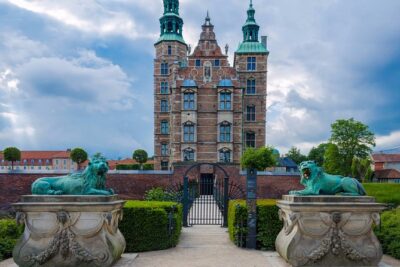
Copenhagen Walking Tour: Highlights and Hygge w/Lunch
Read our review →
Hygge & Highlights Walking Tour with Local Guide
Read our review →
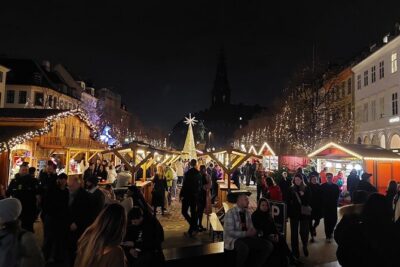
Private 90-Min Ultimate Christmas: Tivoli & Hygge
Read our review →Browse the lists this tour appears in