
Review · ODENSE & HANS CHRISTIAN ANDERSEN IN ODENSE
Odense: City walk – The new green Odense – City development
Odense is changing fast. This two-hour walk shows you how the Danish city is turning former industrial land and traffic corridors into greener, more livable places. I like the focus on real city life, from housing and education to transport and the local economy, and I like the small-group setup, which leaves room for questions and conversation. The main consideration is simple: you need to be comfortable walking about 4 kilometers, or roughly 5,500 steps.
This is not the usual march from one famous building to another. Guide Jørn Asmussen, or Johan depending on the departure, uses local knowledge and old photographs to explain what Odense looked like before its major changes. The tour is especially useful after you have seen the central sights and want to understand how the city works today. Some German-speaking guests also praised the guides’ excellent German, while English is available as well.
In This Review
- Key points to know before you book
- Why this Odense walk is different
- Meeting at Overgade 3 in the old center
- Albani Torv: the first look at city change
- Donkey Republic and the practical side of getting around
- The Port of Odense and the former industrial zone
- Storms Pakhus and a taste of modern city life
- H.C. Andersen Haven and the return through a changed center
- What the guide adds to the experience
- Price, pace, and group size
- Who should book this walk?
- My final booking advice for Odense
- FAQ
- How long does the Odense city walk last?
- How far do you walk?
- What is the price?
- Where does the tour begin?
- How will I recognize the guide?
- Which languages are available?
- Is this a private tour?
- What areas does the route cover?
- What is the main subject of the tour?
- Can I cancel the booking?
Key points to know before you book
- See the old and new Odense together: The route begins in the historic center, reaches the harbor, and returns through areas recently reshaped for pedestrians and housing.
- Understand the six-lane road that disappeared: A former main thoroughfare once cut through the city center. You walk through the finished public area that replaced it.
- Hear practical local detail: The conversation can cover Danish schools, daily routines, infrastructure, housing, the economy, and life in Greenland.
- Expect a real walking route: The tour covers about 4 kilometers in two hours, with several guided stops rather than one stationary talk.
- Small groups improve the experience: You have a better chance to ask questions and hold a natural conversation with the guide.
- Good value for curious visitors: At $31 per person, the tour gives you two hours of interpretation that goes well beyond basic sightseeing.
Why this Odense walk is different
Most city walks concentrate on what is old, attractive, or easy to photograph. This one takes a more useful route. It asks why Odense has changed, what the city hopes to become, and how those plans affect people who live there.
You will hear about the move from an industrial city toward a greener urban center with new architecture, creative businesses, and housing intended to keep younger people in the center. That gives the walk a clear theme, but the discussion is not limited to buildings. You can ask about Danish education, everyday life, public infrastructure, economic questions, and the way residents deal with change.
I especially like this approach because it gives you a way to judge the city for yourself. You are not simply told that a new district is successful. You can look at the streets, public areas, construction, and housing projects while hearing the reasons behind them.
The tour has earned a 5 out of 5 rating from 16 ratings, and the strongest praise centers on the guides’ warmth, clear explanations, and ability to answer questions. One particularly enthusiastic German-speaking guest said the walk filled an important gap after three days of exploring Odense independently. That is a useful clue about timing: take this tour early if you want a framework for the rest of your stay, or later if you want the missing piece after seeing the main sights.
Other Odense and Andersen trips:
- Self-Guided Tour of Hans Christian Andersen’s Copenhagen
★ 4.5 · 6 reviews - Odense: Craft Beer Walking Tour
★ 4.8 · 5 reviews - Two hour city tour through the new Odense
★ 5.0 · 4 reviews
Meeting at Overgade 3 in the old center
The meeting point is Overgade 3, at a small ruin on the pedestrian street. Look for the guide holding a KnowledgeWalks sign. The area is small, so finding the group should be straightforward.
Starting here makes sense. You begin in the older part of Odense, where the city’s past is easier to read. From there, the guide sets up the larger story: how a historic center can retain its character while making room for new transport patterns, public spaces, and development.
This opening section is also a good time to ask what you most want to understand. If you are interested in cycling, housing, schools, or city planning, say so early. Small groups make that kind of exchange more realistic than it would be on a large bus tour.
Albani Torv: the first look at city change
The first guided stop is Albani Torv, where you spend about 30 minutes. This gives the tour room to establish its central ideas before the route heads toward the harbor.
Here, you can expect discussion about Odense as an old industrial city and the choices made as its needs changed. The guide may use photographs of earlier streets and structures to show how the city has moved from one phase to another. These images are valuable because urban change can be hard to grasp when you see only the finished result.
This is also where the tour begins to connect physical planning with daily life. A new road layout is not just a matter of traffic. It can affect noise, walking routes, retail, housing, and how easily people move between parts of the center.
The 30-minute stop may feel long if you prefer a quick list of landmarks. For this tour, though, it is the right pace. The purpose is to understand the decisions behind Odense, not just collect another square for your photo album.
Donkey Republic and the practical side of getting around
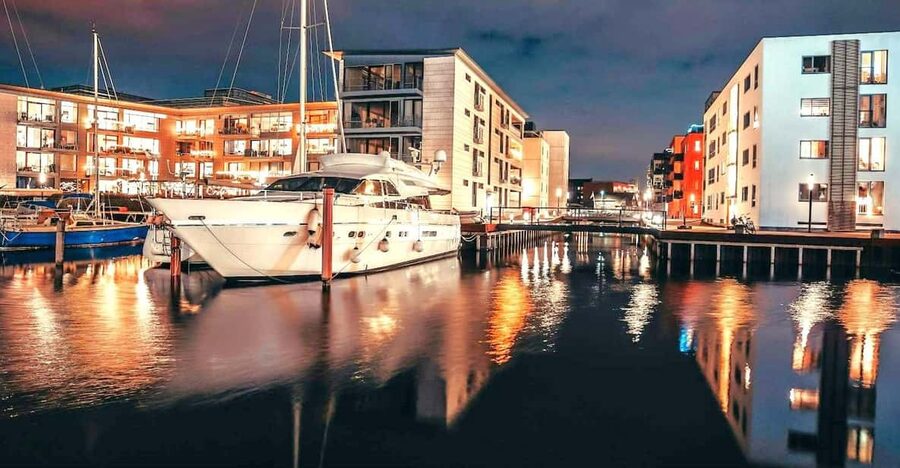
The route then continues to a Donkey Republic stop for another 30-minute guided discussion. Donkey Republic is connected with bike rental, so this part of the walk brings transport and urban movement into the conversation.
The value here is not simply seeing a bicycle rental point. You get a chance to think about how a city supports short trips, visitors, residents, and changing travel habits. The tour’s wider focus on infrastructure fits naturally at this stop.
Odense’s green ambition is presented as part of a working city, not a slogan on a brochure. Questions about streets, transport, and access help you see how planning choices affect ordinary routines. You might come away with a clearer sense of why a city removes traffic, adds pedestrian space, or encourages alternatives to car travel.
The stop also adds variety to the walk. You are not spending two hours looking at construction sites or hearing abstract planning language. The guide ties broad ideas to things you can see and use.
Other guided walks in Denmark:
- Private Walking Grand Tour of Copenhagen
★ 5.0 · 3,953 reviews - Copenhagen Highlights Walking Tour
★ 5.0 · 2,324 reviews - Politically Incorrect Private Highlights Walking Tour
★ 5.0 · 1,244 reviews - Copenhagen: Group Walking Tour – City Highlights – 2 Hours
★ 4.7 · 1,088 reviews
The Port of Odense and the former industrial zone
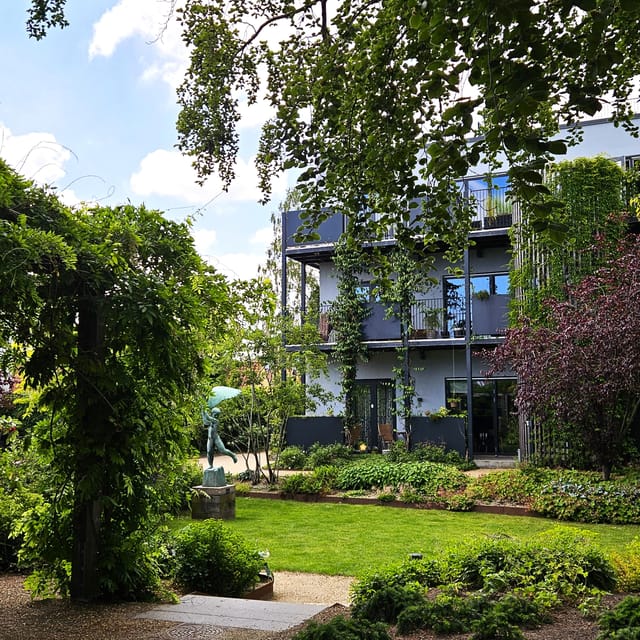
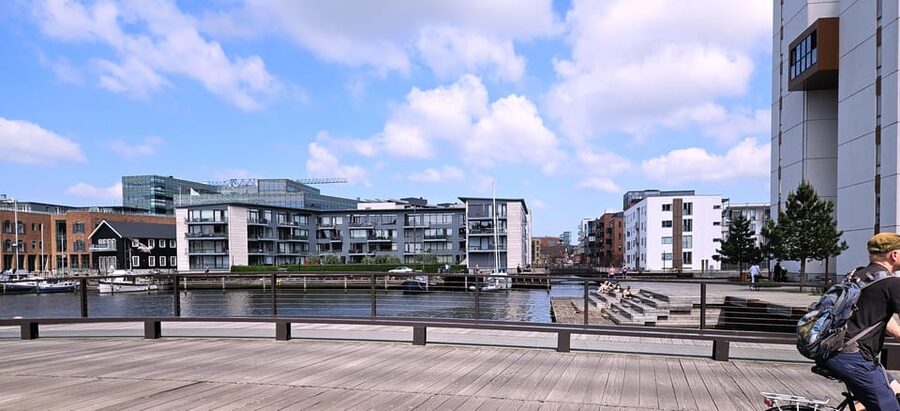
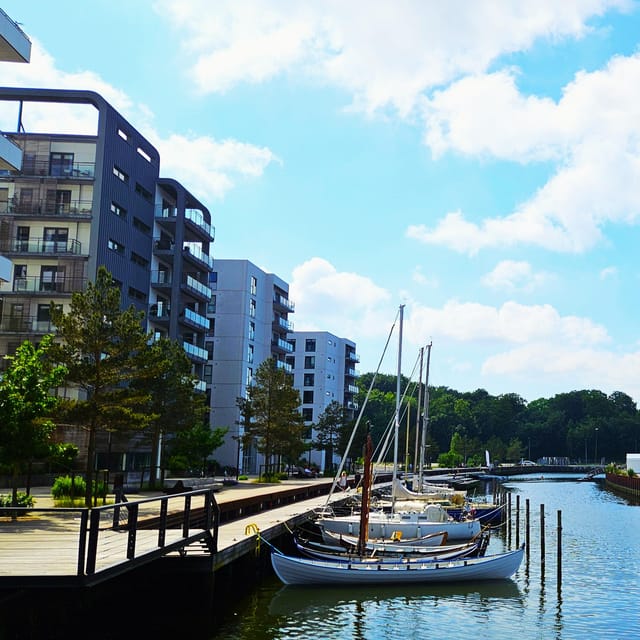
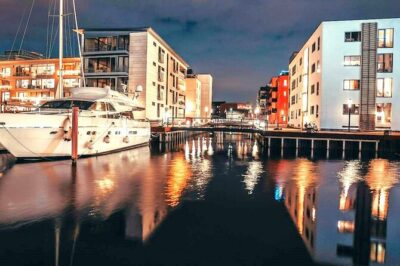
The harbor is the major outward point of the round trip, with about 30 minutes of guided time. It symbolizes Odense’s modern transformation and gives the tour its clearest contrast between the old industrial city and the city it wants to become.
As you head this way, you pass through a former industrial area where a new district is developing. This is one of the most useful parts of the route if you want to understand change in progress. Finished buildings can look polished, but a developing district lets you see the choices, gaps, and ambitions more plainly.
The guide explains how new housing and creative activity fit into the city’s plans. A key theme is keeping the center appealing and affordable for younger people. That is a practical issue, not a decorative one. A city may build attractive places, but if only a narrow group can afford to live there, the plan has limits.
I like that the tour does not treat every new project as automatically successful. The information supplied for the walk emphasizes the city’s declared goals, while the walking format lets you observe the results directly. You can ask what has worked, what is still underway, and how residents view the changes.
The harbor portion may appeal most to people interested in architecture, planning, sustainability, and social policy. If your ideal city tour is only medieval streets and famous personalities, this section will feel less conventional. That is also its strength.
Storms Pakhus and a taste of modern city life
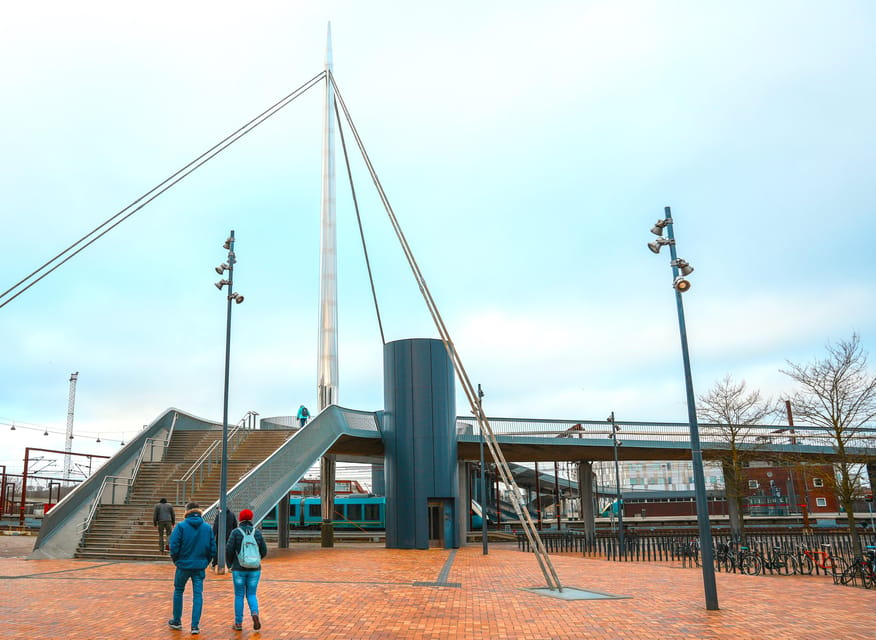
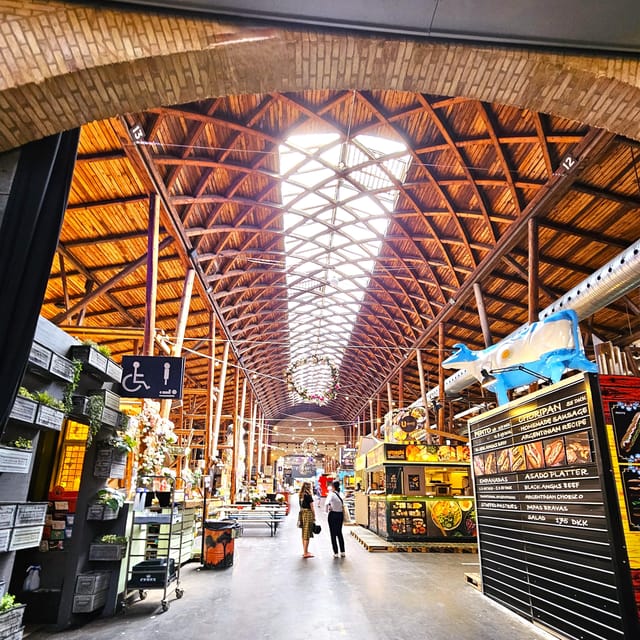
The next stop is Storms Pakhus, a former warehouse now associated with Odense street food. The guided portion lasts about 15 minutes.
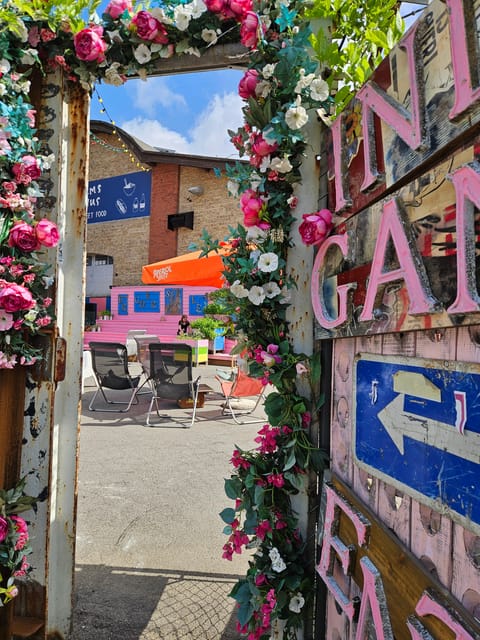
This is a short stop, but it helps connect redevelopment with the way people use a place. A former industrial building can gain a new role as a social and food destination. You get to see how an old structure can be folded into a newer city plan rather than simply erased.
The food hall itself is part of the atmosphere, though the tour information does not promise a tasting or a meal. Plan to treat this as a guided look and conversation point, not as an included food experience. If you want to eat there, allow extra time and budget beyond the $31 tour price.
For me, this stop gives the walk a welcome human scale. City planning can sound technical when discussed only in terms of roads and housing. Food, meeting places, and reused buildings show how development becomes part of daily life.
H.C. Andersen Haven and the return through a changed center
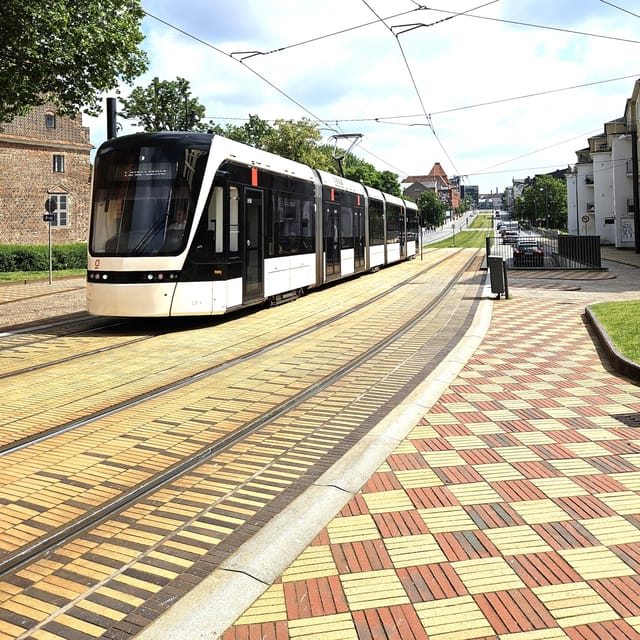
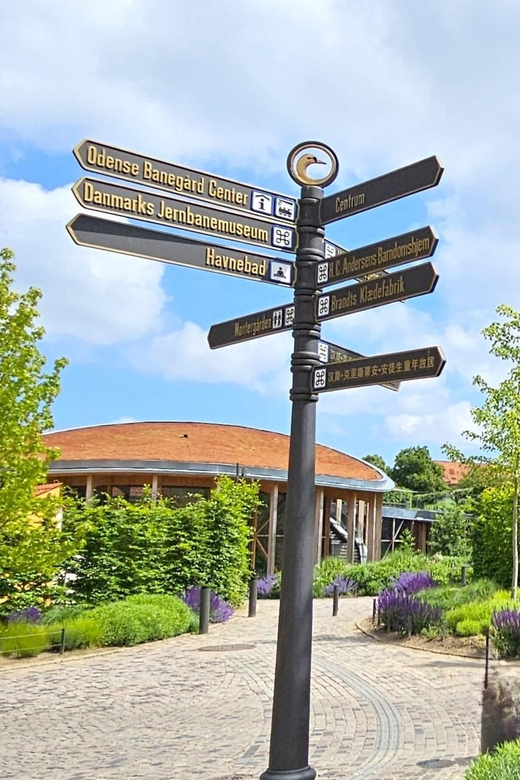
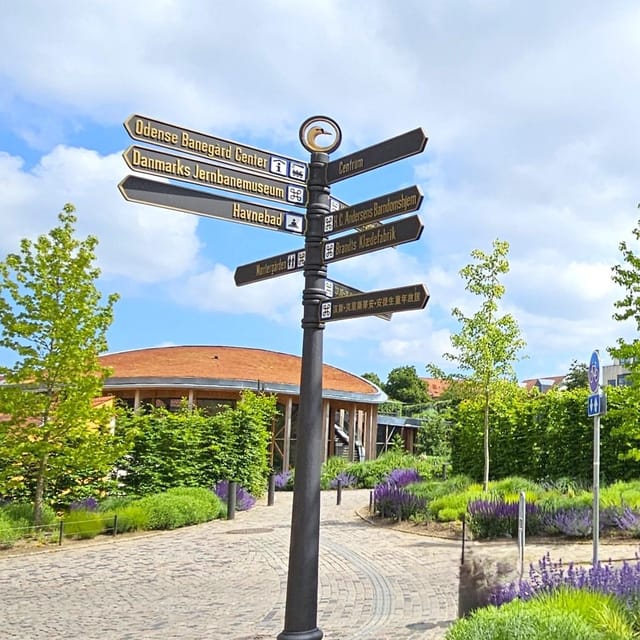
The final guided stop is H.C. Andersen Haven, with about 15 minutes before the walk returns to Overgade 3. The garden brings the route back toward the familiar identity of Odense and its connection with H.C. Andersen.
This is not presented as a separate literary tour. Instead, it helps close the loop between the historic city and the newer areas you have just seen. You began among older streets, walked toward industrial and harbor redevelopment, then returned through a completed urban area where a major road once ran.
That former six-lane thoroughfare is one of the most memorable ideas on the route. Replacing a broad traffic corridor with a more people-focused central area changes how the city feels and how sections of the center connect. You can better understand the scale of that decision by walking through the finished result.
The return route makes this a true round trip, rather than a one-way excursion that leaves you figuring out how to get back. It also gives the guide a chance to connect earlier points and answer final questions.
What the guide adds to the experience
The guide is the main reason to book this walk rather than simply study Odense’s redevelopment on your own. The experience depends on interpretation, examples, and conversation.
Jørn Asmussen is named in the strongest detailed feedback, and Johan is also named as a guide. The comments describe friendly personalities, strong conversational skills, and clear explanations in German. English and German are the listed tour languages.
That language choice matters. German-speaking visitors can expect a comfortable tour, while English-speaking visitors have the same chance to ask questions and follow the discussion. The guide’s role is not just to recite facts. The best parts are the insider details and firsthand local perspective that are difficult to find in a standard tourist brochure.
One guest described leaving the walk thinking about how similar urban problems might be handled in Germany. Another said the tour even had time for a brief side discussion about the way of life in Greenland. That suggests the conversation can widen beyond Odense when your questions lead there, though the main subject remains city development.
Price, pace, and group size
The price is $31 per person for two hours. I consider that fair value if you want context rather than a quick introduction to sights. A standard sightseeing walk may show you more named attractions, but this tour spends time explaining how a city operates and why it changed.
The small-group format strengthens the value. You are not paying only for a route. You are paying for access to a local guide who can respond to your interests. If the group is especially small, the exchange may feel more like a walking conversation than a formal presentation.
The route is about 4 kilometers, and the stated estimate of 5,500 steps gives you a useful idea of the physical demand. You do not need to be an athlete, but you should be comfortable walking for two hours with stops. Wear sensible shoes, and remember that this is an outdoor city walk rather than a seated talk.
The activity offers free cancellation up to 24 hours before the start for a full refund. You can also reserve and pay later, which helps if your Odense schedule is still shifting.
Who should book this walk?
I recommend it most strongly to curious visitors who want to understand modern Denmark, not just photograph its old streets. It is a good fit for people interested in:
- Urban planning and public transport
- Green city projects and housing
- Architecture and former industrial districts
- Danish education and daily life
- Local economic choices
- Small-group conversations
- Seeing how a historic center adapts to current needs
It also suits repeat visitors and anyone who has already spent time exploring Odense independently. The walk gives familiar streets a new meaning.
Families with older children may find the discussion worthwhile, especially if they enjoy questions about how cities work. The two-hour length is manageable, but the subject is more thoughtful than entertaining in the usual sightseeing sense.
You may want to skip it if you only have a short time in Odense and want a quick tour of the city’s headline sights. It is also less suitable if 4 kilometers of walking feels uncomfortable or if you dislike discussions about planning, infrastructure, and social policy.
My final booking advice for Odense
Book this tour if you want the city to make sense. The route links the old center, bike infrastructure, harbor, former industrial land, street food, public gardens, and the former six-lane road into one clear story.
At $31, the strongest value comes from the guide’s local explanations and the chance to ask questions in a small group. I would choose it early in a longer Odense stay so the information helps you read the rest of the city. If your schedule is tight, book it only if urban change and local life interest you more than a traditional landmark checklist.
The walk is thoughtful, friendly, and specific. It gives you more than a pleasant stroll. It shows what Odense is trying to become, and gives you enough background to decide how well that change is working.
FAQ
How long does the Odense city walk last?
The tour lasts two hours.
How far do you walk?
The route covers about 4 kilometers, or approximately 5,500 steps.
What is the price?
The price is $31 per person.
Where does the tour begin?
The meeting point is Overgade 3, 5000 Odense, Denmark, on the pedestrian street near a small ruin.
How will I recognize the guide?
The guide carries a sign marked KnowledgeWalks.
Which languages are available?
The tour is available in English and German.
Is this a private tour?
The experience is offered as a small-group tour. The supplied information does not state that it is private.
What areas does the route cover?
The walk starts in the old part of Odense, continues to Albani Torv, Donkey Republic, the Port of Odense, Storms Pakhus, and H.C. Andersen Haven, then returns to Overgade 3.
What is the main subject of the tour?
The main subject is Odense’s urban development and its change from an industrial city toward a greener city with new housing, infrastructure, and creative development.
Can I cancel the booking?
You can cancel up to 24 hours in advance for a full refund. You can also reserve now and pay later.
Newest around Denmark
- Understanding Klaksvík: A Self-guided city tour in KlaksvÍk★ 5.0 · 3 reviews
- WWII Copenhagen Nyhavn and War Museum Private Walking Tour★ 5.0 · 2 reviews
- Mykines Private Hike and Tour Adventure★ 5.0 · 2 reviews
- Súðuroy Island Day Tour, Faroe Islands★ 4.5 · 3 reviews
- Half Day Exploration of Helsingør and Kronborg★ 3.5 · 3 reviews
- Helsingør Castle and Historic City Self-Guided Walking Tour★ 4.0 · 4 reviews
- Full-Day Tour; Castle, Palace & Cathedral, Winter(JAN-MAR)★ 5.0 · 11 reviews
- Denmark Data eSIM 0.5GB daily to 50GB 30 Days★ 4.0 · 2 reviews
Odense & Hans Christian Andersen, compared.

Self-Guided Tour of Hans Christian Andersen’s Copenhagen
Read our review →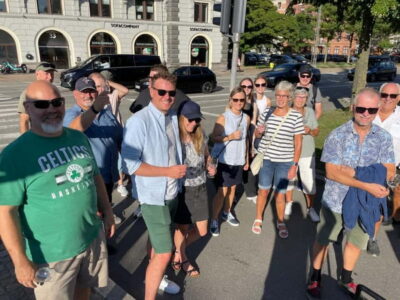

Browse the lists this tour appears in