
Review · CHRISTIANSHAVN & CHRISTIANIA IN COPENHAGEN
Copenhagen Christiania and Christianshavn Guided Walking Tour
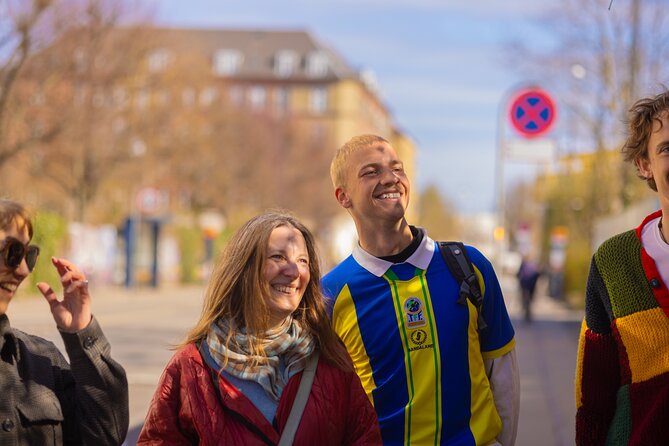
History gets personal here. This two-hour walk links canal-lined Christianshavn with the free-spirited community of Christiania, then finishes at Copenhagen’s modern Opera House. I like the strong contrast between old merchant streets and alternative culture, and I like that local guides such as Simon, Eske, and Lusander add personal stories rather than simply reciting dates. The main drawback is the short schedule: 45 minutes in Christianshavn and 45 minutes in Christiania leave little room for a slow wander.
At $53.49 per person, this is not the cheapest way to walk around Copenhagen. Still, a group capped at 15 people, an English-speaking guide, and free time inside Christiania make it a useful introduction, especially if you want context before exploring the district on your own. Dress for the weather, since the experience is outdoors and includes steady walking.
In This Review
- Key points at a glance
- Why this route works so well
- Starting in Christianshavn at noon
- Entering Freetown Christiania
- From alternative community to the Opera House
- What the local guides add
- Is $53.49 a fair price?
- Who will enjoy this walk most?
- Practical details before you book
- How to make the most of two hours
- Should you book the Christiania and Christianshavn tour?
- FAQ
- How long is the Copenhagen Christiania and Christianshavn tour?
- What time does the tour start?
- Where does the tour begin?
- Where does the tour end?
- What language is the tour offered in?
- How many people can join the tour?
- Is the tour accessible by public transportation?
- What is the cancellation policy?
Key points at a glance
- Two very different sides of Copenhagen: See historic Christianshavn, alternative Christiania, and the modern Opera House in one compact route.
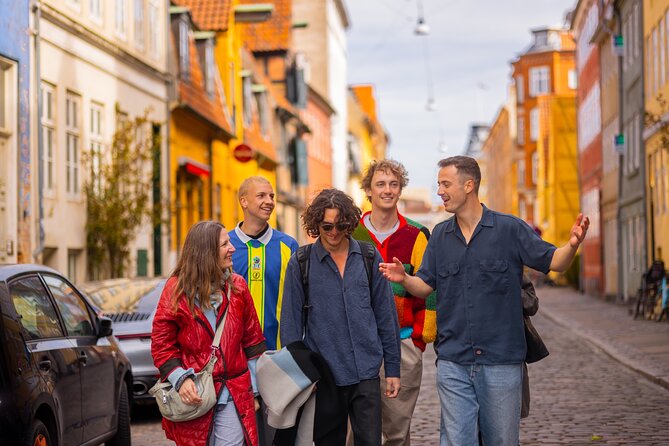
- Personal local perspective: Simon and Lusander were praised for being born and raised in Copenhagen, while another guide had lived in Christianshavn his whole life.
- Small group limit: The tour accepts a maximum of 15 people, a helpful size for hearing the guide in narrow streets and shared public spaces.
- Free time in Christiania: You are not kept on a fixed path the entire time, giving you a chance to look around at your own pace.
- Simple two-hour plan: The tour starts at noon on Dronningensgade and ends at the Copenhagen Opera House.
- Flexible booking terms: You can cancel for a full refund up to 24 hours before the start time.
Why this route works so well
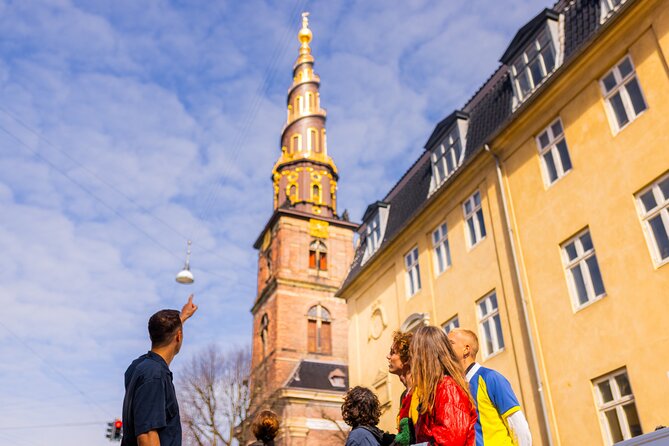
Christianshavn and Christiania sit close together, but they offer sharply different impressions of Copenhagen. The first part takes you through a historic district known for its canals and distinctive buildings. The second moves into Freetown Christiania, an anti-capitalist community known for street art, alternative lifestyles, and its own social rules.
That contrast gives the walk a clear purpose. You are not simply ticking off two nearby neighborhoods. You are seeing how Copenhagen can move from formal urban planning to a community that has long defined itself outside ordinary systems.
The final stop adds a third note. The Copenhagen Opera House brings you to the modern side of Christianshavn, so the route ends with contemporary architecture and a change in pace. In two hours, you get a compact look at three different faces of the city.
I also like the scale of the group. Fifteen people is not truly private, but it is small enough for a guide to keep the walk personal. That matters when the subject is Christiania, where the atmosphere and local context are more important than a checklist of landmarks.
More of Christianshavn and Christiania:
- Hippies & Christianshavn Walking Tour
★ 5.0 · 249 reviews - Private Walking Tour of Christianshavn
★ 5.0 · 122 reviews - Private Hippies & Christianshavn Politically Incorrect Tour
★ 5.0 · 114 reviews
Starting in Christianshavn at noon
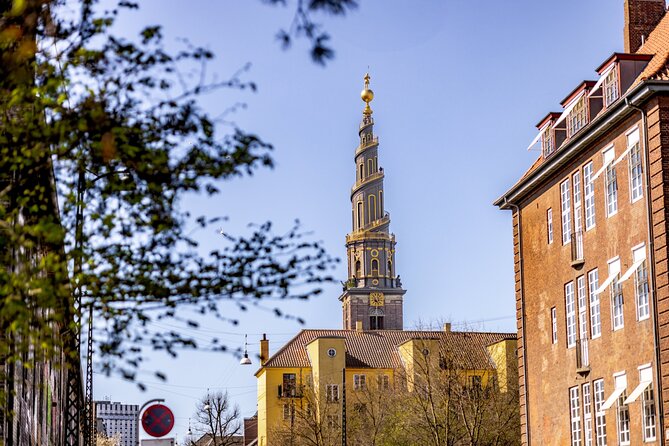
The tour begins at Dronningensgade 4 at 12:00 pm. This puts you in the heart of Christianshavn, an old district with canals, unusual architecture, and a strong neighborhood identity.
You spend about 45 minutes here. That is enough time for an introduction to the area and its history, but not enough for an exhaustive architectural tour. Think of this section as orientation. Your guide helps you notice how the canals shape the district and why Christianshavn feels distinct from other parts of central Copenhagen.
The area is especially useful as a starting point because it gives you a traditional urban setting before Christiania changes the tone. You can expect discussion of the neighborhood’s development and the features that make it special, with the guide explaining what you are seeing as you walk.
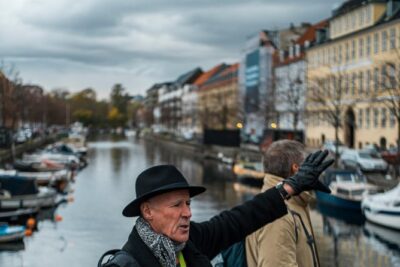
The best part of a local-led introduction is the sense of place. One guide, Simon, was praised for his enthusiasm for this part of Copenhagen. Another, Lusander, was born and raised in the city and shared details about local culture that you might not pick up from a guidebook.
A guide who has lived in Christianshavn for decades can also help explain the area as a living neighborhood, not just a pretty stop for photographs. That personal angle was a repeated strength of the experience. One guide had lived in Christianshavn his whole life and offered perspectives that connected the visible streets with everyday Copenhagen.
You should not expect time for a long canal-side pause, a museum visit, or a separate café stop. Admission is free, but the tour is built around walking and explanation. If you want photographs or a leisurely look at the canals, plan to return after the tour.
Entering Freetown Christiania
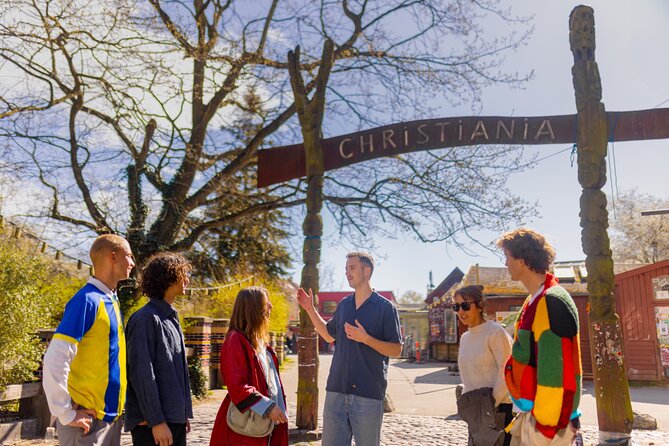
After Christianshavn, the route continues to Freetown Christiania. You spend about 45 minutes with the guide, followed by some free time to look around independently.
Christiania is the emotional center of this experience. The community is described as free-spirited and anti-capitalist, with a history and atmosphere that set it apart from ordinary Copenhagen neighborhoods. The guide explains how the community came about and what makes it different.
This is where local context matters most. Without background, Christiania can seem like a collection of colorful buildings, murals, and unusual public spaces. With an explanation of its ideals and community life, you have a better chance of understanding why the area has such a strong identity.
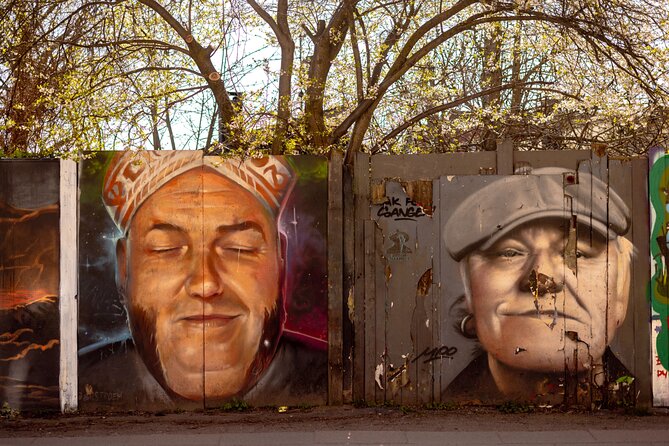
You can expect street art and alternative ways of living to be part of the conversation. The point is not to present Christiania as a tidy attraction. It is a real community with its own character, and the tour gives you a framework for looking around respectfully.
The free time is a valuable feature. A guided walk can sometimes feel rushed, especially in a place where you want to pause and take in the details. Here, you get a little room to explore at your own pace after the main explanation.
That said, 45 minutes plus free time is still a brief introduction. If Christiania interests you, you will probably want to return later and spend several more hours in the area. One useful tip from the experience is to treat this tour as your first orientation, not your entire Christiania visit.
You should also keep your expectations sensible. The description does not promise entry into specific buildings, organized workshops, or extended meetings with residents. The focus is on walking, learning the story of the community, viewing its public character, and having a short period to look around independently.
The most praised guides handled this part with warmth and ease. Simon was described as engaging, while Eske took time to explain what the group was seeing. Those qualities are important here, since Christiania raises questions that need more than a quick sentence or two.
From alternative community to the Opera House
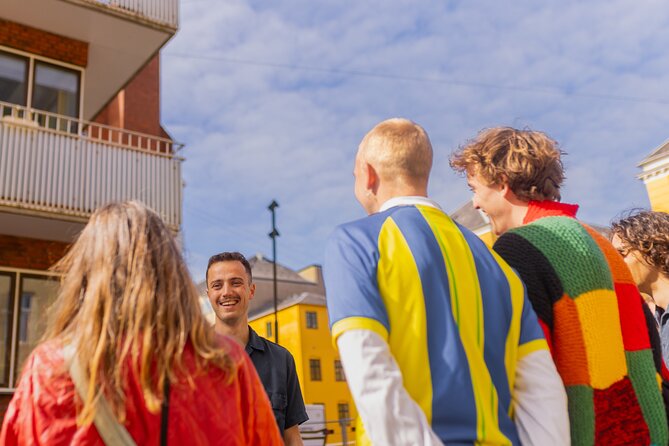
The last 30 minutes take you toward the Copenhagen Opera House, identified as Det Kongelige Teater, Operaen. This section shifts attention from Christiania’s alternative setting to the modern side of Christianshavn.
The contrast is deliberate. After street art, community history, and informal spaces, you finish beside a major modern cultural building. It gives the route a satisfying visual change and shows that Christianshavn is not defined by just one style or period.
The tour ends at Ekvipagemestervej 10, 1438 København, outside the Opera House. This is useful for planning the rest of your day. You finish near a major Copenhagen sight rather than returning to the starting point, so check your onward route before you arrive.
The Opera House section lasts about 30 minutes, so do not read it as an interior visit or a performance experience. The information provided describes the stop as a visit to the area where the Opera House is located. It is best understood as a final architectural and urban contrast.
I like this ending because it prevents the tour from becoming only a Christiania walk. You leave with a broader view of Christianshavn, including its historic streets, independent community, and modern cultural buildings.
Other guided walks in Copenhagen:
- Private Walking Grand Tour of Copenhagen
★ 5.0 · 3,953 reviews - Copenhagen Highlights Walking Tour
★ 5.0 · 2,324 reviews - Politically Incorrect Private Highlights Walking Tour
★ 5.0 · 1,244 reviews - Copenhagen: Group Walking Tour – City Highlights – 2 Hours
★ 4.7 · 1,088 reviews
What the local guides add
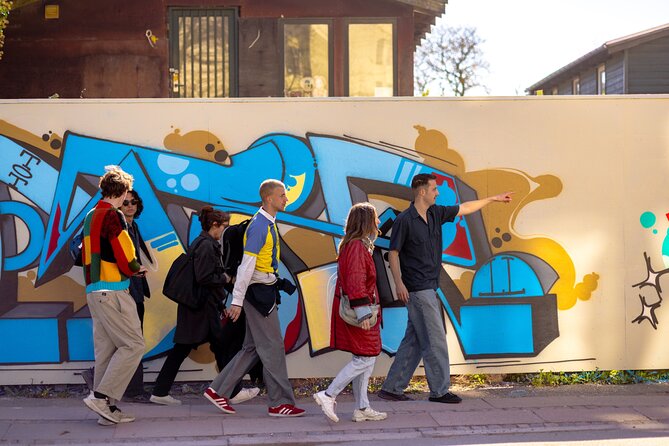
The guide is the main reason to book this experience rather than follow a map on your phone. The route itself is easy to understand, but the meaning behind Christianshavn and Christiania is harder to grasp without someone explaining the local setting.
Simon received especially strong praise for making the tour interesting and for showing clear affection for his city. Eske was noted for taking time with explanations, a useful trait in a group where people may have different levels of interest in history and architecture.
Lusander brought the perspective of someone born and raised in Copenhagen. That local background added cultural details that made the two hours feel more personal. Another guide had spent his entire life in Christianshavn, which is a rare advantage when discussing a neighborhood’s changes and character.
The guides speak English, and the experience is offered in English only. The reported feedback on language was very positive, including clear, fluent English and explanations that kept young adults engaged. That is worth noting if you are visiting with older children or young adults who may lose interest on a standard history walk.
Guide quality can vary from one departure to another, of course. Still, the consistent strengths here are local knowledge, enthusiasm, and a willingness to explain rather than rush. For this particular route, those qualities matter more than a long list of formal sights.
Is $53.49 a fair price?
At $53.49 per person, you are paying for interpretation and company rather than admission tickets. The stops themselves have no admission charge, and the tour does not include a museum, meal, or paid attraction.
For some visitors, that price will feel high for two hours of walking. You could visit Christianshavn, Christiania, and the Opera House area without paying an admission fee. If you are comfortable researching the background yourself, a self-guided walk will cost less.
I think the price makes more sense if you value a small-group local guide. Christiania is not the easiest place to understand from a quick online description, and the neighborhood’s history, ideals, and culture benefit from careful explanation. You also avoid the uncertainty of arriving with no context and simply wandering around.
The strongest value comes from the combination of three settings. A basic Christiania tour might spend more time there but give you less background on Christianshavn. A general Copenhagen walk might cover more sights but skip the alternative community altogether. This route gives you a focused introduction to both.
The fact that the tour is often booked 34 days ahead suggests that planning early is sensible if your schedule is fixed. That does not guarantee every departure sells out, but it is a practical reason not to leave this booking until the last minute.
Who will enjoy this walk most?
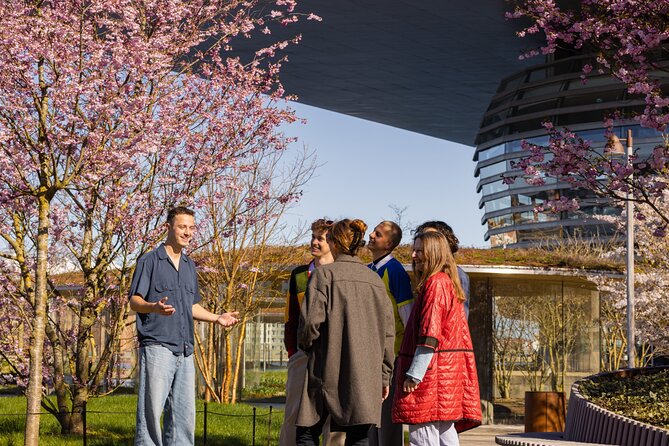
I would recommend this tour to first-time visitors who want a quick introduction to a less standard side of Copenhagen. It suits people who enjoy urban history, local culture, architecture, and social ideas more than people who want a long list of famous monuments.
It also fits well into a first full day in the city. The noon start leaves the morning free, and the Opera House ending gives you a clear next stop. You could also use it early in a longer visit, then return to Christiania or Christianshavn later with a better sense of what you are seeing.
Families with older children and young adults may find the mix more engaging than a conventional history walk. The route changes tone several times, and the Christiania section gives the tour a subject that feels different from standard sightseeing.
I would be more cautious if you have limited mobility or dislike walking outdoors in uncertain weather. The tour is described as suitable for most people and near public transportation, and service animals are allowed. Still, the experience is a walking tour through public neighborhoods, with no promise of indoor shelter or a slower pace.
A chilly day does not necessarily ruin it, but you should dress for Copenhagen weather. One guide kept the experience enjoyable even in cold conditions, yet you will get more from the tour if you are prepared to stay outside for roughly two hours.
Practical details before you book
You receive confirmation at booking, and the ticket is mobile, so there is no need to print a voucher. The meeting point is Dronningensgade 4, and the start time is noon.
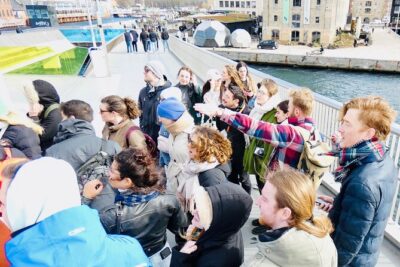
The group limit is 15 people. That is a useful balance between social energy and personal attention, though it is not the same as a private tour. If you want to ask many questions, arrive ready to participate.
The route ends at the Opera House rather than at the original meeting point. Plan your afternoon around that location. The endpoint is Ekvipagemestervej 10, 1438 København, Denmark.
Free cancellation is available up to 24 hours before the local start time for a full refund. Changes or cancellations made inside that 24-hour window are not accepted for a refund, so keep that cutoff in mind when making plans.
How to make the most of two hours
Wear comfortable shoes and prepare for outdoor conditions. The supplied details do not list a dress code or special equipment, but this is clearly a street-level walking experience.
Keep your schedule flexible after the tour. The 45-minute Christiania visit and added free time may give you a reason to stay longer, while Christianshavn deserves more than a hurried glance if canals and architecture interest you.
Listen closely during the Christiania explanation, then use the free time to look at the area with that context in mind. That simple order makes the independent portion more rewarding than arriving without any background.
Finally, use the Opera House ending as a planning advantage. You are not being returned to the start, so think of the tour as a one-way neighborhood walk and arrange your next activity from the Opera House area.
Should you book the Christiania and Christianshavn tour?
Book it if you want local stories and cultural context in a small English-speaking group. The born-and-raised Copenhagen guides, the personal connection to Christianshavn, and the free time in Christiania give this walk more substance than a basic orientation stroll.
Skip it if your priority is saving money, spending a full afternoon in Christiania, or entering attractions along the way. At $53.49, the value depends on how much you want a guide to explain the city’s contrasts.
For most first-time visitors with two hours to spare, I think it is a smart introduction. You see historic Christianshavn, hear the story of Christiania, and finish with the Opera House, all without pretending that one short walk can explain every corner of the city.
FAQ
How long is the Copenhagen Christiania and Christianshavn tour?
The tour lasts approximately two hours.
What time does the tour start?
It starts at 12:00 pm.
Where does the tour begin?
The meeting point is Dronningensgade 4, 1420 København, Denmark.
Where does the tour end?
The tour ends at the Copenhagen Opera House, at Ekvipagemestervej 10, 1438 København, Denmark.
What language is the tour offered in?
The tour is offered in English.
How many people can join the tour?
The maximum group size is 15 people.
Is the tour accessible by public transportation?
Yes. The experience is listed as being near public transportation.
What is the cancellation policy?
You can cancel up to 24 hours before the local start time for a full refund. Cancellations or changes made less than 24 hours before the start time are not accepted for a refund.
Newest around Copenhagen
- WWII Copenhagen Nyhavn and War Museum Private Walking Tour★ 5.0 · 2 reviews
- Half Day Exploration of Helsingør and Kronborg★ 3.5 · 3 reviews
- Helsingør Castle and Historic City Self-Guided Walking Tour★ 4.0 · 4 reviews
- Full-Day Tour; Castle, Palace & Cathedral, Winter(JAN-MAR)★ 5.0 · 11 reviews
- walking tour – Copenhagen and Christiansborg 3 hours★ 4.0 · 7 reviews
- Copenhagen Walking Tour with Food Testing (smorrebrod dish & snap)★ 4.5 · 10 reviews
- The Philosopher’s Last Walk: An audio tour on the life of Søren Kierkegaard★ 4.5 · 5 reviews
- The Forgotten Giants Private Tour★ 5.0 · 3 reviews
Christianshavn & Christiania, compared.
Private Hippies & Christianshavn Politically Incorrect Tour
Read our review →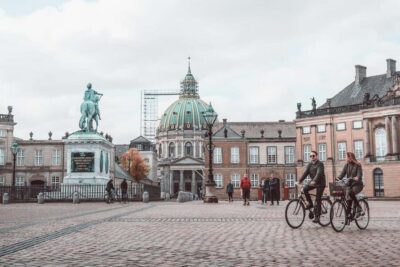
Copenhagen & Christiania : Guided Bike Tour in French
Read our review →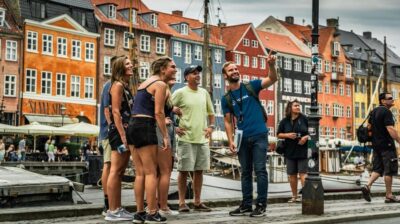
1.5-hour Private Walking Tour of Christianshavn
Read our review →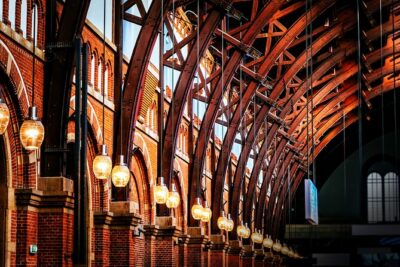
Copenhagen Alternative Private Tour: Vesterbro & Christianshavn
Read our review →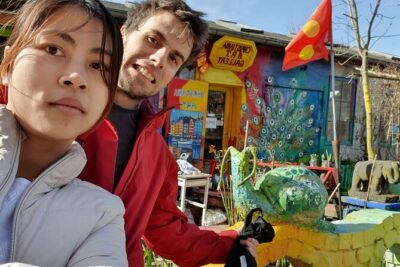
Copenhagen Christiania: Hidden Stories Self-Guided Adventure
Read our review →
Browse the lists this tour appears in