
Review · DANISH PASTRY & SMORREBROD IN COPENHAGEN
Copenhagen: Best of Danish Pastry Tasting Tour
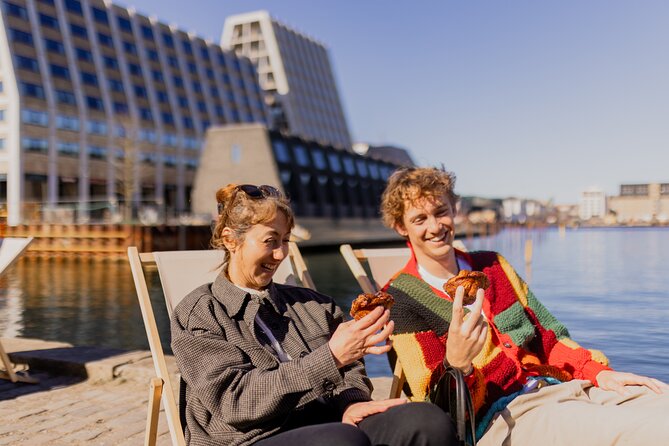
Copenhagen tastes better one bakery at a time. I like this tour for its five distinct bakery stops and the way pastry tasting blends with local history, city streets, and practical tips from guides such as Theo, Simon, Emily, Noah, and Linea. You are not simply handed a bun and sent on your way.
The other strong point is the small-group setup, limited to 10 people. That gives you room to ask about Danish customs, bakery choices, or where to go next in Copenhagen. The main consideration is the 5-kilometer walk, which can feel long in cold or rainy weather, even though the pastry portions are spaced out over two hours.
In This Review
- Key Things to Know Before You Book
- Why Danish Pastry Deserves Its Own Tour
- Meeting at Lagkagehuset and Getting Started
- Five Bakery Stops, Five Ways to Taste Denmark
- Stop One: Start With a Familiar Danish Classic
- Stop Two: Look for Tebirkes
- Stop Three: Add Fruit With Hindbærsnitter
- Stop Four: Compare a Kringle or Another Traditional Sweet
- Stop Five: Finish With the Crowd-Pleasing Pastry
- The Walking Route Adds Real Value
- The Guides Make or Break the Morning
- Is $74 a Fair Price?
- Who Will Enjoy It Most?
- Practical Tips for a Better Tasting
- Should You Book This Copenhagen Pastry Tour?
- FAQ
- Where does the Copenhagen pastry tour meet?
- How long does the pastry tasting tour last?
- How far do you walk?
- How many bakeries do you visit?
- Which Danish pastries might I taste?
- Is the tour conducted in English?
- How large is the group?
- Can I cancel the booking?
Key Things to Know Before You Book
- Five bakeries in two hours: You taste a Danish pastry at each stop rather than spending the whole morning in one shop.
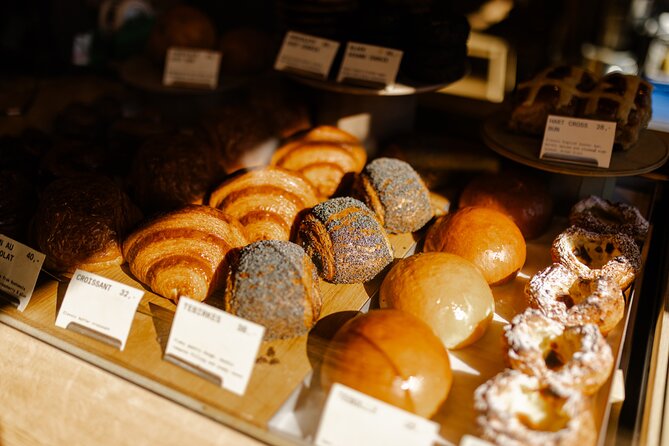
- Classic Danish flavors: Expect items such as Wienerbrød, Tebirkes, Kringle, and Hindbærsnitter, with different fillings, textures, and levels of sweetness.
- A walking tour with food: The route covers about 5 kilometers and includes city sights, historic buildings, and areas around Torvehallerne market.
- Small groups help: With no more than 10 participants, guides can answer questions and adjust the pace more easily.
- Half portions can be enough: Several guides serve or encourage shared halves, a sensible approach when five substantial pastries are involved.
- Flexible booking: You can cancel up to 24 hours before the tour for a full refund, and reserve now while paying later.
Why Danish Pastry Deserves Its Own Tour
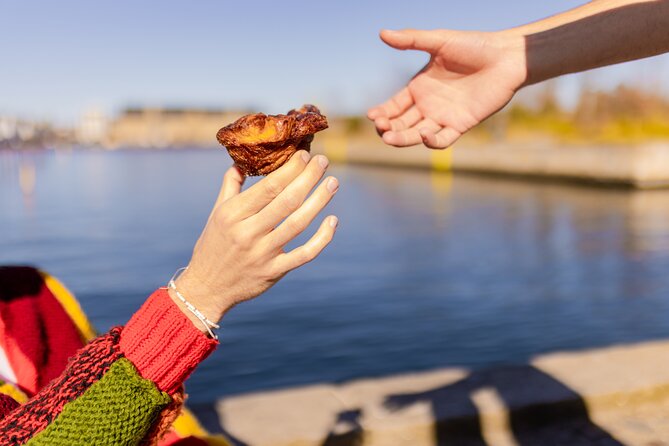
Danish pastry is not one single item. In Denmark, the word covers a family of laminated, filled, glazed, rolled, and spiced sweets. The differences can be subtle at first, but they become clear when you try several examples in a row.
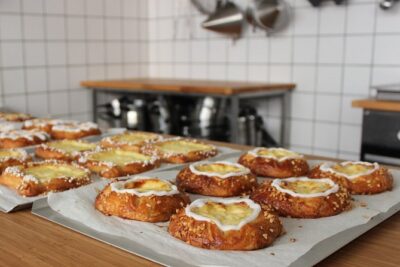
Wienerbrød is the famous starting point for many visitors. Its dough is folded with butter into thin layers, giving you a crisp outside and soft, delicate middle. Depending on the bakery and recipe, you might find custard, fruit, cream, sugar, or other toppings.
Tebirkes offers a different experience. This poppy-seed pastry is less showy than a heavily glazed sweet, but its nutty topping and soft, laminated interior make it a particularly useful introduction to everyday Danish baking. One participant specifically singled it out as a must-try, and I agree that it is the sort of local specialty you might overlook on your own.
Hindbærsnitter brings raspberry into the picture. Think of it as a tender pastry bar with a sweet fruit center, often finished with icing or decoration. Kringle adds another shape and texture, with puff pastry and a sweet filling that makes it easy to share.
The value of tasting these in sequence is simple: you begin to notice what makes each pastry different. One is crisp and buttery, another soft and poppy-seed scented, another fruity and cake-like. That comparison is much more useful than buying a random pastry from a display case and wondering what you missed.
Other pastry and smorrebrod tastings:
- The Art of Baking Danish Pastry
★ 5.0 · 276 reviews - Copenhagen: Danish Pastry Crawl with Private Guide
★ 4.9 · 46 reviews - Copenhagen Best of Danish Pastry Tasting Tour
★ 5.0 · 30 reviews
Meeting at Lagkagehuset and Getting Started
The tour begins outside Lagkagehuset Bakery. That gives you a clear, recognizable meeting point, though you should still check the exact starting time when booking because several start times may be offered.
Your English-speaking guide then leads the group toward the first tasting. The tone appears relaxed rather than formal. Guides have been praised for answering questions about Copenhagen, Denmark, local life, and the pastries themselves. Theo, Simon, Emily, Noah, Linea, Lynea, and Lysander are among the guides who have led recent tours, and the strongest pattern is that the guide matters as much as the food.
This is not a lecture with a pastry attached. The best guides use the walk between bakeries to explain what you are seeing and to add small facts about local traditions. Simon, for example, has been especially good at talking about buildings and districts along the route. Emily has mixed bakery stories with information about city life and the neighborhoods you pass.
Five Bakery Stops, Five Ways to Taste Denmark
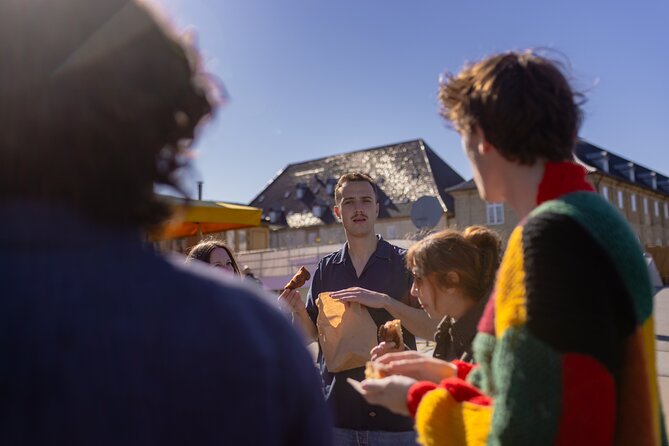
The tour does not publish a fixed list of five bakeries in the supplied details, so you should not expect a guaranteed set of named shops. That flexibility can be a strength. The guide may combine well-known bakeries with smaller local favorites, as Emily did on one tour, giving you a broader view of Copenhagen’s pastry scene.
At each bakery, you receive a sample of a Danish pastry. The portions are not described as tiny bites. Several people found that half a pastry at each stop was plenty, especially when the pieces were shared between two people. That is an important detail for anyone who sees five pastries and assumes this will be an uncomfortable sugar challenge.
Stop One: Start With a Familiar Danish Classic
The first pastry helps set the baseline. This may be a recognizable Wienerbrød or another traditional sweet, allowing your guide to explain laminated dough, common fillings, and how Danish pastry differs from what you may know at home.
Starting with a classic makes sense. Your palate is fresh, and you can pay attention to the butter, layers, glaze, and filling before the flavors begin to blend together. If you want a full portion rather than a shared half, you can ask about purchasing an extra pastry, though the included tasting is designed as a series.
More Copenhagen food tours:
- The Copenhagen Culinary Experience Food Tour
★ 5.0 · 959 reviews - Copenhagen Culinary Food Tour with 6+ Tastings of Danish Classics
★ 5.0 · 541 reviews - Politically Incorrect Beer Walk
★ 5.0 · 516 reviews - Copenhagen’s oldest and original food tour (Est. 2011).
★ 4.8 · 442 reviews
Stop Two: Look for Tebirkes
Tebirkes is one of the more distinctive pastries in the group. Its poppy seeds give it a savory edge, even when the pastry itself is sweet. The contrast is useful: Danish baking is not only about icing and fruit.
This is also a good stop for asking your guide about everyday bakery habits. The tour’s appeal is not just finding the most photogenic pastry. It is learning which foods have a real place in Danish life and which ones are newer, more fashionable creations.
Stop Three: Add Fruit With Hindbærsnitter
Hindbærsnitter changes the rhythm with raspberry and a firmer, bar-like form. The fruit adds sharpness to the sugar, while the pastry gives you a different bite from the flaky items served earlier.
For children and anyone who prefers fruit desserts, this may be a favorite. For people who dislike very sweet icing, it is worth asking the guide what you are about to taste before taking a large portion. The advantage of a shared sample is that you can try without committing to a whole bar.
Stop Four: Compare a Kringle or Another Traditional Sweet
Kringle brings another style of Danish pastry into the lineup. It is described as puff pastry, and the filling and shape can vary. This is where a good guide adds value by explaining what makes the bakery’s version special rather than treating every pastry as interchangeable.
The route also gives your group time to walk off some of the food. The five tastings are spread over two hours, so you are not eating everything in ten minutes. Still, you should arrive hungry but not ravenous. A full breakfast immediately before the tour would make the final stops harder to enjoy.
Stop Five: Finish With the Crowd-Pleasing Pastry
The last pastry can be the one that pushes you from pleasantly full to completely done. One participant called the final item epic, while another found that even sharing a bun at every stop became challenging by the end.
That is not a flaw, but it is a reminder to pace yourself. You do not need to finish every piece. Share, take small bites, and save room for the final bakery. You can also buy coffee along the way, giving you a useful pause and a way to balance the sweets with a hot drink.
The Walking Route Adds Real Value
The food is the main reason to book, but the walking route is what makes the $74 price easier to justify. You cover about 5 kilometers through central Copenhagen, passing different parts of the city rather than moving directly between isolated bakeries.
Torvehallerne market is included as a stop on at least some routes. That gives the tour a useful change of pace and lets you see one of Copenhagen’s popular food settings alongside traditional bakeries. The precise route can vary, so you should think of this as a pastry walk with city commentary, not a formal sightseeing tour with a fixed list of monuments.
Several guides have answered questions about what to see after the tour. That makes the experience especially useful early in your visit. You can ask about nearby sights, areas to explore, or places to return for another pastry. The walk also helps you get your bearings before tackling Copenhagen on your own.
The distance is manageable for most people who are comfortable walking in a city for two hours. It is not ideal if you have mobility limits, a strict no-walking itinerary, or a tight schedule immediately afterward. Cold weather has been manageable for some groups, but bring suitable layers. Rain has not stopped the tour from being enjoyable, though wet streets and bakery crowds can slow the pace.
The Guides Make or Break the Morning
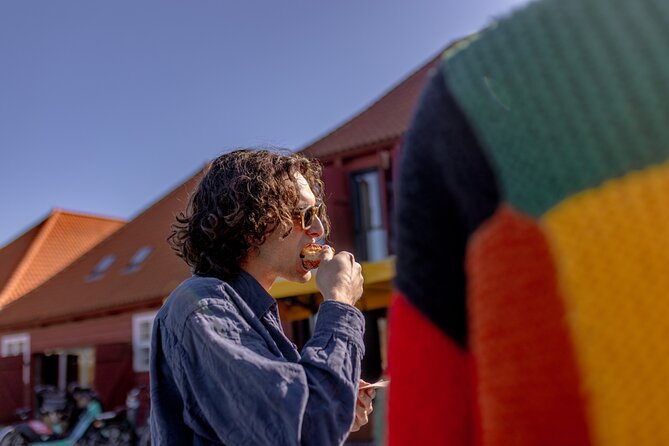
The most praised part of this experience is the guide. People repeatedly value the mix of pastry knowledge, city facts, humor, and personal recommendations.
Theo has been described as friendly, generous with information, and helpful when asked for broader Copenhagen advice. Emily has combined local bakery choices with city history and made small groups feel sociable. Simon has earned praise for discussing the buildings and areas along the route, not just the food. Noah has explained the pastries in detail while keeping the group entertained.
Linea and Lynea have also been praised for answering questions and talking about Danish life. One guide even adjusted the pace for a slower walker, which matters on a route of this length. If you are concerned about being left behind, tell the guide at the start rather than trying to keep quiet.
Group size is capped at 10, but actual numbers may be smaller. Some departures have had only two people, creating an almost private experience. A small group also makes sharing pastries easier and keeps the stops from feeling crowded with explanations.
Is $74 a Fair Price?
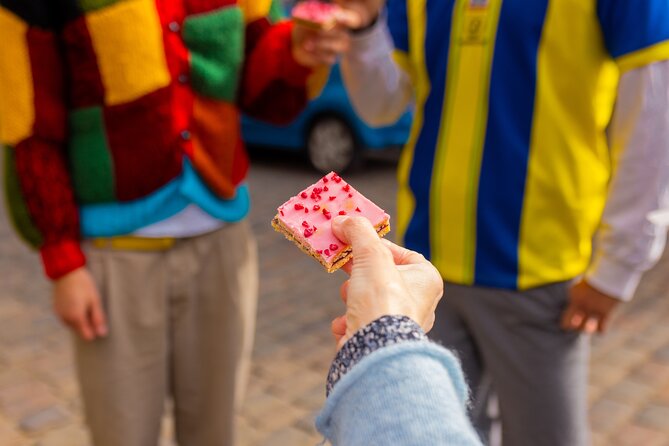
At $74 per person, this is not the cheapest way to eat pastries in Copenhagen. You could buy several sweets yourself for less. The price pays for more than the food: it includes two hours with an English-speaking guide, five bakery visits, a 5-kilometer introduction to the city, and context about Danish baking.
The value improves if you are new to Copenhagen and want food plus orientation in one activity. It also works well for people who would otherwise spend time choosing bakeries without knowing what to order. A guide can steer you toward Tebirkes, traditional Wienerbrød, or less familiar local specialties instead of leaving you with the most obvious display item.
The calculation is less favorable if you only want a large breakfast or prefer to explore bakeries independently. The included portions are tasting portions, often half pastries, rather than five full meals. You are paying for selection, guidance, and the walking route.
Who Will Enjoy It Most?
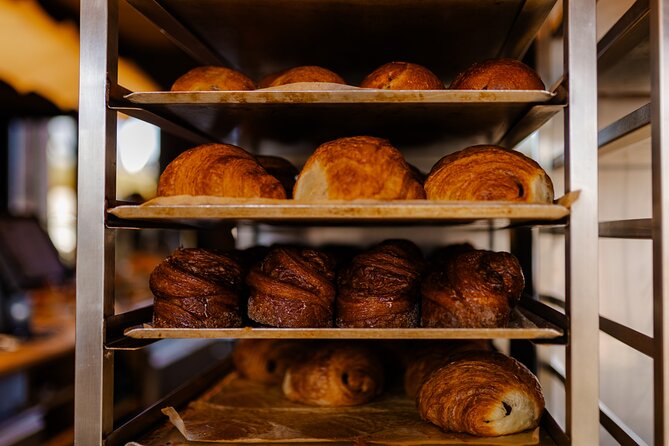
I would recommend this tour to anyone who likes pastry, food culture, and relaxed city walks. It suits couples, families with older children, solo visitors, and small groups of friends. The short two-hour format is useful when you want a food activity without giving up an entire day.
It is also a good choice for a first morning in Copenhagen. You get a feel for several neighborhoods, learn what to order, and can use the guide’s suggestions for the rest of your stay.
You may want to skip it if walking 5 kilometers is difficult, if you need a savory meal rather than sweets, or if you dislike sharing samples. People with a very small appetite should plan to split portions. Five pastries over two hours is sensible for most groups, but it is still a lot of pastry.
Practical Tips for a Better Tasting
- Eat a light breakfast beforehand, or arrive hungry enough to enjoy the full sequence.
- Share each pastry if you are touring with a companion. This lets you taste all five without becoming overly full.
- Ask which pastry is being served before taking a large piece.
- Buy coffee if you want a hot drink during the walk. Coffee is available for purchase along the way, but it is not listed as included.
- Wear comfortable shoes and prepare for cold or rainy conditions.
- Book early in your Copenhagen stay so you can use the guide’s city and restaurant suggestions afterward.
- Keep your schedule flexible after the tour. The route lasts two hours, but walking between stops can make the morning feel full.
Should You Book This Copenhagen Pastry Tour?
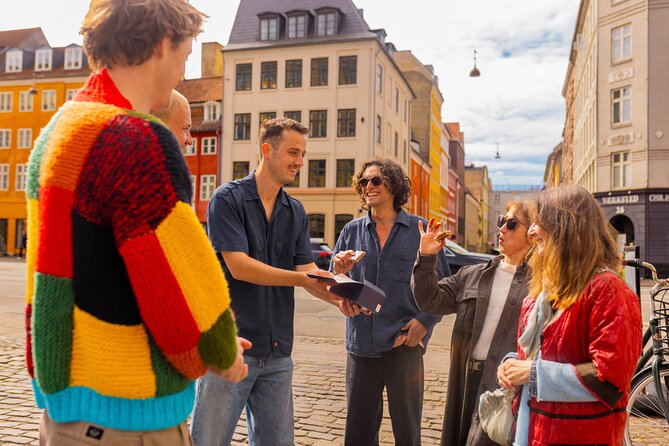
Book it if you want more than a sugar hit. The combination of five bakeries, classic Danish pastries, city stories, and a small group gives you a useful introduction to Copenhagen’s food culture.
The strongest reasons to go are the variety and the guides. You can taste Wienerbrød, Tebirkes, Hindbærsnitter, Kringle, and other changing selections while learning why each pastry matters. The main warning is the distance and the amount of food, so pace yourself and wear good shoes.
For a first visit, food-focused morning, or easy way to meet other people, I think the tour is a strong value at $74. If you already know Copenhagen’s bakeries and prefer to choose every pastry yourself, spend the money independently instead.
FAQ
Where does the Copenhagen pastry tour meet?
The meeting point is outside Lagkagehuset Bakery in Copenhagen.
How long does the pastry tasting tour last?
The tour lasts two hours.
How far do you walk?
The total walking distance is approximately 5 kilometers, or about 3 miles.
How many bakeries do you visit?
You visit five bakeries during the guided tour.
Which Danish pastries might I taste?
The tasting can include Wienerbrød, Tebirkes, Hindbærsnitter, and Kringle, along with other Danish pastries selected during the tour.
Is the tour conducted in English?
Yes. The tour has a live English-speaking guide.
How large is the group?
The tour is limited to 10 participants.
Can I cancel the booking?
Yes. You can cancel up to 24 hours in advance for a full refund. You can also reserve now and pay later.
Newest around Copenhagen
- WWII Copenhagen Nyhavn and War Museum Private Walking Tour★ 5.0 · 2 reviews
- Half Day Exploration of Helsingør and Kronborg★ 3.5 · 3 reviews
- Helsingør Castle and Historic City Self-Guided Walking Tour★ 4.0 · 4 reviews
- Full-Day Tour; Castle, Palace & Cathedral, Winter(JAN-MAR)★ 5.0 · 11 reviews
- walking tour – Copenhagen and Christiansborg 3 hours★ 4.0 · 7 reviews
- Copenhagen Walking Tour with Food Testing (smorrebrod dish & snap)★ 4.5 · 10 reviews
- The Philosopher’s Last Walk: An audio tour on the life of Søren Kierkegaard★ 4.5 · 5 reviews
- The Forgotten Giants Private Tour★ 5.0 · 3 reviews
Danish Pastry & Smorrebrod, compared.


Copenhagen Walking Tour with Food Testing (smorrebrod dish & snap)
Read our review →Browse the lists this tour appears in