Review · COPENHAGEN TOURS
Copenhagen: Six Forgotten Giant Sculptures Tour by Bus
Troll hunting makes a fine day outside Copenhagen. I like the easy bus access from the city center and the chance to see six giant scrap-wood sculptures in quiet nature spots that are awkward to reach alone. The main thing to consider is the price: at $135 per person, this is not a cheap sightseeing ride, though the transport and route planning save you a lot of effort.
The tour also gives you a playful look at Danish public art. These sculptures were built with local volunteers from recycled wood, then placed far from traditional galleries. You walk through fields and other remote spots to find them, so wear shoes that can handle uneven ground and possibly damp paths.
In This Review
- Six useful things to know before you go
- Why these forgotten giants are worth your afternoon
- Starting near Copenhagen Central Station
- Sleeping Louis comes first
- Hill Top Trine and the value of the walk
- Oscar Under The Bridge gets the longest first-half visit
- A brief break at Spisestedet Mosen
- Little Tilde shows the project’s playful side
- Thomas on the Mountain earns 40 minutes
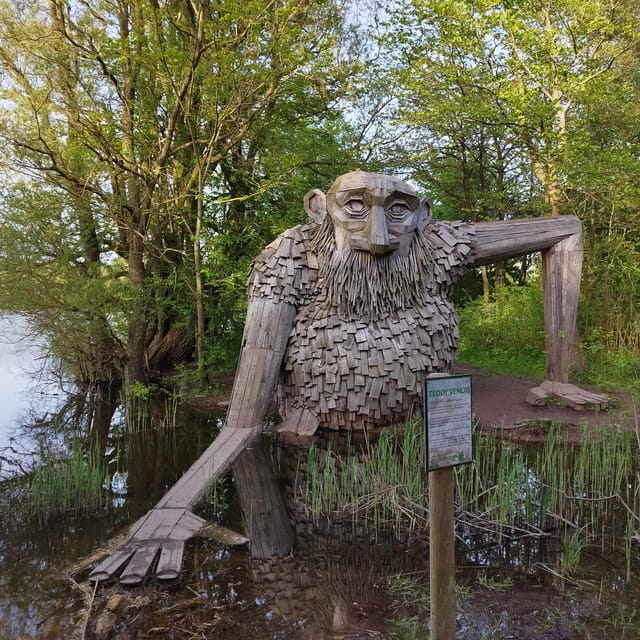
- Friendly Teddy closes the hunt
- How much value do you get for $135?
- What the guide and bus add
- Who should book this tour?
- FAQ
- How long does the Six Forgotten Giants tour last?
- Where does the tour start?
- Is hotel pickup included?
- What language is the tour conducted in?
- Are food and drinks included?
- Can I cancel the booking?
Six useful things to know before you go
- The tour visits all six giants in four hours, making it a practical way to see the full project in one outing.
- The sculptures are spread across six western municipalities, including Rødovre, Hvidovre, Vallensbæk, Ishøj, Albertslund, and Høje Taastrup.
- The meeting point is close to Copenhagen Central Station, about a two-minute walk from the station.
- The bus reaches the shortest practical walking points, a major help since the sculptures sit in remote areas.
- The art is made from scrap wood, with local volunteers helping create the giant figures.
- English is the tour language, and guide Vinod has been praised for keeping the day organized and on schedule.
Why these forgotten giants are worth your afternoon
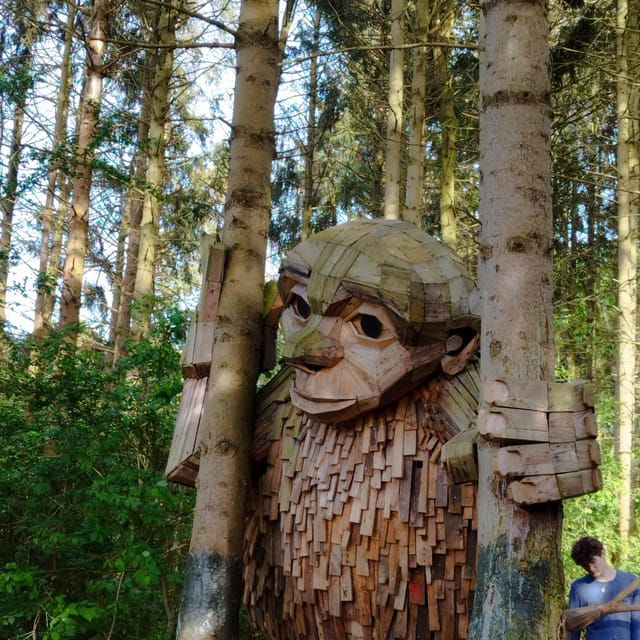
The Six Forgotten Giants project was designed to pull art out of museums and into overlooked corners of the Copenhagen area. That idea matters here. You are not simply looking at six large wooden figures from a roadside. You are walking into fields, woodland edges, and open outdoor areas to find them.
Thomas Dambo made the sculptures from recycled materials, especially scrap wood. The rough boards and large scale give the giants a friendly, handmade character. They feel more like part of the countryside than objects placed in front of a museum wall.
I also like the treasure-hunt element. The sculptures are not grouped together, so each stop brings a small sense of discovery. You leave the central city behind, ride through the western municipalities, and see a side of Zealand that most short Copenhagen tours skip.
The project has a clear environmental point without becoming a lecture. Dambo has worked with wood, plastic, cardboard, and other discarded materials in different projects. Here, the old timber becomes something playful and memorable.
A few more Copenhagen outings worth comparing
- Copenhagen Card-Discover: 80+ Attractions & Public Transport
★ 4.6 · 5,351 reviews - Copenhagen: Hop-On Hop-Off Bus Tour with Boat Tour Option
★ 3.9 · 4,122 reviews - Private Walking Grand Tour of Copenhagen
★ 5.0 · 3,953 reviews
Starting near Copenhagen Central Station
You meet at the CPH Tours & Tickets office, only about two minutes from Copenhagen Central Station. That location is useful if you are staying in the city center or arriving by train. There is no hotel pickup, so you need to make your own way to the office.
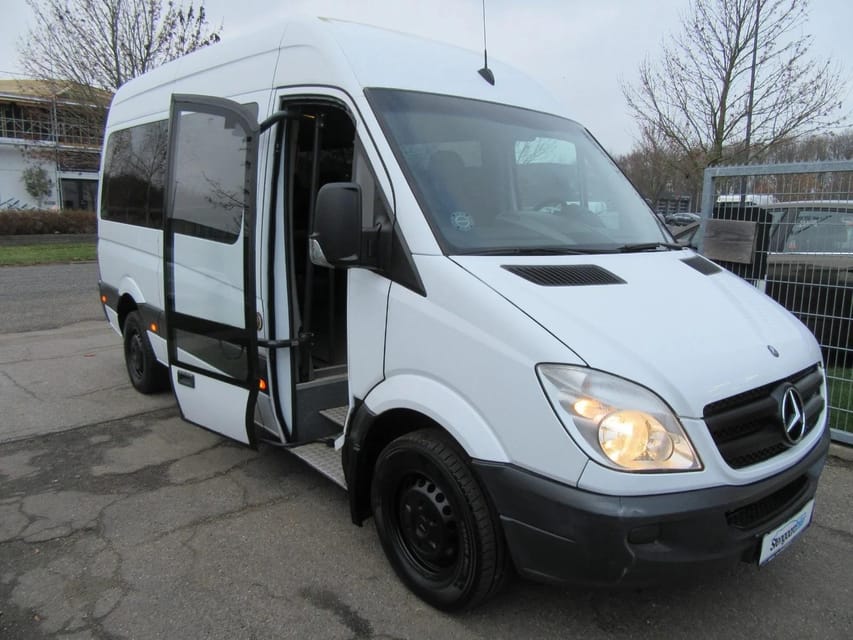
The tour uses a bus or coach for the full route. The driving time adds up, but it is the reason this experience is possible in one half-day. The six giants are scattered across several municipalities, and finding all of them independently would require careful driving, parking, walking, and navigation.
The bus has received a perfect transport score from the published ratings. One recent passenger specifically noted that the vehicle had Wi-Fi and charging points, and that snacks could be brought on board. Those details make a difference because you spend a good portion of the four hours on the road.
The tradeoff is clear: this is partly a bus tour. If you want four straight hours of walking or a slow countryside outing, this may feel too vehicle-heavy. If you want to see every sculpture without renting a car, the bus is the practical choice.
Sleeping Louis comes first
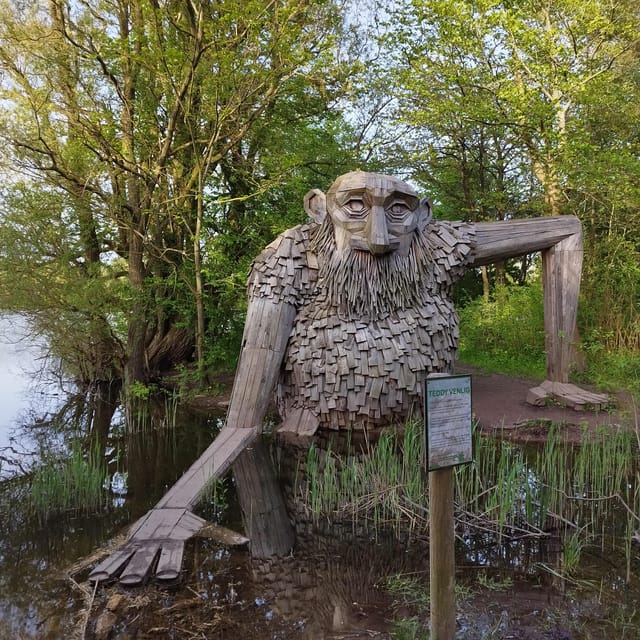
The first stop is Sleeping Louis, reached after about 30 minutes on the bus. You get roughly 15 minutes at the sculpture, with a guided visit.
The name suggests a giant at rest, and the fun begins before you know exactly what you are looking at. These figures are placed in settings where the surrounding trees, grass, and open space help form part of the scene. The sculpture is the reason for the stop, but the walk to it is part of the experience.
Fifteen minutes is enough to find the figure, take photographs, and hear the basic story from the guide. It is not a long nature walk, and you should not expect a full guided tour of the surrounding area. The schedule is built around seeing all six giants rather than spending an hour with each one.
Hill Top Trine and the value of the walk
After about 15 minutes on the bus, you reach Hill Top Trine. The visit lasts around 20 minutes.
This stop shows why comfortable shoes matter. The giants are not all sitting beside a city street, and the route involves walking through outdoor areas to uncover them. The setting gives the sculpture room to breathe and makes the search feel more like a small expedition than a standard photo stop.
The guide helps you get to the sculpture efficiently. That is important on a tight schedule. You can spend your time looking at Trine instead of trying to work out which path leads to the figure.
The walking is not presented as strenuous hiking, but the tour does involve fields and remote areas. If you have limited mobility, ask the provider for current details before booking, since the supplied information does not give a formal accessibility description.
Somewhere else in Denmark, for a completely different day:
- From Copenhagen: Lund and Malmö 2-Country Tour
★ 4.7 · 3,807 reviews - Copenhagen Highlights Walking Tour
★ 5.0 · 2,324 reviews - Copenhagen: Highlights 3 Hour Bike Tour with a Local Guide
★ 4.8 · 2,312 reviews - Hamlet and Sweden Tour – Two Countries in one day !
★ 5.0 · 2,223 reviews
Oscar Under The Bridge gets the longest first-half visit
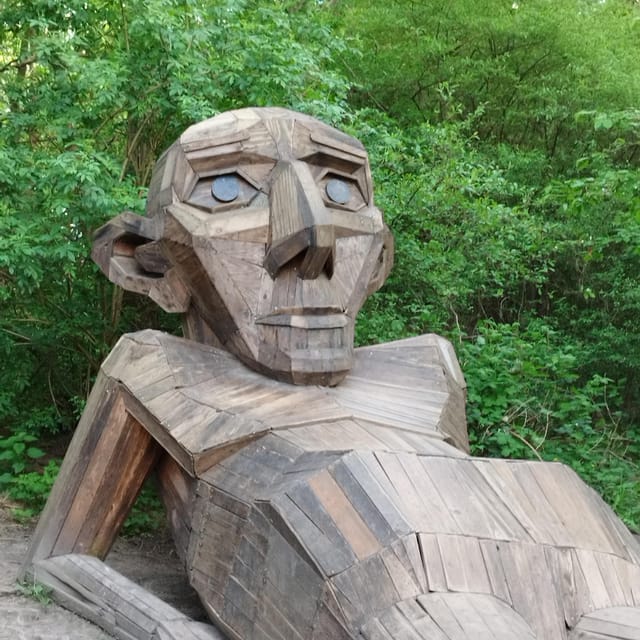
The bus ride to Oscar Under The Bridge takes about 20 minutes. You then have around 40 minutes at the sculpture, making it one of the longer stops.
The location is part of the appeal. A giant placed under a bridge turns an ordinary piece of infrastructure into part of the artwork. It also shows Dambo’s habit of using overlooked public spaces rather than polished cultural venues.
This longer stop gives you more breathing room. You can look closely at the recycled wood, take photographs from different angles, and enjoy the surrounding area without feeling hurried. If you like the practical side of public art, this is one of the most interesting stops because the setting changes how you see both the sculpture and the space around it.
You might also find this is the point when the tour’s rhythm becomes clear: ride, walk, find the giant, listen, photograph, and return to the bus. That pattern keeps the day moving, but it leaves limited time for wandering beyond the sculpture site.
A brief break at Spisestedet Mosen
After Oscar Under The Bridge, the group stops at Spisestedet Mosen for about 10 minutes. This is a short break, not a full meal stop.
Food and drinks are not included, so plan ahead. The bus allows snacks, and bringing water and something small to eat is sensible. Ten minutes passes quickly, especially if you need the restroom or want to buy something.
This pause breaks up the first three sculpture visits before the final three. It is useful, but do not count on it as a relaxed café visit. The tour is carefully timed.
Little Tilde shows the project’s playful side
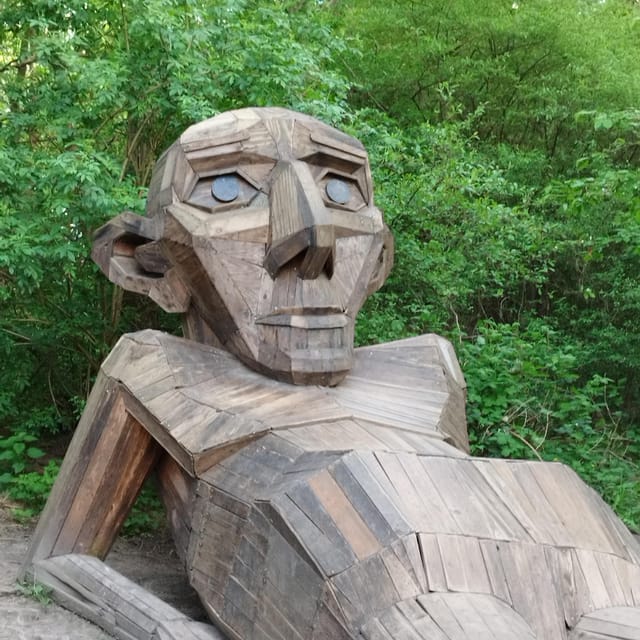
Little Tilde follows the break, with about 15 minutes of driving and a 20-minute visit.
The name fits the tone of the project. These giants are not meant to feel grand or solemn. They are approachable, slightly comic, and designed to make you look at places you might otherwise ignore.
The shorter visit works well for a sculpture that can be seen without a long stop. You will have time for photographs and a guide-led explanation, then it is back on the bus. I would keep your camera ready, since the figures are large enough to create fun perspective shots.
This is also a good point to notice the construction. The scrap wood is not just a hidden technical detail. It is part of the visual character, with the material helping the giants feel handmade rather than manufactured.
Thomas on the Mountain earns 40 minutes
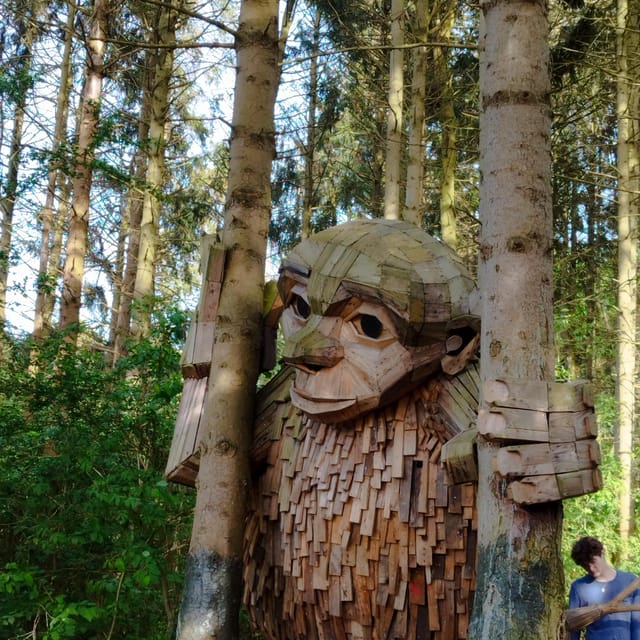
The bus then takes about 15 minutes to Thomas on the Mountain. You get around 40 minutes here, another generous stop.
This giant is closely tied to the artist’s name and the project’s outdoor spirit. The setting gives the sculpture a stronger sense of scale, and you have time to appreciate how Dambo uses the surrounding ground rather than treating it as a blank platform.
The tour description does not promise a long talk about every piece, and that is worth noting. One passenger who enjoyed the organized service still wished for more information about Dambo, the meaning of each sculpture, and Denmark during the drives. If you want detailed art interpretation, you may find the commentary fairly light.
That said, the longer stop gives you time to make your own observations. Look at how the figure sits in its setting, how the wood has been assembled, and how the sculpture changes the feel of the place.
Friendly Teddy closes the hunt
Friendly Teddy is the final sculpture. It comes after about 20 minutes of driving, followed by a 20-minute visit.
Ending with Teddy keeps the mood light. By this point, you have seen six separate outdoor installations and several different parts of the western Copenhagen area. The final stop is a chance to take the last photographs and enjoy the satisfaction of completing the hunt.
The title Friendly Teddy also captures the family-friendly spirit of the project. You do not need specialist art knowledge to enjoy these figures. The scale is impressive, the names are memorable, and the search adds a simple game to the outing.
After Teddy, the bus takes about 30 minutes to return to the CPH Tours & Tickets office. That return point is convenient if you plan to continue sightseeing, eat near the station, or catch a train.
How much value do you get for $135?
The $135 price needs to be judged against the route, not just the four-hour length. You are paying for a guide, a bus, and the work of reaching six sculptures spread across several municipalities. A self-guided visit would require your own transport and a fair amount of planning.
For two people, renting a car might appear cheaper at first, but fuel, parking, navigation, and the risk of missing a sculpture change the calculation. The tour’s main value is convenience. It turns a scattered public art project into one organized half-day.
The price is harder to justify if you only care about one or two giants, or if you already have a car and enjoy planning your own route. It is also less appealing if you want long walks, extended meals, or detailed art lectures.
I see it as a specialist outing rather than a general Copenhagen sightseeing tour. You are not paying for grand monuments or major museums. You are paying for access to an unusual art project and a smooth route through the countryside around the capital.
What the guide and bus add
A good guide matters because the sculptures are scattered and the timing is tight. Vinod has been specifically praised for being organized, keeping the tour on schedule, and making the day run smoothly. The group reportedly left promptly and still had enough time at each giant.
That balance is important. A poorly timed route could turn this into a rushed checklist. The available feedback points instead to a well-managed outing, with no need to sprint from one sculpture to the next.
The weaker point is the amount of storytelling. You will hear about the trolls and their locations, but you may want more about Thomas Dambo’s wider work, the meaning behind each figure, and Danish life during the drives. If that extra context matters to you, ask at the start how much commentary the guide plans to provide.
Still, Wi-Fi, chargers, and the ability to bring snacks make the bus more comfortable than a basic transfer vehicle. You can use the driving time to rest between walks.
Who should book this tour?
I would recommend it to you if you like unusual public art, short outdoor walks, and experiences that take you beyond central Copenhagen. It is especially useful for visitors without a car who want to see all six giants in one outing.
Families may enjoy the search-and-find format, though adults should be ready for outdoor paths and a schedule that keeps moving. Photographers will appreciate the scale of the figures and the different settings.
You may want to skip it if your Copenhagen visit is very short and you have not yet seen the city’s main sights. Four hours outside the center is a real time commitment. I would also choose another activity if you want a museum-style explanation of sculpture or a long countryside hike.
Book this tour if the idea of finding six friendly wooden giants sounds more appealing than another standard city bus loop. At $135, it is a considered purchase, but the full route, central meeting point, and organized transport make the cost reasonable for the right person. Bring water, snacks, sturdy shoes, and a playful mood.
FAQ
How long does the Six Forgotten Giants tour last?
The tour lasts four hours, including bus travel, visits to all six sculptures, a short break, and the return to Copenhagen.
Where does the tour start?
It starts at the CPH Tours & Tickets office, about two minutes from Copenhagen Central Station.
Is hotel pickup included?
No. Hotel pickup and drop-off are not included. You need to reach the central meeting point yourself.
What language is the tour conducted in?
The live tour guide speaks English.
Are food and drinks included?
No. Food and drinks are not included. You can bring snacks for the bus, and the tour includes a short break at Spisestedet Mosen.
Can I cancel the booking?
You can cancel up to 24 hours in advance for a full refund. You can also reserve now and pay later, keeping your plans flexible.
Newest around Copenhagen
- WWII Copenhagen Nyhavn and War Museum Private Walking Tour★ 5.0 · 2 reviews
- Half Day Exploration of Helsingør and Kronborg★ 3.5 · 3 reviews
- Helsingør Castle and Historic City Self-Guided Walking Tour★ 4.0 · 4 reviews
- Full-Day Tour; Castle, Palace & Cathedral, Winter(JAN-MAR)★ 5.0 · 11 reviews
- walking tour – Copenhagen and Christiansborg 3 hours★ 4.0 · 7 reviews
- Copenhagen Walking Tour with Food Testing (smorrebrod dish & snap)★ 4.5 · 10 reviews
- The Philosopher’s Last Walk: An audio tour on the life of Søren Kierkegaard★ 4.5 · 5 reviews
- The Forgotten Giants Private Tour★ 5.0 · 3 reviews
Copenhagen Tours, compared.
Copenhagen Card-Discover: 80+ Attractions & Public Transport
Read our review →
Hop-On Hop-Off Bus Tour with Boat Tour Option
Read our review →
Highlights 3 Hour Bike Tour with a Local Guide
Read our review →
Hamlet and Sweden Tour – Two Countries in one day !
Read our review →