Review · COPENHAGEN TOURS
Copenhagen: Private Gourmet Tour
Copenhagen tastes better when you know the story. This three-hour private gourmet tour links historic food vendors with the modern New Nordic movement, giving you a useful introduction to both Danish cooking and the city that shaped it. I especially like the personal format and the chance to discuss your interests before the tour begins. The main consideration is price: at $157 per person, it makes the most sense for food-focused visitors who value a private guide and tailored pacing.
I also like the mix of tastings, urban history, Danish beer, and modern city planning. Guides such as Birgitte and Gita have made a strong impression through their warm style and detailed explanations, and Birgitte has even welcomed guests with a small pastry at hotel pickup. You should arrive ready to walk, wear weatherproof clothing, and remember that the advertised tastings may not fill you up as much as a full food tour.
In This Review
- Key points to know before booking
- Why this Copenhagen food tour works
- A private route shaped around your interests
- Historic food vendors and Copenhagen’s older tastes
- New Nordic cooking without the restaurant bill
- Danish beer and the drink stop
- What the guides add to the food
- How the tasting experience may unfold
- Dietary needs, languages, and access
- Is $157 per person a fair price?
- Timing, clothing, and daily planning
- Who should book this tour?
- Should you book the Copenhagen Private Gourmet Tour?
- FAQ
- How long does the Copenhagen Private Gourmet Tour last?
- How much does the tour cost?
- Is the tour private?
- What food is included?
- Is a drink included?
- Which languages are available?
- Can dietary restrictions be accommodated?
- Is the tour wheelchair accessible?
- Can I cancel or pay later?
Key points to know before booking
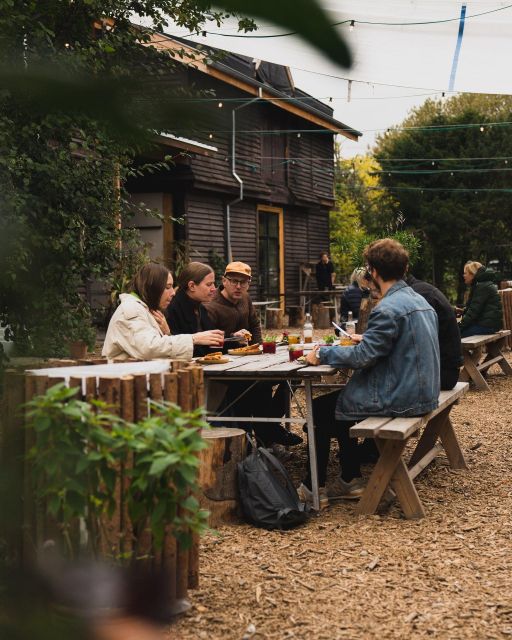
- Private format for up to eight people: Your guide can shape the route around your interests instead of following a fixed script.
- A taste of classic Denmark: Smørrebrød, Danish beer, pastries, coffee, cheese, liquor, chocolate, candy, and licorice may feature, depending on your plan.
- Food with a city story: You learn how Copenhagen developed its food culture and how the New Nordic movement changed its international reputation.
- Strong guide reports: Birgitte and Gita are praised for warmth, personal attention, and detailed explanations.
- Good for mixed interests: Food, Danish history, Jewish history during World War II, modern urbanism, and local producers can all enter the conversation.
- Practical access: Public transportation is included, tours are offered in five languages, and the activity is wheelchair accessible.
Why this Copenhagen food tour works
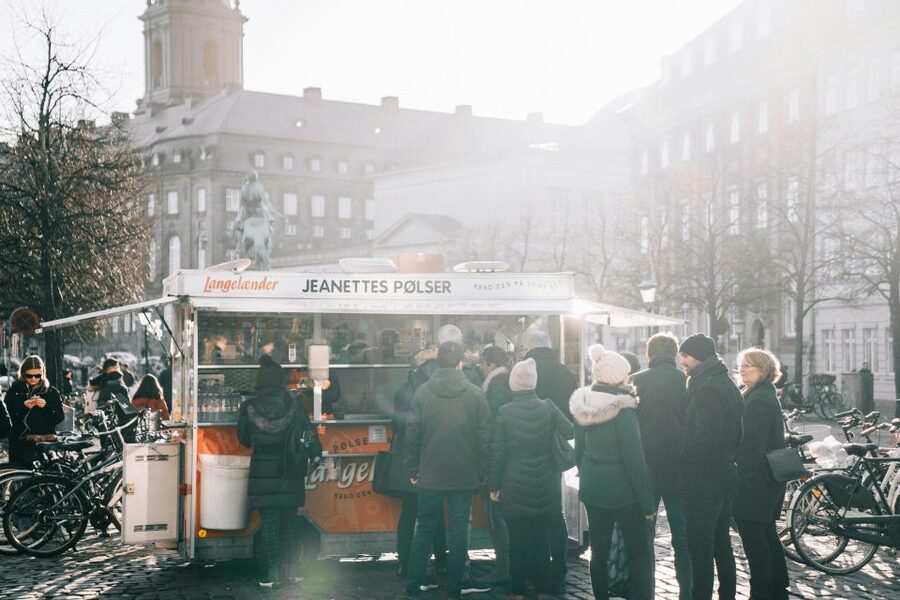
Copenhagen is easy to admire from the outside: colorful buildings, bicycles, clean streets, and a cool northern light. Food gives you a faster way into the city’s character. On this tour, you are not simply handed samples. You are shown how Danish food connects to trade, local habits, history, and the New Nordic movement.
The tour lasts three hours, which is long enough to build a story without taking over your whole day. You can pair it with a museum visit, canal tour, or evening meal. The small private format also matters. With no more than eight participants, you should have room to ask questions and request changes in emphasis.
I would not treat this as a fixed checklist of famous restaurants. The point is the conversation between old and new. You may visit long-running food sellers, meet or learn about local producers, and taste familiar Danish specialties beside newer interpretations of the country’s cooking.
A few more Copenhagen outings worth comparing
- Copenhagen Card-Discover: 80+ Attractions & Public Transport
★ 4.6 · 5,351 reviews - Copenhagen: Hop-On Hop-Off Bus Tour with Boat Tour Option
★ 3.9 · 4,122 reviews - Private Walking Grand Tour of Copenhagen
★ 5.0 · 3,953 reviews
A private route shaped around your interests
Before the tour, Delicious Denmark invites you to share what you want to explore. That could mean traditional Danish food, beer, pastries, local producers, city history, or the development of New Nordic cuisine.
This flexibility is the tour’s biggest practical advantage. If you are already familiar with smørrebrød, you can ask for more context about modern gastronomy or urban design. If food is your main reason for visiting Copenhagen, you can keep the discussion close to ingredients, producers, and eating customs.
The phrase personalised tour should not be read as a guarantee that every possible request will fit into three hours. Time is limited, and the exact food stops are not listed in advance. Still, the private structure gives you a better chance of getting a route that suits your group than a large public food walk.
The small-group limit also keeps the experience manageable. A guide can explain a dish without shouting across a crowd, and you can ask why a particular food matters in Denmark. For couples, families with older children, or friends traveling together, that personal attention may justify the higher price.
Historic food vendors and Copenhagen’s older tastes
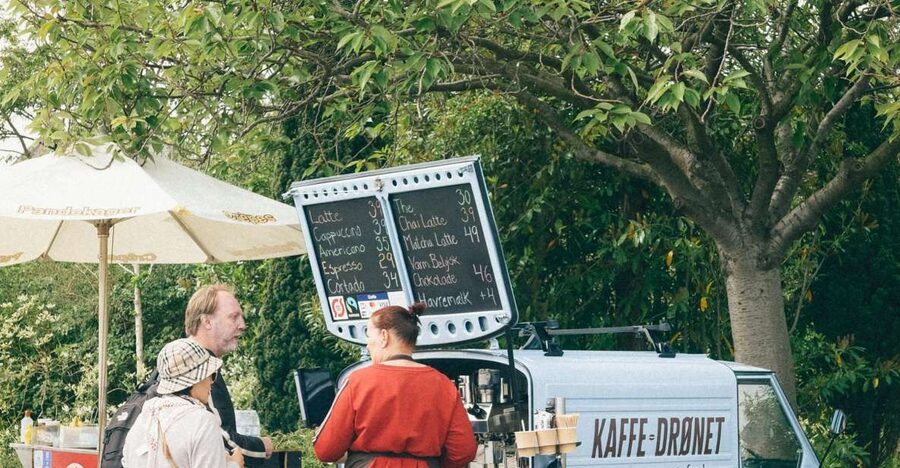
The tour includes visits to historic food vendors, a useful counterpoint to Copenhagen’s fashionable restaurants. These stops help show that Danish food culture did not begin with the New Nordic movement. The newer international reputation grew from older habits, local products, and familiar everyday foods.
One centerpiece is smørrebrød, the open-faced Danish sandwich. You receive one smørrebrød as part of the tour, and the guide explains its place in Danish eating culture. It is a simple format, but it says a lot about Denmark: good bread matters, toppings are arranged with care, and a casual meal can still have a clear sense of tradition.
The included smørrebrød is also a useful measure of the tour’s food value. It is more substantial than a tiny sample, but you should not book this expecting three hours of full meals. The experience focuses on tasting and explanation, with one defined serving alongside other samples.
Your guide may also introduce sweets and drinks associated with Danish daily life. One private tour included pastries, candy, licorice, coffee, cheese, liquor, beer, and chocolate. That list suggests a broad tasting experience, though the exact selection can change with your interests and the route.
New Nordic cooking without the restaurant bill
Copenhagen’s international food reputation is closely tied to New Nordic cooking. The movement placed fresh local ingredients, seasonality, careful preparation, and a strong sense of place at the center of modern Danish food.
You do not need to book an expensive tasting menu to understand the basic idea. A guide can explain how Copenhagen moved from traditional foods to a more experimental food culture, while still keeping familiar dishes in view. That balance is more useful than a parade of fashionable bites with no context.
I like this part of the tour because it gives you a framework for later meals. If you eat at a modern restaurant after the tour, you will have a better sense of why the menu emphasizes local products or unusual combinations. If you prefer old-fashioned food, you will still see how classic Danish tastes fit into the larger story.
The activity also connects food with modern urbanism. Copenhagen’s city planning and public spaces have helped shape how people move, shop, meet, and eat. The guide can show how food culture belongs to the city itself, not just to individual restaurants.
Somewhere else in Denmark, for a completely different day:
- From Copenhagen: Lund and Malmö 2-Country Tour
★ 4.7 · 3,807 reviews - Copenhagen Highlights Walking Tour
★ 5.0 · 2,324 reviews - Copenhagen: Highlights 3 Hour Bike Tour with a Local Guide
★ 4.8 · 2,312 reviews - Hamlet and Sweden Tour – Two Countries in one day !
★ 5.0 · 2,223 reviews
Danish beer and the drink stop
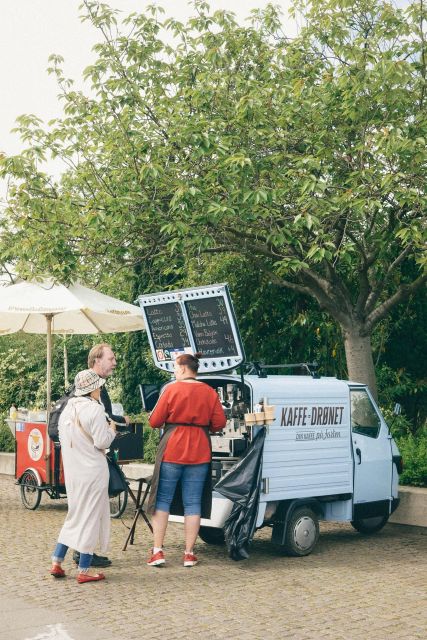
Beer is another important thread. One beer or non-alcoholic drink is included, giving you a chance to discuss Danish brewing and drinking habits without adding a separate bar bill.
The choice between beer and a non-alcoholic drink makes the tour more accessible to different groups. You might want beer as part of the Danish food experience, while another person in your party may prefer a soft drink. If you do not drink alcohol, you are not pushed to do so.
Keep expectations sensible. The tour includes one beer or non-alcoholic drink, not a brewery visit or a full beer tasting session. The value comes from placing the drink within the wider food story. You learn how it fits alongside Danish dishes and local habits.
For beer fans, I would contact Delicious Denmark before booking and explain how important brewing is to you. The provider specifically invites requests, so it is worth asking what can be included in a three-hour private route.
What the guides add to the food
A food tour can be pleasant but forgettable if the guide only names ingredients. The strongest part of this experience appears to be the guide’s ability to connect food with people and history.
Birgitte receives especially warm praise for her personal approach. One tour began with hotel pickup and a small pastry, a simple touch that set a welcoming tone. Her guests appreciated the relaxed pace, broad food selection, and explanations about where dishes came from.
Her discussion also covered Denmark’s Jewish community during World War II and the country’s international influences. That is a useful reminder that food history is not isolated from political and social history. Danish cuisine, like every cuisine, has changed through contact with other communities.
Gita is also praised for her remarkable depth of information and for making the food stops feel like a true taste of Copenhagen. Since guide assignments can vary, you should not assume you will receive Birgitte or Gita specifically. You can, however, expect the tour to be offered with a live guide in English, German, Danish, French, or Swedish.
The guide’s tone seems particularly suited to people who enjoy questions and side stories. One short review describes the tour as informative and entertaining, with many interesting anecdotes. That matters because three hours of food talk can become tiring if the delivery is stiff.
How the tasting experience may unfold
The exact route is personalised, so you should not expect a fixed list of stops. Based on the advertised focus, the experience may move through several types of food encounters:
- A historic food vendor introduces traditional Danish tastes and the older roots of Copenhagen’s food culture.
- A local producer or specialist stop gives you a closer look at how particular foods are made or sold.
- A pastry, candy, licorice, coffee, cheese, liquor, or chocolate sample adds variety to the savory food.
- A smørrebrød stop provides the main defined food serving.
- A beer or non-alcoholic drink adds a local beverage connection.
- Discussions of New Nordic food explain Copenhagen’s modern reputation.
This range is one of the tour’s strengths. You are not spending the whole time eating sandwiches, nor are you limited to high-end restaurant trends. Sweet, savory, traditional, and modern elements can all fit into the same afternoon.
There is also a tradeoff. A personalised tour may change depending on your interests, opening hours, dietary needs, and the guide’s chosen route. If you want a precise restaurant-by-restaurant schedule, this is not the best match. If you prefer a flexible introduction that responds to your questions, it is a better fit.
Dietary needs, languages, and access

Dietary restrictions can be accommodated, but you should share them when arranging the tour. Do not wait until the first stop. The more clearly you explain your needs, the easier it will be for the guide to shape suitable tastings.
The tour is available in English, German, Danish, French, and Swedish. That is helpful for groups who would rather discuss food and history in a language other than English. Since the tour is private, language choice can make the experience feel more natural and less formal.
The activity is wheelchair accessible. Public transportation is included, which may help with moving between parts of Copenhagen, though you should still discuss specific mobility needs in advance. Accessibility can depend on individual food venues and the route selected, so clear communication is sensible.
Children under five are not allowed. Older children may find the sweets, pastries, and open-faced sandwich appealing, but the tour’s historical discussions and three-hour length may suit adults best.
Is $157 per person a fair price?
At $157 per person, this is not a budget snack walk. You are paying for a private guide, a tailored route, sample tastings, one smørrebrød, one beer or non-alcoholic drink, and public transportation.
The food alone will not equal the ticket price. That is not the right comparison. The larger value comes from having someone organize the route, explain Copenhagen’s food culture, accommodate restrictions, and adjust the pace for your group.
The price looks more reasonable if you are a couple or small group that wants a private introduction early in your stay. A good guide can help you understand what to order later and point you toward food traditions you might otherwise miss.
It is less suitable if your main goal is to eat as much as possible for three hours. A cheaper public food tour or a self-guided market visit may offer more total bites. This experience is for context, access, and personal attention, not maximum quantity.
Timing, clothing, and daily planning
The tour takes three hours, with starting times based on availability. Comfortable shoes are essential. You will likely move between food stops and use public transportation, so this is not a sit-down tasting in one building.
Bring water and wear weather-appropriate clothing. Copenhagen can be rainy, and the tour operates in the city rather than in a sealed tasting room. A rain jacket is more useful than an umbrella in windy weather, though the official advice simply calls for clothing suited to the conditions.
I would schedule this experience near the beginning of your Copenhagen stay. You will gain food vocabulary, learn about Danish specialties, and get ideas for later meals. If your schedule is tight, the three-hour length is easy to fit into a morning or afternoon.
Free cancellation is available up to 24 hours before the start time, and you can reserve now and pay later. Those terms help if your Copenhagen plans are still moving around, though you should always check the available start times before committing.
Who should book this tour?
I would recommend it most strongly to:
- Couples who want a private food introduction rather than a crowded group walk.
- First-time visitors who want history and food in the same experience.
- Food-minded visitors interested in both smørrebrød and New Nordic cooking.
- Small groups with dietary restrictions or different food preferences.
- People who enjoy asking questions and learning through stories.
- Visitors who want a multilingual guide and wheelchair-accessible options.
I would hesitate if you want a large meal, a fixed list of famous restaurants, or a dedicated brewery tour. The experience offers one smørrebrød and one drink, while the remaining food comes through samples and tastings.
Should you book the Copenhagen Private Gourmet Tour?
Book it if you want Copenhagen explained through food, not simply fed to you. The best reasons are the private format, the ability to shape the discussion, and the guides’ reported warmth and broad knowledge of Danish history, food, and international influences.
The $157 price is fair for a private three-hour experience with transport and tastings, but it is not a bargain meal. Contact Delicious Denmark in advance with your interests, language preference, and dietary needs. If you do that, this tour can give you a thoughtful first look at Copenhagen’s old food traditions and its modern ambitions.
FAQ
How long does the Copenhagen Private Gourmet Tour last?
The tour lasts three hours.
How much does the tour cost?
The listed price is $157 per person.
Is the tour private?
Yes. It is offered as a small-group experience limited to eight participants, with a private guide and a route tailored to your interests.
What food is included?
The tour includes sample tastings and one smørrebrød. The exact selection can be shaped around your interests. Tastings may include Danish pastries, candy, licorice, coffee, cheese, liquor, and chocolate.
Is a drink included?
Yes. One beer or non-alcoholic drink is included.
Which languages are available?
Live guides are available in English, German, Danish, French, and Swedish.
Can dietary restrictions be accommodated?
Yes. Dietary restrictions can be accommodated, but you should provide those details when arranging the tour.
Is the tour wheelchair accessible?
Yes, the activity is listed as wheelchair accessible.
Can I cancel or pay later?
You can cancel up to 24 hours in advance for a full refund. You can also reserve now and pay later, subject to the booking terms and available start times.
Newest around Copenhagen
- WWII Copenhagen Nyhavn and War Museum Private Walking Tour★ 5.0 · 2 reviews
- Half Day Exploration of Helsingør and Kronborg★ 3.5 · 3 reviews
- Helsingør Castle and Historic City Self-Guided Walking Tour★ 4.0 · 4 reviews
- Full-Day Tour; Castle, Palace & Cathedral, Winter(JAN-MAR)★ 5.0 · 11 reviews
- walking tour – Copenhagen and Christiansborg 3 hours★ 4.0 · 7 reviews
- Copenhagen Walking Tour with Food Testing (smorrebrod dish & snap)★ 4.5 · 10 reviews
- The Philosopher’s Last Walk: An audio tour on the life of Søren Kierkegaard★ 4.5 · 5 reviews
- The Forgotten Giants Private Tour★ 5.0 · 3 reviews
Copenhagen Tours, compared.
Copenhagen Card-Discover: 80+ Attractions & Public Transport
Read our review →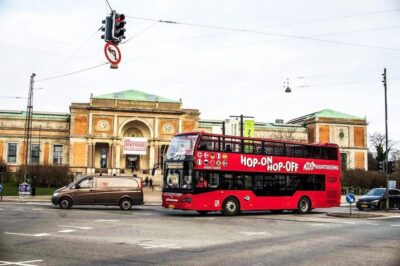
Hop-On Hop-Off Bus Tour with Boat Tour Option
Read our review →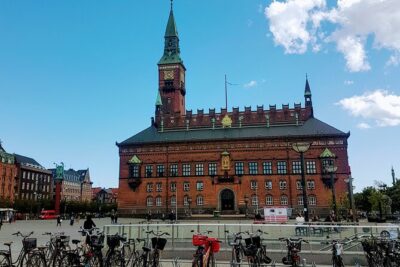

Highlights 3 Hour Bike Tour with a Local Guide
Read our review →
Hamlet and Sweden Tour – Two Countries in one day !
Read our review →