
Review · PHOTOGRAPHY SESSIONS
Copenhagen Photography Masterclass – Private Photography Lesson
Copenhagen rewards a camera at every turn. This private three-hour lesson combines hands-on photography coaching with a walk through canals, palaces, churches, and memorable city views. I like that you are not simply shown landmarks. You are taught how to frame them and shape them into stronger images.
I especially like the choice between a daytime street session and a night session. I also like the private format, since your guide can focus on your camera, confidence, and personal style. The main point to consider is the price, $177.44 per person, which makes the tour a better fit for serious photographers or small groups than for someone seeking only a sightseeing walk.
In This Review
- Key points to know before booking
- What this private Copenhagen photography lesson really offers
- Choose daylight for street scenes and architecture
- Choose night for glowing canals and painterly light
- Nyhavn gives you an easy first lesson
- Rosenborg Castle adds formal composition
- Amalienborg and Marmorkirken create a matched pair
- Christiansborg shifts the mood toward government and city life
- Christianshavn gives you canals and a local feel
- The Opera House offers bold modern lines
- Gammel Strand is a compact city study
- Kastellet closes the route with a different setting
- How much value do you get for $177.44?
- Who will enjoy this more?
- Practical tips for getting better photographs
- Should you book this Copenhagen photo tour?
- FAQ
- How long does the Copenhagen Photography Masterclass last?
- Is the photography lesson private?
- Is the experience offered during the day and at night?
- What locations are included?
- Is a camera included?
- Where does the tour start and finish?
Key points to know before booking
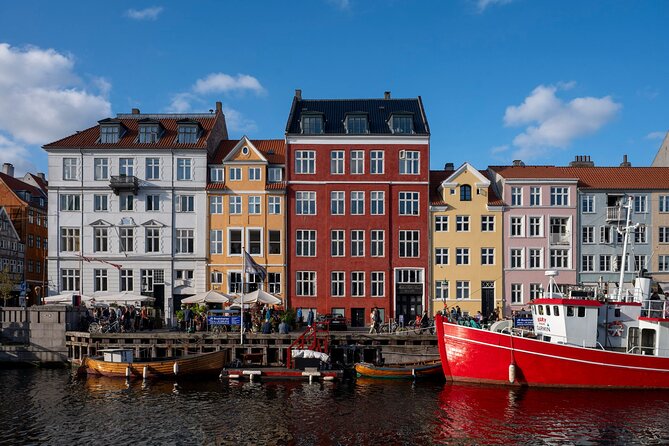
- Two different moods: Choose daylight for street scenes and architecture, or darkness for glowing canals, churches, and monuments.
- Nine Copenhagen photo stops: The route includes Nyhavn, Rosenborg Castle, Amalienborg Palace, Marmorkirken, Christiansborg, Christianshavn, the Opera House, Gammel Strand, and Kastellet.
- Private instruction: Only your group takes part, so the guide can adjust the lesson to your skill level and camera.
- Three hours on foot: You cover a lot of ground, so expect a brisk session rather than a long visit inside each landmark.
- Night photography has a special look: Carefully lit Copenhagen sites can produce images with a soft, painterly feel.
- Bring warm layers after dark: Even a May evening can feel cold, and thin gloves may help while you handle your camera.
What this private Copenhagen photography lesson really offers
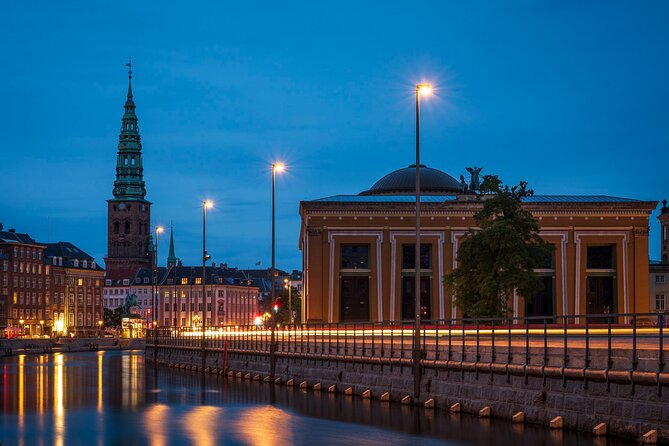
This is part walking tour, part photography workshop. You meet at the Nyhavn Drikkevandsfontæne at Nyhavn 1F, then spend about three hours moving through central Copenhagen and nearby districts. The guide serves as both a local escort and a professional photography teacher.
That combination matters. A standard sightseeing guide may point out a palace or canal, but this experience asks you to decide how the scene should look in a photograph. You can work on composition, light, timing, and personal style while standing in front of the actual subject.
The private format is the strongest practical feature. You do not need to follow another group’s pace or wait while strangers adjust their cameras. If you are a beginner, you can focus on basic camera control without feeling rushed. If you already know your camera, you can spend more time on creative choices.
The session is offered in English. A mobile ticket is accepted, and the meeting point is near public transportation. The activity ends back at the starting point, which keeps the day simple.
A few more Copenhagen outings worth comparing
- Photoshoot around Copenhagen’s Iconic Locations
★ 5.0 · 28 reviews - Instagram tour of Copenhagen with a private photographer
★ 4.9 · 12 reviews - Private Photography Portraits City Activity in Copenhagen
★ 5.0 · 12 reviews
Choose daylight for street scenes and architecture
The day session is the natural choice if you want clear architectural detail, open views, and the daily character of Copenhagen. You will work through a mix of famous sights and ordinary city spaces, giving the lesson more range than a simple postcard stop.
Daylight also gives you more flexibility with camera settings. You can concentrate on framing and decisive moments without first wrestling with long exposures or camera shake. If you are new to photography, this is probably the easier version.
The route includes a great many locations for only three hours. That is useful because you see several sides of Copenhagen, but it also means you should not expect a long, leisurely visit at every stop. The guide will need to keep the group moving, especially if all nine locations are included.
Choose night for glowing canals and painterly light
The night session has a different purpose. Copenhagen’s familiar monuments take on a softer, more dramatic appearance after dark, and the guide focuses on techniques for working with limited light.
The most appealing result is a painterly quality in photographs of classic Copenhagen sites. Reflections, lamps, illuminated facades, and dark areas around the subject can give your pictures a mood that daytime images often lack.
Night photography does require more patience. You may need to hold your camera steady for longer exposures, and the guide can help you make creative choices in that setting. A tripod is available upon request, but you should arrange that before the activity rather than assume one will be waiting.
Dress more warmly than you think you need. A useful tip from the night experience is to bring thin gloves, even in May. Your fingers need enough freedom to operate the camera, but standing outside after sunset can become uncomfortable quickly.
Nyhavn gives you an easy first lesson
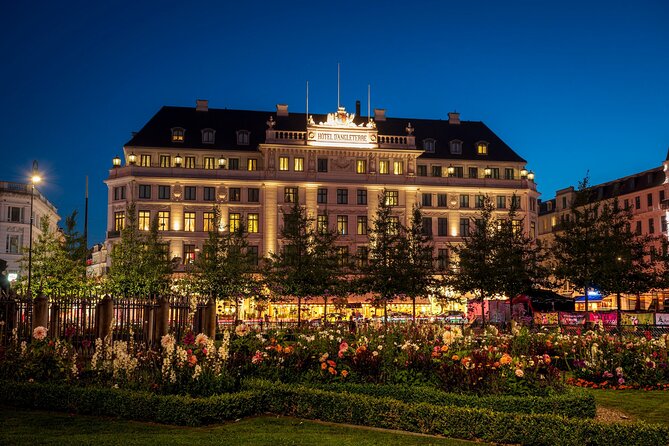
Nyhavn is the starting point and one of Copenhagen’s most recognizable scenes. Its canal, colorful buildings, and busy waterfront provide an immediate exercise in framing.
You can practice deciding how much water, architecture, and sky to include. The location also works well for learning how small changes in position alter the balance of a picture. A private guide can help you move beyond the obvious straight-on view.
Because this is the meeting point, arrive ready to begin. The experience is only about three hours, and time spent looking for the fountain or organizing equipment cuts into the lesson.
Somewhere else in Denmark, for a completely different day:
- Copenhagen Card-Discover: 80+ Attractions & Public Transport
★ 4.6 · 5,351 reviews - Copenhagen: Hop-On Hop-Off Bus Tour with Boat Tour Option
★ 3.9 · 4,122 reviews - Private Walking Grand Tour of Copenhagen
★ 5.0 · 3,953 reviews - From Copenhagen: Lund and Malmö 2-Country Tour
★ 4.7 · 3,807 reviews
Rosenborg Castle adds formal composition
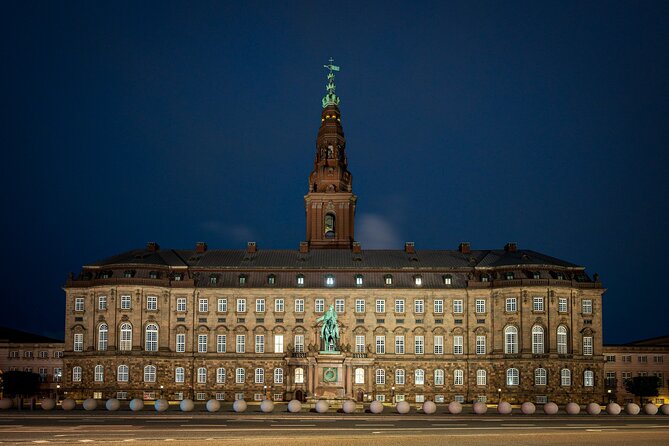
Rosenborg Castle brings a more formal subject into the route. Its strong architectural shape gives you a chance to work with symmetry, lines, and carefully balanced framing.
The contrast with Nyhavn is useful. Instead of a waterfront scene with color and reflections, you can focus on a historic building and the way its details fit inside the frame. Your guide can help you decide whether the castle should fill the image or act as a central anchor surrounded by its setting.
The stop is part of a photography route, not a dedicated museum visit. If you want extensive indoor time at Rosenborg Castle, this lesson may not provide it.
Amalienborg and Marmorkirken create a matched pair
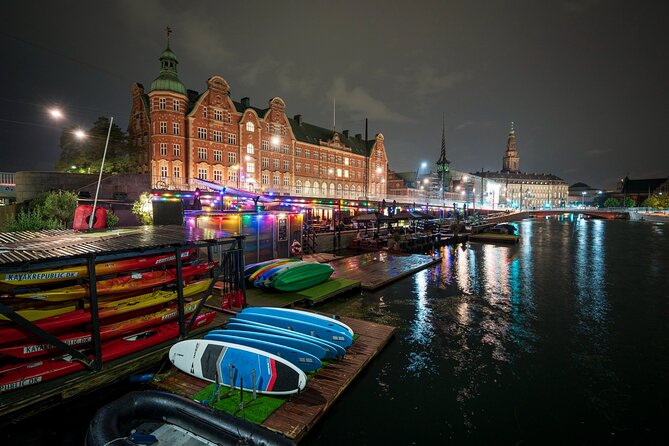
Amalienborg Palace Museum and Frederiks Kirke, better known as Marmorkirken, are included as separate stops. Their close relationship creates a good opportunity to compare different kinds of architectural subjects.
Amalienborg gives you a grand palace setting, while Marmorkirken offers a church facade with its own strong visual character. You can work on scale, perspective, and the challenge of fitting large buildings into a pleasing composition.
These sites are especially useful for photographers who often point a camera at buildings but feel their results look flat. The guide can show you how viewpoint and framing affect the sense of height and space.
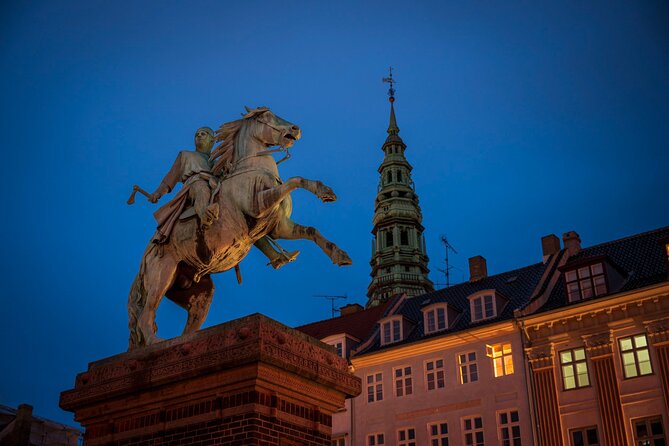
In the night session, lighting becomes part of the lesson. The focus shifts from recording fine daytime detail to managing bright areas, shadow, and the glow around the structures.
Christiansborg shifts the mood toward government and city life
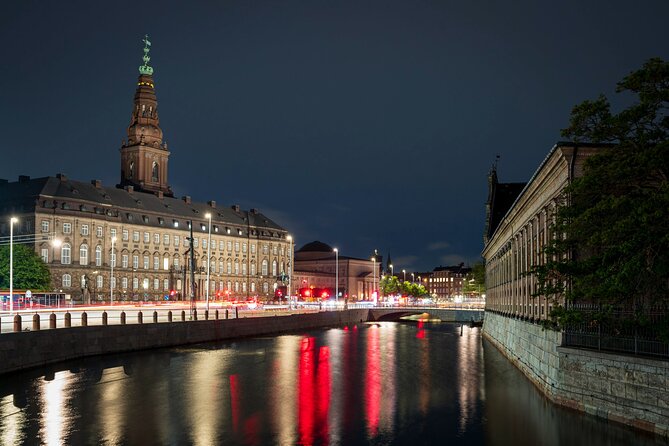
Christiansborg Slot gives the route another major architectural subject. It adds variety to the palace and church scenes, helping you avoid a series of nearly identical building photographs.
This is where the lesson can become more than a checklist of sights. You are moving through different settings and learning to respond to what is in front of you. A good image may depend on a broad view, a detail, or the relationship between the building and the surrounding city.
The route’s pace remains important. With several more stops still ahead, you may spend only as long as needed to work through a specific photographic problem before continuing.
Christianshavn gives you canals and a local feel
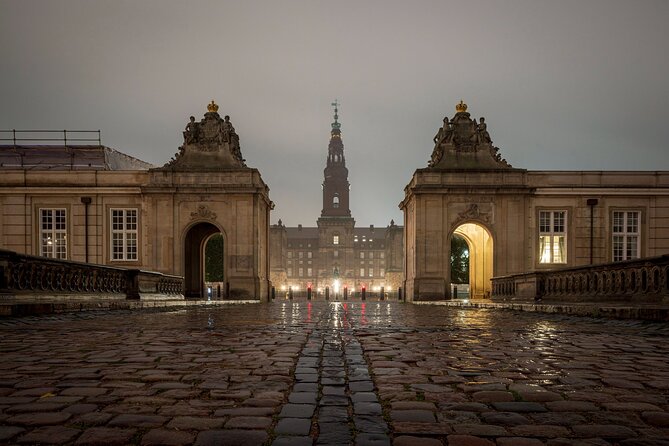
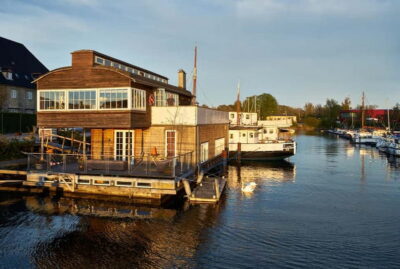
Christianshavns Beboerhus brings the route into Christianshavn, a part of the city associated here with canal scenery and a less formal setting than the palaces.
This stop helps balance the major landmarks. You can look for reflections, lines created by the water, and smaller details that show the character of Copenhagen without relying on a famous facade.
It is also a useful reminder that street photography is not only about monuments. The day session is designed to help you find images in the city as it is, not just reproduce the same view found on a postcard.
For the night session, canal areas can be especially rewarding because artificial light and dark water often work well together. The guide can help you keep bright lights from overwhelming the frame.
The Opera House offers bold modern lines
The Copenhagen Opera House changes the visual language again. Instead of old waterfront buildings or royal architecture, you get a modern structure with broad shapes and a strong presence.
This is a good place to practice photographing large contemporary architecture. You may find yourself working with geometry, negative space, and the relationship between the building and the water.
The inclusion of the Opera House is valuable because it prevents the experience from becoming a tour of only historic Copenhagen. You get a more balanced picture of the city’s architectural range.
Gammel Strand is a compact city study
Gammel Strand is another chance to work with the connection between water, streets, and buildings. It can serve as a practical exercise in finding order within a complex urban view.
The guide’s input is most useful when a scene contains too many possible subjects. You can learn to choose one main idea instead of trying to record everything at once. That is a small change, but it often improves travel photographs more than buying another piece of equipment.
This stop also fits the lesson’s central idea: Copenhagen is not presented only as a collection of sights. The city itself becomes your classroom.
Kastellet closes the route with a different setting
Kastellet is the final listed stop and gives the experience another change of pace. Its setting can encourage broader compositions and a different approach from the dense central streets and waterfront architecture.
By this stage, you will have worked with canals, palaces, churches, a museum setting, modern architecture, and street scenes. That range is one of the main reasons the route is useful for someone trying to develop a personal style.
The activity returns to the Nyhavn meeting point. Since the exact amount of time at each stop is not stated, I would treat the listed locations as a broad route rather than a promise of a long shoot at every one.
How much value do you get for $177.44?
At $177.44 per person, this is not a cheap way to see Copenhagen. You are paying for a private guide, a professional photography guide, and direct instruction over roughly three hours.
The price makes more sense if you place value on personal feedback. A private lesson can save you from spending hours guessing why your photographs look dull, tilted, crowded, or poorly exposed. It can also make sense for a small group that wants to split the attention of one guide, especially since group discounts are available.
The value is weaker if you mainly want sightseeing commentary. You may see important places, but the purpose is to improve your photography rather than spend extended time learning the background of every landmark.
Your own equipment also affects the value. A camera is not included, so you must bring one. A smartphone may be suitable for some photographic exercises, but the supplied information does not promise phone-specific instruction. If you want to use a tripod, request one ahead of time.
Who will enjoy this more?
I would recommend the experience most strongly to:
- Someone who wants direct, private help with photography
- A couple or small group with similar interests
- A beginner who wants to learn in real city settings
- An experienced photographer looking for fresh ideas in Copenhagen
- Anyone choosing a night session for atmospheric images
- A visitor who prefers a focused activity rather than a standard sightseeing tour
It may be less suitable if you want a slow walk, extensive museum time, or a broad historical lecture. Nine listed stops in three hours suggests a focused and fairly active outing.
The tour is private, and most people can participate. Service animals are allowed, and the meeting point is near public transportation. Still, you should be comfortable moving between several city locations during the session.
Practical tips for getting better photographs
Bring the camera you actually know how to use. A private lesson is most useful when you can spend time making pictures rather than learning unfamiliar equipment from scratch.
For the day session, think about the kind of images you want before meeting the guide. You might focus on architecture, street scenes, canals, or a mixture. A clear aim helps the guide tailor the three hours to you.
For the night session, bring thin gloves and warm layers. The published experience specifically notes that Copenhagen can feel cold after dark, even in May. Request a tripod if you need one, and do so before the tour.
Keep your expectations realistic about the itinerary. The route covers a substantial number of places, so the experience is likely to give you a series of short photography exercises rather than one long shoot in a single neighborhood.
Free cancellation is available if you cancel at least 24 hours before the local start time. Changes or cancellations made later are not accepted for a refund.
Should you book this Copenhagen photo tour?
Book it if photography is central to your Copenhagen plans. The private format, professional guide, choice of day or night, and broad route give you more than a sightseeing stroll. The night option is especially appealing if you want soft, glowing images of the city and are willing to dress for the cold.
Skip it if you mainly want an inexpensive introduction to the sights. At $177.44 per person, the value depends on using the instruction. Bring a camera, prepare to move, and ask for a tripod if needed. For a photographer who wants personal coaching and a thoughtful look at Copenhagen’s canals and architecture, this can be money well spent.
FAQ
How long does the Copenhagen Photography Masterclass last?
The private photography lesson lasts approximately three hours.
Is the photography lesson private?
Yes. Only your group participates in the private tour or activity.
Is the experience offered during the day and at night?
Yes. You can choose a Copenhagen Street Photo session during the day or a Copenhagen Night Photo session after dark.
What locations are included?
The route includes Nyhavn, Rosenborg Castle, Amalienborg Palace Museum, Frederiks Kirke, Christiansborg Slot, Christianshavns Beboerhus, the Copenhagen Opera House, Gammel Strand, and Kastellet.
Is a camera included?
No. You need to bring your own camera. A tripod is available upon request.
Where does the tour start and finish?
The activity starts at the Nyhavn Drikkevandsfontæne, Nyhavn 1F, 1050 København, Denmark, and ends back at the meeting point.
Newest around Copenhagen
- WWII Copenhagen Nyhavn and War Museum Private Walking Tour★ 5.0 · 2 reviews
- Half Day Exploration of Helsingør and Kronborg★ 3.5 · 3 reviews
- Helsingør Castle and Historic City Self-Guided Walking Tour★ 4.0 · 4 reviews
- Full-Day Tour; Castle, Palace & Cathedral, Winter(JAN-MAR)★ 5.0 · 11 reviews
- walking tour – Copenhagen and Christiansborg 3 hours★ 4.0 · 7 reviews
- Copenhagen Walking Tour with Food Testing (smorrebrod dish & snap)★ 4.5 · 10 reviews
- The Philosopher’s Last Walk: An audio tour on the life of Søren Kierkegaard★ 4.5 · 5 reviews
- The Forgotten Giants Private Tour★ 5.0 · 3 reviews
Photography Sessions, compared.
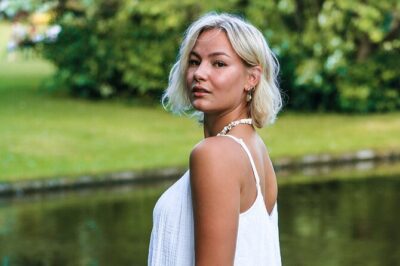
Photoshoot around Copenhagen’s Iconic Locations
Read our review →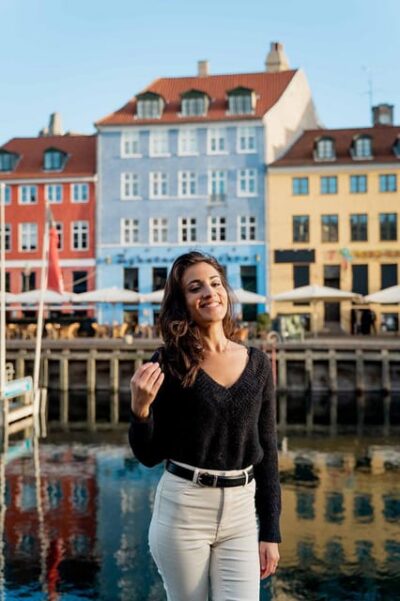
Instagram tour of Copenhagen with a private photographer
Read our review →
Private Photography Portraits City Activity in Copenhagen
Read our review →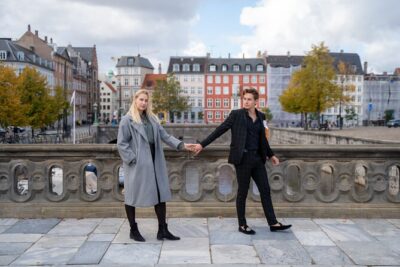
Photo Shoot in Copenhagen with a Personal Photographer
Read our review →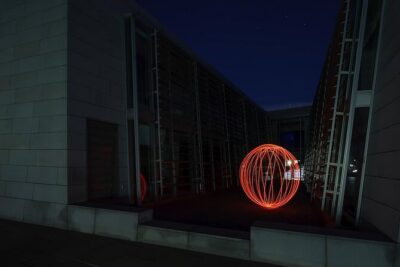
Browse the lists this tour appears in